When visitors step onto the pavement outside Heathrow or Gatwick, the immediate sensory shift—the distinct smell of damp exhaust mixed with centuries of settled dust—is quickly followed by a brutal financial reality. London operates as a masterclass in wealth extraction. The British capital consistently ranks among the top five most expensive tourist cities globally, driven by relentless post-pandemic inflation and real estate premiums that dictate the price of everything from a pint of bitter to a mattress in a shared dormitory. Yet, data circulating among budget travel analysts reveals a fracture in this pricing monolith. A strictly calibrated five-day immersion can be executed for under $1,200, omitting airfare. This figure requires abandoning the traditional tourist playbook entirely. The survival of a traveler’s budget hinges not on sheer deprivation, but on an acute understanding of how the city’s urban design and digital infrastructure can be manipulated.
Numbers tell the story with cold precision. Spending five days in London typically drains bank accounts at a rate of $350 per day for the unprepared. The $1,200 benchmark cuts this daily burn rate nearly in half. Achieving this requires structural shifts in accommodation logistics, transport routing, and cultural consumption. The financial restructuring relies on three core tactical diversions:
- Spatial Displacement: Moving lodging targets from Zone 1 to outer boroughs.
- Transit Capping: Exploiting municipal daily limits on underground movement.
- Cultural Arbitrage: Replacing commercial entertainment with state-subsidized archives.
The economic architecture of the city punishes convenience. Staying in Zone 1—the historical and political epicenter—guarantees a 40 percent markup on lodging. The alternative lies in the city’s outer rings.
The Geography of Cost
Finding shelter in London forces a geographic compromise. The traditional focal points of Covent Garden, Mayfair, and Soho rely on their proximity to theaters and monuments to justify extortionate nightly rates. Visitors who anchor themselves here pay primarily for geography, sleep in cramped Georgian conversions, and face the constant friction of premium pricing at every neighborhood threshold. By pushing the radius outward toward neighborhoods like Shoreditch or Camden, accommodation rates drop by up to 30 percent. This spatial shift alters the entire texture of the trip.
Shoreditch offers converted industrial spaces where bare brick and exposed steel dominate boutique hostels and short-term rentals. The neighborhood hums with a specific frequency—a blend of tech-sector affluence and residual artistic grit. Camden delivers a different aesthetic, defined by crowded canal paths and the lingering shadows of its punk-rock history. Selecting these areas is not merely an economic defense mechanism; it dictates the daily rhythm of the traveler. Waking up in Hackney or Camden forces visitors to engage with the city’s commuting class rather than its transient tourist population. (Frankly, isolation in tourist bubbles ruins the very purpose of travel.)
“Design shapes behavior.” When a traveler resides in a neighborhood built for residents, their consumption patterns naturally align with local economic realities. Coffee comes from independent roasters tucked under railway arches rather than global chains charging a premium for a view of Piccadilly Circus. The savings compound rapidly over a five-day timeline.
The Mechanics of Movement
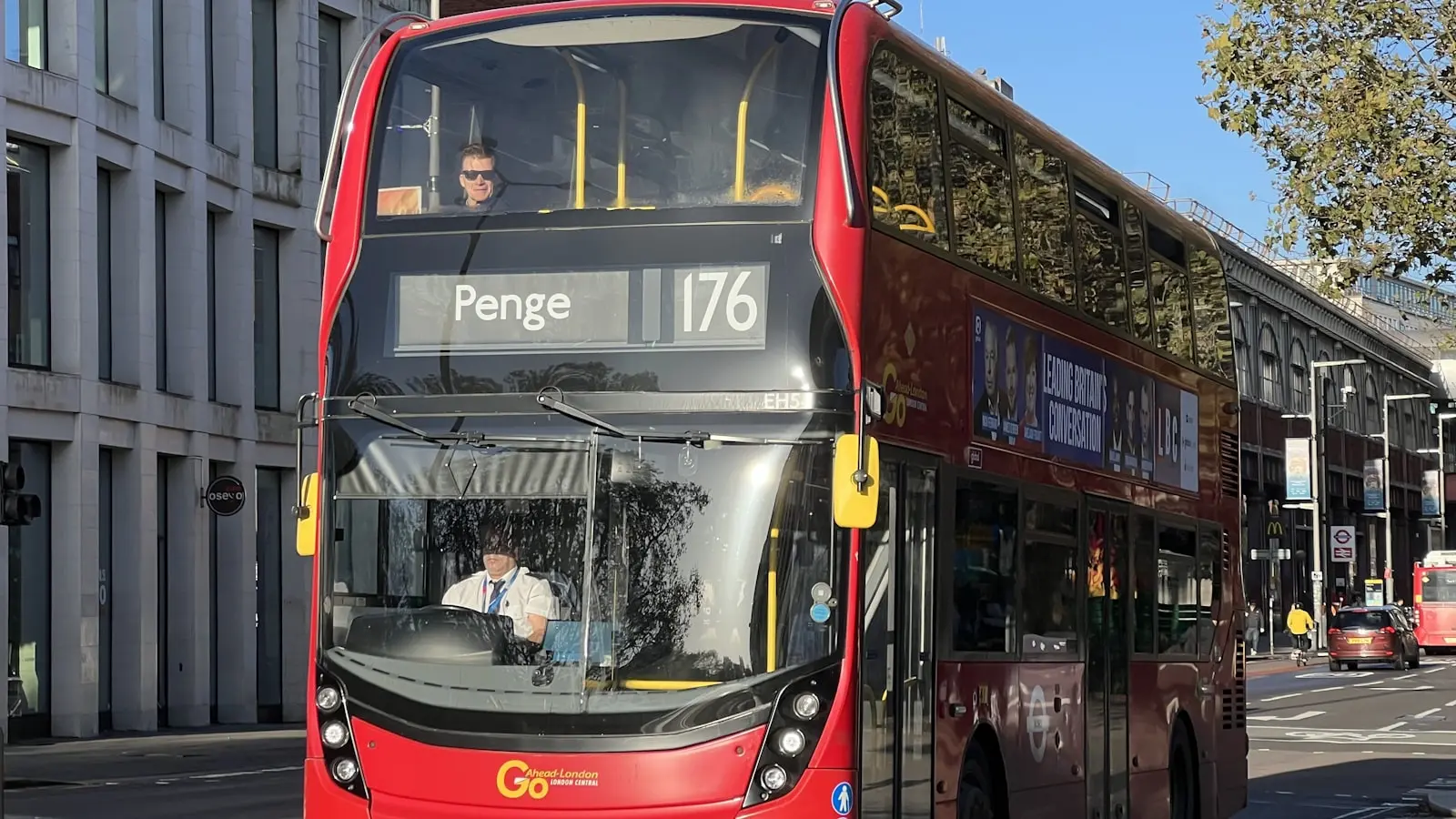
London’s sprawling geography makes isolation impossible and movement mandatory. The sheer scale of the metropolis threatens to bleed a budget dry through incremental ticketing. However, the transport network features a built-in economic ceiling designed to protect regular commuters, which travelers can exploit. The Transport for London (TfL) digital infrastructure relies on a daily pay-as-you-go cap via the Oyster card or contactless payment systems.
Currently, navigating within the central zones maxes out at approximately 8.50 pounds per day. Once that threshold is crossed, the turnstiles open without deducting further funds. The physical reality of the Tube—the rush of warm, stale air pushed through Victorian tunnels, the mechanized screech of metal on metal as trains curve into stations—becomes a subsidized experience after the morning transit.
Understanding this daily cap shifts psychological boundaries. Travelers no longer need to ration their movement. A morning spent walking the damp, gray pavements of the South Bank can instantly pivot to an afternoon exploring the leafy, affluent streets of Notting Hill without triggering financial anxiety. The contactless tap system removes the friction of physical ticketing, turning the city’s vast subterranean network into a frictionless conveyor belt. (Efficiency rarely feels this liberating.) The transport cap operates as a fixed utility cost rather than a variable luxury expense, ensuring that the budget remains strictly anchored.
Calibrating Consumption
Food presents the most volatile variable in the five-day equation. Dining in high-density tourist areas operates as a financial trap. Establishments surrounding the West End and Leicester Square engineer their menus to extract maximum value from a captive audience waiting for theater curtains to rise. The prices reflect real estate costs rather than culinary craftsmanship.
Evading this trap requires shifting focus to London’s decentralized market culture. The texture of eating in the city changes when visitors prioritize environments designed around volume and variety. Borough Market, despite its surging popularity, still offers tactile, sensory-rich meals—charred scallops cooked over open flames, slow-roasted pork shoulder layered with sharp apple sauce—for a fraction of a restaurant bill. Further east, Broadway Market or the street food installations at Seven Dials allow travelers to consume high-level culinary craftsmanship without the overhead of table service.
Analysts track a distinct correlation between dining geography and overall satisfaction. Those who source their meals from neighborhood pubs hidden in residential backstreets or community-driven food halls consistently report a deeper connection to the city’s modern identity. The budget mandates this shift, but the resulting experience transcends the financial limitation. Instead of sitting in velvet-lined dining rooms paying for the privilege of a postcode, visitors stand shoulder-to-shoulder with the local workforce, consuming complex flavors out of cardboard containers while rain streaks the glass facades of surrounding office towers. Value replaces prestige.
The Cultural Subsidy
The ultimate counterbalance to London’s staggering cost of living lies in its institutional philosophy. The city offsets its high commercial prices with a massive cultural subsidy. Free entry to the world’s most formidable archives of human history and modern art remains standard protocol. This civic decision transforms the economic viability of a five-day visit.
The Tate Modern stands on the southern bank of the Thames, an imposing brutalist monolith of dark brick and sheer glass. Stepping into the Turbine Hall, visitors are confronted with massive spatial voids and monumental installations. The British Museum offers a radically different atmosphere, its neoclassical columns giving way to the dizzying geometry of the Great Court’s glass roof. Wandering through halls lined with Assyrian reliefs or Egyptian sarcophagi requires zero financial output.
This density of free cultural attractions allows travelers to allocate their capital elsewhere. If a museum ticket costs nothing, the budget opens up for a specialized architectural walking tour, a ticket to a fringe theater production, or a meticulously crafted cocktail in a basement speakeasy. The math works because the city absorbs the cost of its own cultural heritage. (Other global capitals should take notes.)
Structuring a five-day itinerary under $1,200 demands rigid discipline. It requires bypassing the sanitized, heavily marketed version of the city in favor of its functional, residential layers. The traveler must navigate the transport grid like a commuter, secure lodging in post-industrial or fringe neighborhoods, and consume culture where the state subsidizes the entry fee. The resulting trip strips away the artificial gloss of mass tourism. What remains is a raw, sensory engagement with a metropolis that continues to shape global taste—an immersion into the actual mechanics of London life.