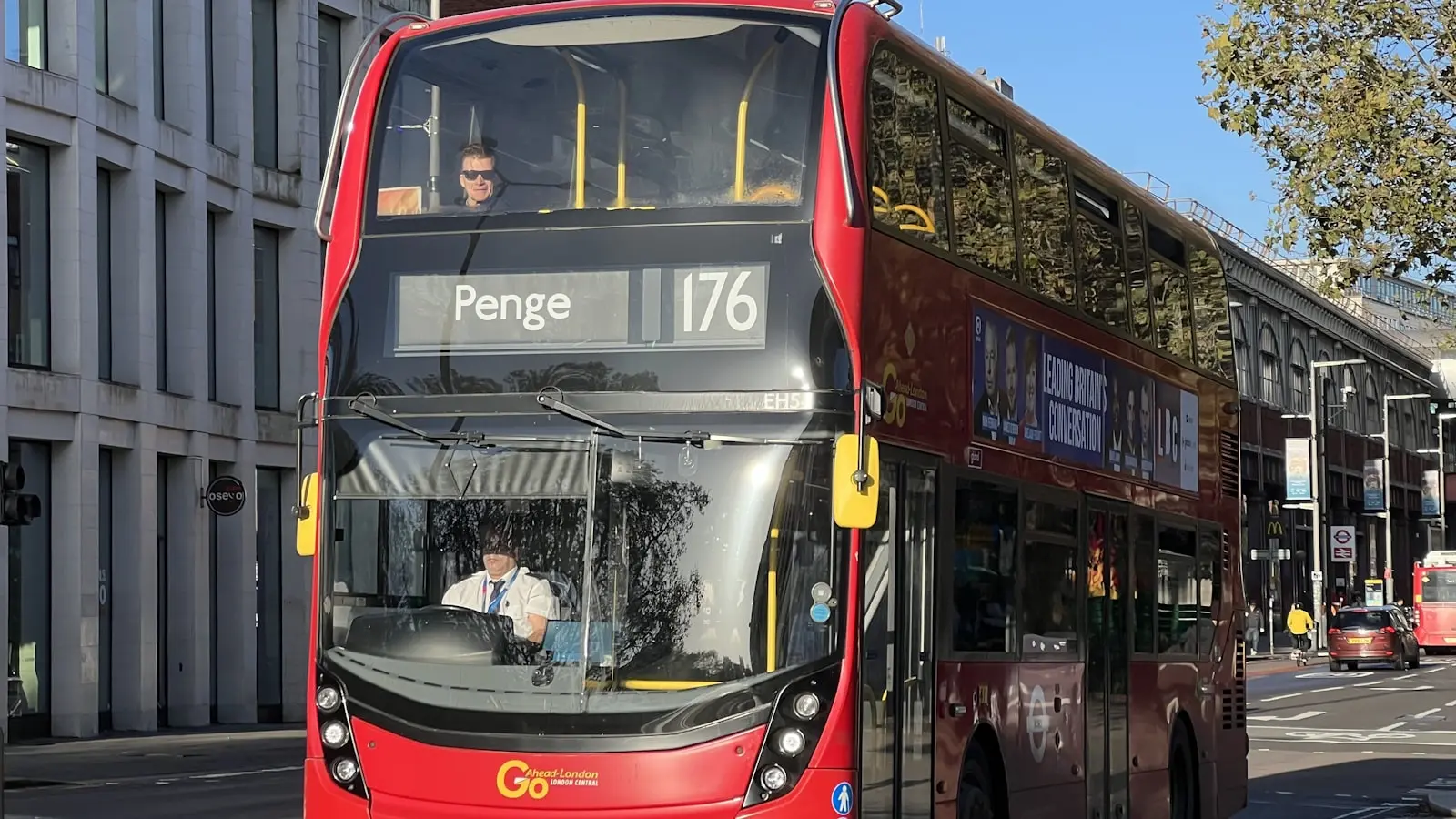
Global capital flows directly through London’s infrastructure, and the casual traveler immediately absorbs this friction upon arrival. A five-day itinerary in the British capital now demands aggressive financial modeling. Post-pandemic inflation and unyielding currency exchange rates have fundamentally dismantled the concept of the spontaneous European weekend. (The era of the unbudgeted layover ended years ago). When tourists drag hardshell luggage across the uneven pavement of Zone 1, they carry the weight of an economic shift. The city demands capital upfront. The baseline cost of existing within the M25 orbital motorway has accelerated, forcing visitors to execute highly disciplined resource allocation to survive a standard five-day duration without draining emergency liquidity reserves.
The Spatial Economics of Accommodation
Space dictates behavior, and London monetizes space with ruthless efficiency. Industry analysts consistently track mid-range hotel stock hovering above £200 per night. At five days, lodging instantly consumes a four-figure baseline before a single meal is purchased or a gallery is visited. This spatial reality shapes the entire vacation architecture. Visitors purchase small geometric cubes—often carved out of aging Victorian terraces—simply to store their bodies while the city extracts wealth outside. The physical dimensions of these £200-a-night rooms rarely allow for relaxation. They function purely as utilitarian staging grounds.
To manage this liquidity drain, financial planning dictates sacrificing square footage for geographical proximity to transit hubs. If a traveler books a room entirely outside the central transport zones to save upfront capital, the subsequent loss of time and transport efficiency immediately negates the discount. The commute siphons both hours and stamina. (The math rarely forgives a poor geographic choice). Recognizing this constraint forces the traveler to accept high upfront accommodation costs as a rigid, non-negotiable anchor around which the rest of the itinerary must pivot.
Subterranean Movement and Transit Caps
Movement across the capital relies entirely on subterranean infrastructure. The contactless payment system and the legacy Oyster card operate as the absolute financial gatekeepers to the city. Urban engineers designed the daily fare cap to incentivize local commuter movement, yet it currently serves as the strongest fiscal shield for incoming tourists. Tapping a smartphone or a piece of plastic against a yellow reader at a Tube turnstile registers an instantaneous micro-transaction. Once a traveler hits the localized daily cap, subsequent travel accrues zero marginal cost. Capital stops bleeding.
When riders watch the red barrier gates snap open, they participate in an interconnected network that moves millions beneath the damp concrete. The subterranean environment dictates an accelerated walking pace, forcing tourists to adopt the aggressive rhythm of the local workforce. Hesitation causes bottlenecks. (The system punishes delay). Mastering this capped transit matrix allows a visitor to traverse from the brutalist concrete of the Barbican estate to the manicured, stucco-fronted squares of Kensington without leaking unpredictable capital. The physical act of swiping through turnstiles maps the boundaries of the traveler’s financial territory.
Caloric Arbitrage and Geographic Discipline
Sustenance in a global financial hub requires strict geographic discipline. Leicester Square and the immediate West End operate as high-yield extraction zones. Neon signage and dense foot traffic mask the reality of the transaction. Here, hospitality conglomerates serve highly standardized plates at steep premiums to captive audiences. Financial travel models strictly advise avoiding these coordinates for sustenance. Resource allocation instead pushes travelers toward two divergent realities: the historic street market and the commercial meal deal.
Borough Market sits beneath massive railway viaducts, representing a dense convergence of commerce and sensory volume. Steam violently erupts from heavy iron flat-top grills. Artisans exchange cured meats and sharp cheeses for digital payments. The transaction feels grounded in history, yet completely tethered to modern pricing dynamics. The physical weight of a roasted pork sandwich handed over a wooden counter carries a specific cultural weight. (Quality commands a premium, but the capital remains visible on the plate).
Conversely, the British supermarket meal deal represents peak caloric arbitrage. For a fraction of a restaurant bill, consumers extract a pre-packaged sandwich, a side, and a beverage. This transaction strips away atmosphere in favor of absolute efficiency. The packaging crinkles under harsh fluorescent lighting. Eating a plastic-wrapped cheddar and pickle sandwich on a damp wooden bench overlooking the Thames forcefully integrates the traveler into the daily rhythm of the London workforce. It is an exercise in pure function over form.
The Subsidy of Institutional Culture
The economic paradox of London lies within its cultural institutions. While the city extracts wealth through accommodation and food, it heavily subsidizes visual and historical consumption. The British Museum and the Tate Modern hold vast reserves of global heritage and contemporary design, demanding absolutely zero admission fee at the threshold. A five-day itinerary heavily leverages this structural anomaly.
Entering the Turbine Hall at the Tate Modern involves walking down a massive concrete ramp into a cavernous industrial void. The architecture forces an immediate perspective shift. The visitor physically shrinks against the industrial scale. Absorbing this environment requires time, not capital. Frugal travel networks frequently highlight this specific dynamic. A traveler can construct an entire five-day schedule anchored exclusively around these imposing structures. The neoclassical columns of the British Museum dictate a slow, deliberate march through human history. The curation directs the eye; the architecture shapes the footfall.
Navigating between centuries of human craftsmanship without executing a single financial transaction disrupts the standard tourist consumption model. (The contrast between a £200 hotel room and a free afternoon studying the Rosetta Stone underscores the city’s uneven economic landscape).
The Closed Economic System
Executing a five-day stay requires treating the city as a closed economic system. Accommodation forms the unyielding fixed cost. Transit operates under a strictly capped variable model. Sustenance requires geographic evasion of tourist traps. Culture provides the free margin that balances the ledger. By understanding the mechanical flow of capital across these four sectors, a visitor navigates London not as a passive consumer, but as an active participant in its complex financial architecture. Design shapes the movement. Economics dictate the limits.