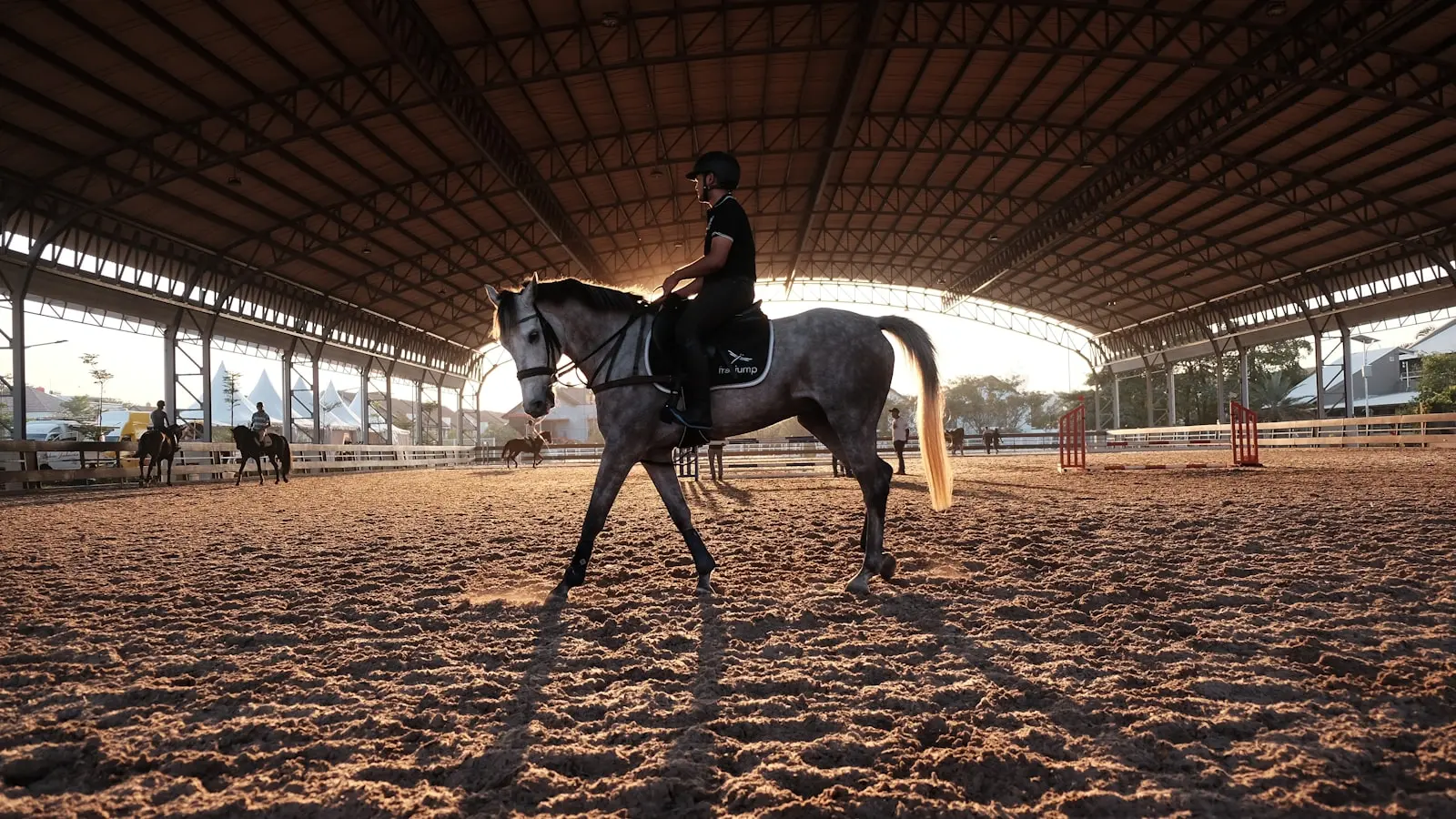
You can experience ranch life like Yellowstone without moving to Montana by booking a stay at a guest ranch or working cattle ranch near the show’s filming locations. These ranches offer horseback riding, cattle work, and the wide-open landscapes you see on screen. The key is choosing the right type of experience for your comfort level, budget, and time.
Key Takeaways
- Choose between luxury dude ranches (comfort, all-inclusive) and working guest ranches (authenticity, physical work) based on your priorities.
- Book 6 to 12 months in advance for peak summer season; consider May or October for lower rates and fewer crowds.
- No prior horseback riding experience is required — ranches match horses to skill levels and provide instruction.
- Expect to spend $200 to $500 per person per night, covering lodging, meals, and most activities; confirm what is included.
- If travel to Montana is not possible, explore local farm stays, day clinics, or virtual ranch experiences.
Understanding the Different Types of Ranch Experiences
Not all ranch stays are the same. The choice comes down to how much authenticity you want versus how much polish you expect.
Luxury dude ranches are all-inclusive resorts with guided activities, fine dining, and comfortable lodging. They offer a curated western experience without the grit. Activities include trail rides, fly fishing, and evening entertainment. The trade-off is that you observe ranch life more than you live it.
Working guest ranches let you participate in real cattle operations — herding, branding, mending fences. The accommodations are more rustic, and the schedule follows the ranch’s needs rather than a guest itinerary. You get a genuine taste of the hard work, but you may sacrifice hot showers and gourmet meals.
Day visits and short tours are an option if you cannot commit to a full stay. Many ranches near Yellowstone offer single-day trail rides, cattle sorting clinics, or wagon dinners. These give you a snapshot without the multi-day commitment.
Volunteer programs, like those found through farm-stay networks, allow you to work in exchange for room and board. This is the most immersive and least expensive path, but it requires physical stamina and flexibility.
The trade-offs are clear: authenticity often comes with less comfort, and all-inclusive ease may feel staged. Decide what matters more before booking.
Top Guest Ranches Near Yellowstone for an Authentic Cowboy Experience
Several ranches in Montana and Wyoming are well-known for providing an experience that echoes the Yellowstone series. They have been operating for decades and are members of the Dude Ranchers’ Association or similar reputable directories.
Chief Joseph Ranch in Darby, Montana, is the actual exterior backdrop for the Dutton family home. It offers historic cabins, trail rides, and working ranch tours. Reservations typically run from March through August. It is a working ranch, so you will be part of daily operations, not just a guest.
Mountain Sky Guest Ranch near Emigrant, Montana, combines cattle work with white-water rafting on the Yellowstone River and gourmet dining. It is a full-service dude ranch where you can ride horses in the morning and enjoy chef-prepared meals in the evening.
Elkhorn Ranch sits just one mile north of Yellowstone National Park. It emphasizes horseback riding into the rugged Montana backcountry and has a strong kids’ program. The ranch has been family-owned for over a century.
Covered Wagon Ranch, three miles from the northwest corner of Yellowstone, is one of the oldest continuously operating guest ranches. It focuses on family traditions and return visitors. The setting is rustic and quiet.
Nine Quarter Circle Ranch in Montana has been under the same family ownership for 80 years. They offer specialty weeks, horseback riding, and fly fishing. Their summer season is the busiest.
These ranches are not theme parks. They are working properties where the land and livestock come first. Do not expect scripted drama or air-conditioned lounges.
What a Typical Day Looks Like: Activities, Accommodation, and Meals
A typical day at a guest ranch starts early. Morning rides or cattle work begin around 8 a.m. You might sort cattle, check fences, or ride out to a high meadow. Lunch is often served family-style.
Afternoons are flexible. You can go fly fishing, hike, take a guided trip into Yellowstone, or try white-water rafting. Some ranches offer kids’ programs so adults can have free time.
Evenings center on communal dinners, campfires, and stargazing. Many ranches discourage television and Wi-Fi to encourage disconnecting.
Accommodation varies from private log cabins with full baths to lodge rooms with shared facilities. Most are clean and comfortable but not luxurious. Expect Western decor, wood stoves, and screened porches.
Meals are hearty — steak, beans, fresh bread, vegetables. Some ranches like Mountain Sky employ gourmet chefs, but most serve straightforward ranch fare. Dietary restrictions can usually be accommodated with advance notice.
The pace is slower than a typical vacation. You will likely wake early, work or ride until mid-afternoon, then relax. It is not a resort, and the work is real.
Costs and Seasonal Planning
A ranch vacation is not cheap. Average nightly rates range from $200 to $500 per person. This usually includes lodging, all meals, and most activities. The exact price depends on the ranch, the season, and the level of luxury.
Peak season runs from June through September. Rates are highest, and popular ranches book up six to twelve months in advance. Shoulder seasons — May and October — offer lower rates and fewer crowds, but the weather is cooler and some activities may be limited.
Additional costs to budget for include tips for staff, alcoholic beverages, special excursions like helicopter tours, and transportation to the ranch. Most ranches are remote, so you will need a rental car or airport shuttle.
All-inclusive packages can be a good value because they reduce surprise expenses. Always confirm what is covered before you pay. Some ranches charge extra for premium activities like white-water rafting.
Book early and be flexible with dates. Cancellations do happen, but last-minute availability is rare at top ranches.
How to Prepare Physically and Mentally for Your Ranch Stay
No prior horse riding experience is necessary. Ranches assess your skill level and assign a suitable horse. They provide basic instruction before any ride. Even beginners can join trail rides and cattle drives if they listen to the wranglers.
Physical readiness does not require marathon training. You need to be comfortable walking over uneven ground, mounting and dismounting a horse, and spending several hours outdoors. A reasonable level of fitness helps, but most people can handle the demands.
Packing is straightforward. Bring cowboy boots or sturdy riding boots with a low heel. Jeans, long-sleeved shirts, a wide-brimmed hat, and layers for cool mornings are essential. Sunscreen, insect repellent, and a reusable water bottle are non-negotiable.
Safety is taken seriously. Wranglers give clear instructions, and helmets are often provided and recommended. Stay behind horses, never run near them, and keep your voice calm. Listen more than you talk.
Mentally, prepare for hard work and dirt. Ranch life involves early mornings, physical labor, and simple living. Romantic imagery from the show omits the mud, smell, and exhaustion. Embrace the reality, and you will leave with genuine appreciation.
Alternatives If You Cannot Travel to Montana
If a trip to Montana is not feasible, there are other ways to get a taste of ranch life.
Local farm stays or ranch experiences exist in many states. Search for working farms that offer day visits, trail rides, or farm-to-table dinners. You may not get the Yellowstone backdrop, but you will experience a similar pace of life.
Day-long cattle drives or horse clinics are offered at guest ranches across the West. These require only a few hours and can be combined with a weekend drive.
Virtual ranch experiences are growing. Some ranches live-stream cattle sorting, offer online cooking classes, or host storytelling sessions. These provide a window into daily operations without leaving home.
If you live near a national forest or state park with horse rentals, you can arrange a trail ride and camp overnight. It is not the same as staying on a working ranch, but it scratches the itch.
Read books or watch documentaries about ranch life. They give context and appreciation for the skills and challenges shown on Yellowstone.
Frequently Asked Questions
Can I visit the actual ranch where Yellowstone is filmed?
Yes. Chief Joseph Ranch in Darby, Montana, serves as the exterior location for the Dutton family home. It offers guest stays from March through August. The interior scenes are filmed on soundstages, so the guest experience focuses on ranch activities, not set tours.
Do I need any horse riding experience to visit a dude ranch?
No. Most guest ranches welcome beginners and provide gentle horses, instruction, and guided rides. They match horses to each rider’s skill level. Working cattle ranches may require basic riding ability, so check ahead.
What is the difference between a dude ranch and a working cattle ranch?
A dude ranch is a hospitality business that offers structured activities and comfort. A working cattle ranch runs livestock and may accept a few guests who want to participate in real ranch work like branding and herding. The latter is more immersive but less polished.