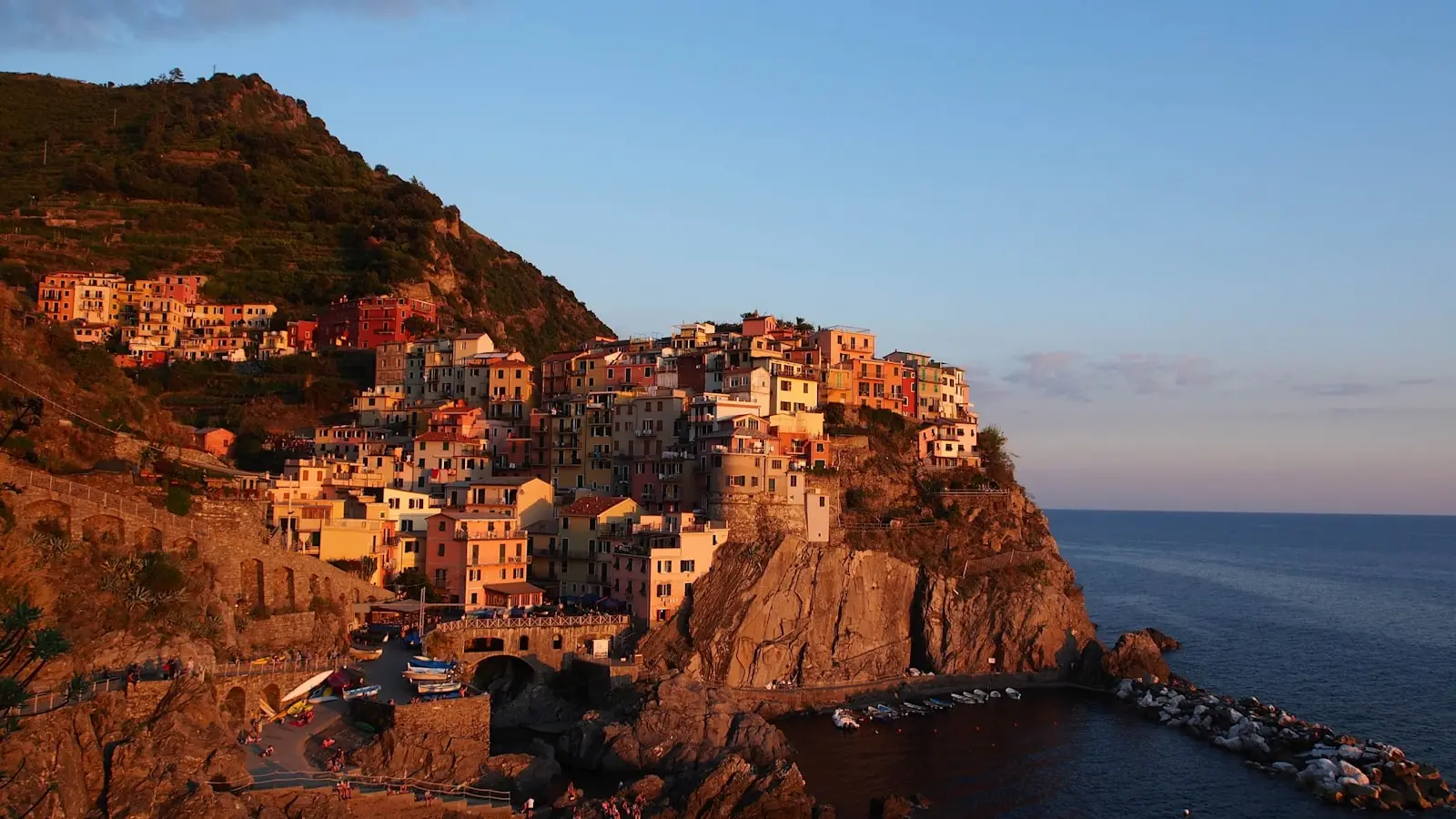
A Reddit user posted a quiet bombshell in r/travel last week: hiking the Cinque Terre trail from Monterosso al Mare to Riomaggiore in December delivered sunny skies, pleasant walking temperatures, and virtually no crowds. The poster admitted initial hesitation about the season. (Who wouldn’t hesitate when summer brochures show shoulder-to-shoulder queues?) But the reality contradicted every expectation. The iconic coastal path, a ribbon of stone and mortar clamped to the Ligurian cliffs, was empty enough to hear the wind slide through terraced olive groves. The villages themselves seemed to exhale.
The data confirms what the anecdote suggests. Cinque Terre, a UNESCO World Heritage site, draws over 2.5 million visitors annually, most between June and August. The five villages—Monterosso, Vernazza, Corniglia, Manarola, and Riomaggiore—are connected by a 12-kilometer trail system that in summer becomes a sweaty migration. Temperatures in July average 30°C, humidity clings, and the narrow path bottlenecks at every turn. Queues for the ferry and train stretch for an hour. (Is this really the Italian Riviera, or an amusement park?) Locals long ago retreated into side alleys and shuttered their ground-floor windows. The heat drives everyone into the gelato lines.
December flips the script. The sun sits lower, casting long shadows across the pastel facades. The air smells of salt and woodsmoke rather than sunscreen and fried dough. A light jacket and a scarf suffice for the morning start; by midday, sleeves roll up. The Reddit user reported a walking experience that felt like a private tour: empty switchbacks, undisturbed views of the Ligurian Sea, and the chance to linger over a plate of trofie al pesto without a waiter hovering for the next seated party.
But the off-season comes with trade-offs. The thread filled with supporting voices, echoing the same advice: layer clothing, book accommodation weeks in advance (even in December, the good rooms go fast), and accept that some restaurants and souvenir stalls shutter their doors until March. The ferry service reduces to a skeleton schedule. The trail itself may see maintenance closures after storms. (One commenter noted that the section between Corniglia and Manarola was closed for repairs last December.) The trick is to treat December hiking as a negotiation with the elements, not a guarantee.
The emotional architecture of the place shifts in winter. Summer visitors experience Cinque Terre as a backdrop for selfies: the villages become stage sets, the trail a conveyor belt. December visitors, by contrast, encounter the towns as functioning communities. In Vernazza, the baker opens at 6:30 a.m. for the locals, and the focaccia comes out of the oven in waves. In Manarola, the fishermen repair nets on the pier without an audience. The color palette of the houses—mustard, salmon, ochre, coral—feels less like a postcard and more like a natural response to the cliffs: each hue chosen to absorb or reflect the winter light. (The Ligurian sun in December is a pale gold, not the white glare of July.)
The trail itself is a feat of design shaped by necessity. The Cinque Terre path was not built for tourism. It was a mule track, then a lifeline between villages that could only be reached by sea. The stone steps were laid by hand, the retaining walls dry-stacked without mortar. In winter, the moss grows greener, the lichen patterns more intricate. Walkers who slow down notice the craftsmanship embedded in every switchback: the drainage channels carved into rock, the flagstones worn smooth by centuries of use. Summer crowds obscure this detail. December lets you see the bones.
The food also changes. Summer menus lean toward cold seafood salads and granita. December calls for minestrone, stoccafisso (dried cod stew), and the local red wine from the hills above the trail. The pesto, made with basil that struggles in the damp cold, is still excellent—but now it arrives with a side of explanation from the cook about how the weather affects the leaves. (Seasonal eating is not a trend here; it’s the only option.)
A practical note for the December hiker: the trail opens at dawn and closes at dusk, but the shorter days mean you can cover the full length in one day without rushing, provided you start early. The segment from Monterosso to Vernazza takes about 90 minutes at a steady pace; from Vernazza to Corniglia, the steepest part, requires sturdy shoes and a water bottle. (The Reddit user recommended trekking poles for the descent into Corniglia.) The train station in Riomaggiore has a luggage storage service for those who want to walk one-way without carrying a pack.
The broader lesson from this Reddit thread is not specific to Cinque Terre. It is about the value of traveling against the grain. The same mechanism that makes December quiet—colder weather, shorter daylight, higher chance of rain—also creates the conditions for immersion. The crowd is not just a nuisance; it is a force that reshapes a place. When the crowd disappears, the place returns to its native rhythm. The architecture stops performing and starts functioning. The food stops being a commodity and becomes a conversation.
Cinque Terre in December is not for everyone. (If you need warm sea swimming or nightlife, wait until June.) But for the traveler who walks for the texture of a place, the empty trail is a gift. The Reddit user ended their post with one sentence: “I had the whole path to myself at some points.” That sentence, read by thousands, is already shifting search queries and booking patterns. The question was never whether December is good enough; it was whether the traveler is willing to trade comfort for encounter. The trail, silent and worn, waits.