A two-week trip to Romania typically costs between €490 and €2,520 per person, depending on travel style, season, and choices. Budget travelers spending around €35–€55 per day can get by on the lower end, while mid-range and comfortable travelers will pay more. The country remains affordable compared to Western Europe, but costs vary significantly by region and season. Understanding where your money goes — accommodation, food, transport, and attractions — is the key to building a realistic budget and avoiding surprises.
Key Takeaways
- A two-week trip to Romania costs €490–€770 for budget travelers, €980–€1,540 for mid-range, and €1,680–€2,520 for comfortable travel (per person).
- Accommodation is the biggest expense, but staying 10–15 minutes outside city centers can cut costs by 30–40%.
- Set lunch menus (Meniul Zilei) cost €5–€10 and are the cheapest meal option; street food is also affordable.
- Use ride-sharing apps like Bolt instead of airport taxis to avoid overcharges of 3–5x.
- Cash is still needed in rural areas; carry small amounts of Romanian Lei (RON) and use fee-free cards for cities.
Accommodation Costs: From Hostels to Hotels
Accommodation is often the largest expense. Budget travelers can find hostel dorm beds or basic guesthouses for €15–€30 per night. Mid-range options like 3-star hotels or well-rated Airbnb apartments range from €40–€70 per night. Upscale boutique hotels start at €80 per night and can go higher in central Bucharest or Transylvania.
Location makes a noticeable difference. Staying 10–15 minutes outside city centers — for example, in Floreasca or Cotroceni in Bucharest, or near the train station in Brașov — can reduce costs by 30–40%. Rural areas and smaller towns like Sibiu or Sighișoara tend to be cheaper than the capital or popular tourist hubs. Booking ahead, especially for summer or Christmas travel, helps lock in better rates.
Food and Drink: Street Food vs. Restaurants
Romania offers good value for food, especially if you eat like a local. The cheapest option is the “Meniul Zilei” (set lunch menu), available in most casual restaurants for €5–€10. Street food and market stalls, such as covrigi (pretzels) or langos, cost €3–€8. A mid-range restaurant meal with a drink runs €10–€20 per person.
Alcohol is inexpensive: local beer is €1–€3, and a bottle of Romanian wine from a shop costs around €5–€10. Coffee from a cafe is typically €2–€4. Self-catering by shopping at supermarkets like Kaufland or Lidl can cut daily food costs to under €10. Breakfasts from bakeries are also a budget-friendly habit.
Transportation: Trains, Buses, Car Rental
Getting around Romania is cheap, but the best choice depends on your itinerary and comfort. Trains and buses connect most cities. A bus from Bucharest to Brașov costs around €10–€15. A first-class train ticket on the same route may be €15–€20. Long-distance buses to regions like Maramureș or the Danube Delta are similarly affordable.
Car rental ranges from €20 to €50 per day, plus fuel. Roads can be crowded and poorly maintained in rural areas, and traffic in Bucharest is heavy. Common traveler advice is to drive with caution. Ride-sharing apps like Bolt or Uber are widely available in cities and are far cheaper than airport taxis, which can charge 3–5 times the normal fare. Using Bolt from Bucharest airport can save €30–€50 on arrival. Weekly public transport passes in Bucharest cost around €10.
Sightseeing Fees: Castles, Museums, National Parks
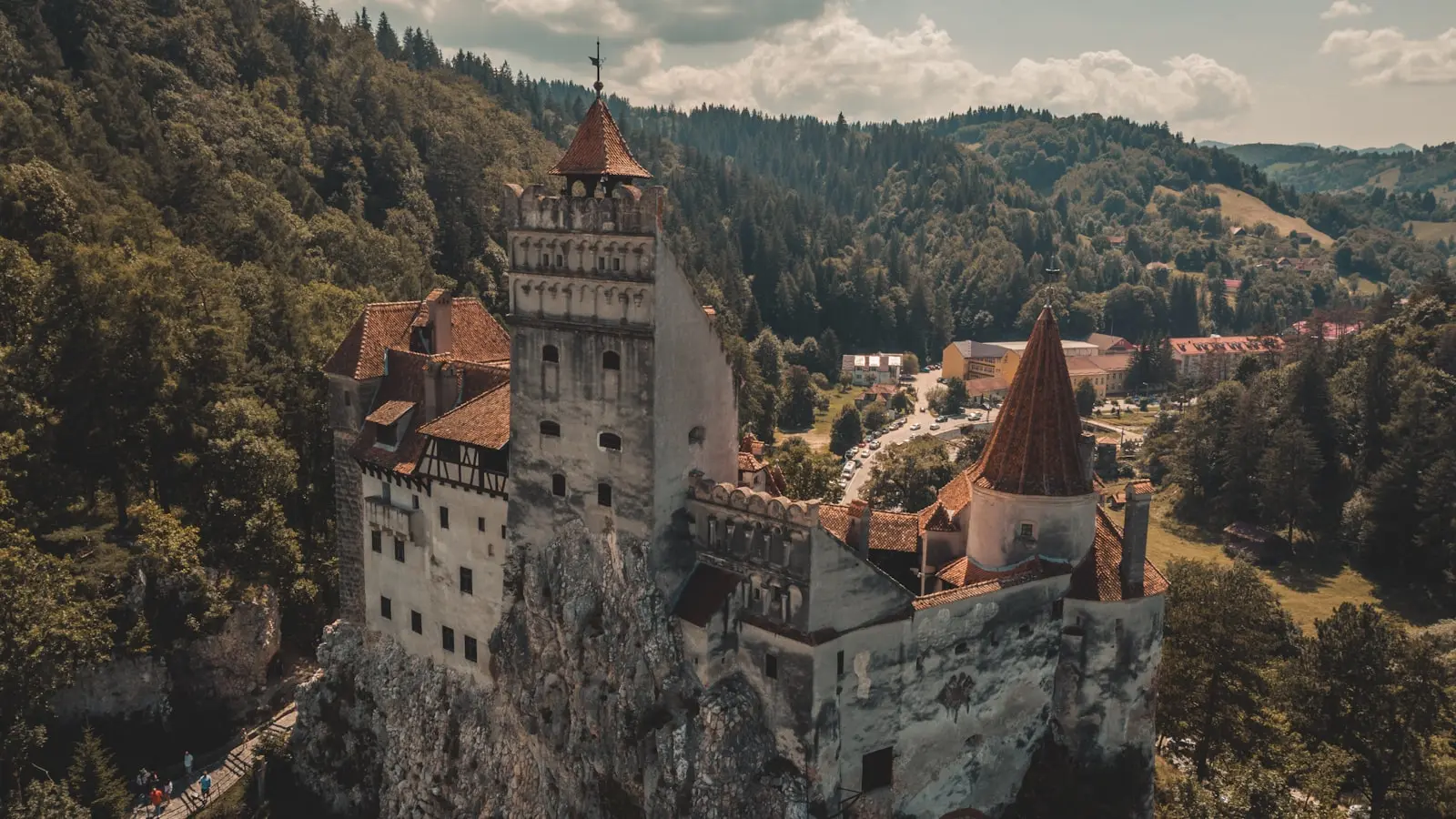
Entry fees for major attractions are modest. Bran Castle (often associated with Dracula) charges around €10–€12. Peleș Castle in Sinaia costs about €10. Museum entry fees typically range from €5 to €10. Student and senior discounts are common, and advance online bookings sometimes offer small savings.
Many cities have free walking tours (tip-based, usually €5–€10 per person). National parks like the Carpathian Mountains generally have low or no entry fees, though guided hikes may cost extra. Some cities offer tourist cards with bundled discounts; for example, the Bucharest City Card includes public transport and museum entry. Planning which attractions are must-sees helps control costs — entrance fees can add up over two weeks.
Daily Budget Estimates by Travel Style
Budget traveler (hostel, street food, public transport, few paid attractions): €35–€55 per day. Two-week total: approximately €490–€770.
Mid-range traveler (private room in guesthouse or Airbnb, restaurant meals, occasional taxis, some paid attractions): €70–€110 per day. Two-week total: approximately €980–€1,540.
Comfortable traveler (good hotel, car rental, all major attractions, nicer restaurants): €120–€180 per day. Two-week total: approximately €1,680–€2,520.
These figures are per person. Couples or groups can reduce per-person costs by sharing accommodation and car rental. Regional differences matter: Bucharest and Transylvania are pricier than Moldavia or Oltenia.
Hidden Costs and Money-Saving Tips
The local currency is the Romanian Leu (RON). Euros are accepted in some tourist shops and hotels but often at poor exchange rates. Cards (Visa and Mastercard) are widely accepted in cities, but smaller towns and markets prefer cash. Carry around €50–€100 equivalent in RON for emergencies and rural stops. ATMs are common but watch for fees — use a card with no foreign transaction fee and always decline dynamic currency conversion.
Tipping is customary: 5–10% at restaurants, small tips for drivers or hotel staff. Airport taxi scams are the most common hidden cost. Always use an official app like Bolt or the airport’s automated dispatch. Seasonal price fluctuations are real: summer (July–August) and Christmas holidays see higher accommodation and flight prices. Late spring (May) and early autumn (September–October) offer better deals and pleasant weather.
FAQ
1. Is Romania cheaper than other Eastern European destinations like Bulgaria or Hungary? Romania is generally comparable to Bulgaria for accommodation and dining, often slightly cheaper than Hungary, especially in the capital. Prices vary regionally within each country, so a direct comparison depends on specific cities and travel styles.
2. How much cash should I carry vs. using cards in Romania? Cards work well in cities, but smaller towns and rural areas may only accept cash. Carry around €50–€100 equivalent in RON for markets, small shops, and tips. Most hotels, restaurants, and larger stores take Visa and Mastercard.
3. What is the cheapest time of year to visit Romania for a two-week trip? Late spring (May) and early autumn (September to October) offer lower accommodation and flight costs, plus comfortable weather. July and August are peak season with higher prices. Christmas and New Year also see a spike.