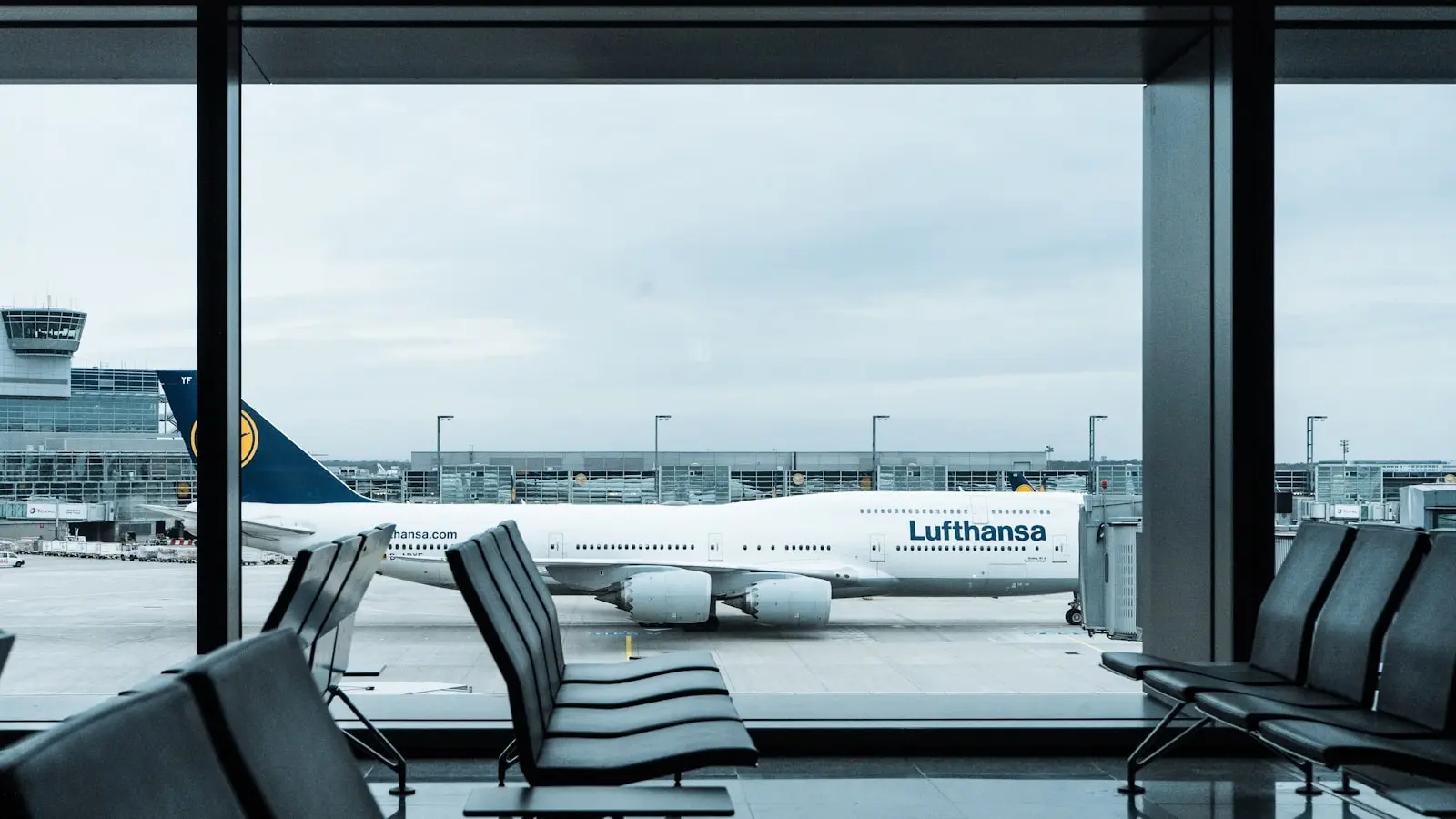
The departure board at Bucharest Henri Coandă Airport flickers at 6:17 a.m. A traveler, carrying a single backpack and a boarding pass for a €15.50 flight to Malta, is about to embark on a two-week experiment: buy the cheapest flight every day. No planning beyond the immediate departure. No comfort beyond a hostel bunk. The challenge, posted on Reddit on May 10, has sparked a heated debate in the travel community. The design of this trip is deliberately friction-filled—friction against inertia, against the tourist industry’s promise of seamless experiences. But at what cost?
The Mechanics of Chaos
The premise is deceptive in its simplicity. For fourteen consecutive days, the participant must purchase the lowest-priced ticket available from their current location to any destination within range. The route is not chosen; it is dictated by airline algorithms and flash sales. Accommodation is limited to hostels, preferably the cheapest dorm beds. The budget traveler becomes a pinball, ricocheting across European airports on Ryanair, Wizz Air, and EasyJet. The first leg: a €15.50 ticket from Romania to Malta. Next: a €12 flight from Malta to Catania. Then Catania to Brussels, Brussels to Budapest, and so on. The total cost for fourteen flights can easily fall under €200, but the arithmetic ignores the hidden toll. (What is the price of a missed night of sleep?)
The logistics demand constant vigilance. A flight at 6 a.m. means waking at 3:30 a.m., waiting in line for a bus to the airport, enduring security scans, and boarding a cramped cabin with no frills. The traveler lands, exhausted, in a city they never intended to see. The hostel check-in is at 2 p.m., but it is only 9 a.m. They wander with their backpack, searching for a park bench or a café with free Wi-Fi. The afternoon is a blur of basic orientation—finding a grocery store, buying a bottle of water, charging a phone. By evening, the fatigue has settled deep in the bones, but the next day’s flight must be booked. The process repeats. “It’s like a survival game,” one Reddit user commented on the original thread. “But survival of what exactly?”
The Social Media Mirage
Extreme budget travel has become a staple of social media content. YouTube channels boast of “$10 flights” and “Solo travel on a shoestring.” TikTok showcases teenagers sleeping in airports and eating gas station sandwiches. The appeal is obvious: the illusion of freedom from financial constraints, the thrill of the unexpected, and the narrative of resourcefulness. In reality, the logistics are punishing. The Reddit challenge, born from a single post, quickly attracted hundreds of comments. On r/travel, some praised the adventure. “You see places you’d never choose,” wrote one user. “It forces you out of your comfort zone.” Others warned of burnout: “After day six, you are not traveling anymore. You are commuting.” The divide reflects a deeper tension between the romanticized idea of travel as liberation and the mundane reality of transit as labor.
Analysts note that the trend aligns with a broader cultural shift toward “hustle culture” applied to leisure. Travel is optimized for maximum output—number of countries visited, passport stamps collected, photos posted. The experience itself becomes secondary to the metric. (Can you really absorb a city in eight hours between flights?) The challenge exaggerates this tendency. It strips travel of its slow, meandering quality and replaces it with a rigid schedule dictated by low-cost carriers. The participant is not a traveler but a logistics operator, managing transfers, currencies, and exhaustion.
The Cost of Constant Motion
The physical cost is immediate. Sleep deprivation accumulates. A 2019 study from the University of California found that chronic sleep loss impairs cognitive function equivalent to a blood alcohol concentration of 0.05%. After three days of 4 a.m. wake-ups, the traveler’s decision-making deteriorates. They might choose a flight that connects through five airports or book a hostel in a dangerous neighborhood. The body rebels: back pain from sitting in narrow seats, dehydration from airport air, and hunger from skipping meals to save money. The mental cost is less visible but more profound. Constant motion prevents the brain from forming lasting memories. A study in Nature suggests that spatial memory consolidation requires downtime—periods of inactivity that allow the hippocampus to encode experiences. The cheapest flight challenge offers no downtime. The traveler moves through airports, cities, and hostel rooms without ever settling. The result is a blur, a slideshow of boarding gates and hostel keys.
On a deeper level, the challenge undermines the purpose of travel. Travel, at its best, is about immersion: lingering in a café, watching locals interact, tasting a dish cooked by someone’s grandmother. The cheapest flight challenge reduces travel to transit. The destination is mere geography. (What is the point of standing in front of the Trevi Fountain if you are already thinking about the next flight?) The traveler misses the texture of a place—the scent of rain on cobblestones, the sound of a street musician, the feel of a sun-warmed bench. These are not luxury items; they are the raw materials of travel as a human experience.
The Economics of Friction
Critics argue that the challenge is not a travel style but a form of self-inflicted hardship. The savings are marginal when weighed against the physical and psychological cost. A €15 flight might save €50 compared to a normal ticket, but the traveler loses a day of productive exploration. The hostel costs, while cheap, often require long walks from the airport, adding to the fatigue. The opportunity cost is high. In the same two weeks, a traveler could visit three cities properly—stay in each for four or five days—and gain a genuine sense of place. The cheapest flight challenge, by contrast, generates a checklist of names without context. (Is Lisbon just a place where you ate a pastel de nata at the airport?)
The phenomenon reflects a broader societal obsession with optimizing time and money, even for leisure. The challenge’s popularity on Reddit suggests a desire to prove something: that one can conquer the system, game the algorithms, and emerge with a scorecard of cheap tickets. But the human element—the love for a city, the connection with strangers—is absent. The challenge is a performance, not a journey.
The End of the Road
After fourteen days, the traveler returns home. They have spent perhaps €300 on flights and €200 on hostels. They have visited twelve countries. But what do they remember? A collection of airport interiors. The taste of vending machine coffee. The weight of a backpack. The challenge’s creator, in a follow-up post, admitted feeling “hollow” after the last flight. “I saw so much, but I feel like I saw nothing,” they wrote. The thread filled with similar confessions. Some were proud; most were tired. The debate continues. Is this extreme budget travel a valid form of exploration or a symptom of a culture that values efficiency over depth? The answer likely lies somewhere between the thrill of the bargain and the erosion of meaning. For the traveler who values immersion, the cheapest flight challenge is a cautionary tale. For the traveler who seeks a test of endurance, it is a strange kind of victory. The airport has no opinion. It just waits for the next flight.