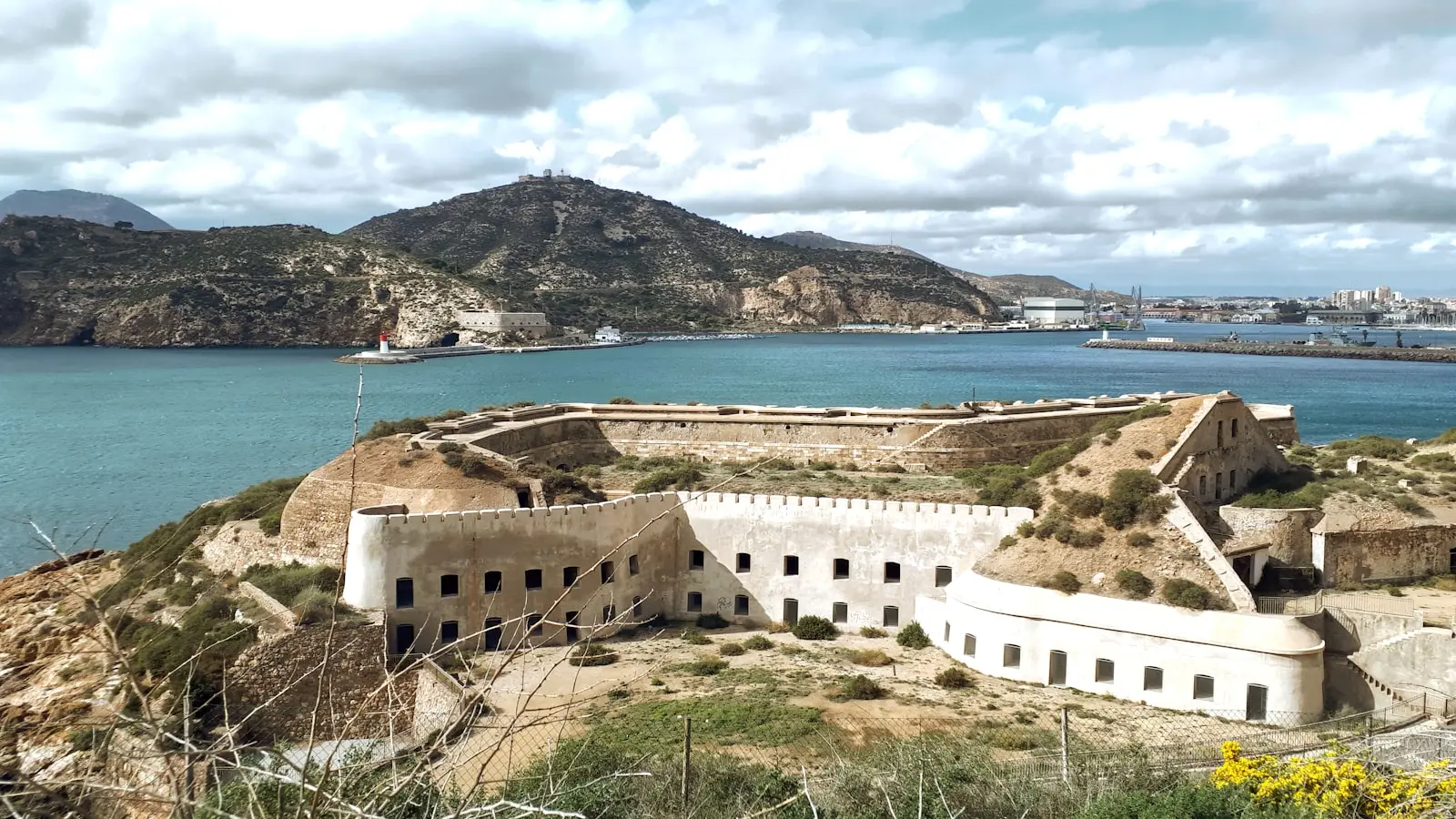
You can experience the character of Cartagena in three hours after arriving around 5 PM, but not its full archaeological offering. The practical approach is simple: make the Roman Theatre Museum your first stop only if same-day entry is still realistic; otherwise, follow an exterior-first loop through the old town and harbour.
Late travel plans need margin. Hotel check-in, parking, luggage, payment problems, a delayed train, or a wrong turn can quickly consume the time between arrival and an attraction’s final admission. Cartagena works especially well as an evening city when you focus on its streets, façades, plazas, and waterfront rather than chasing closed interiors.
Key Takeaways
- Treat the Roman Theatre Museum as conditional: check its official hours, final-entry policy, ticket availability, and closures on the day.
- Keep the first 30 minutes free for luggage, parking, navigation, or another delay.
- If interiors are no longer practical, combine the Roman Theatre surroundings, Plaza del Ayuntamiento, Calle Mayor, and the harbour promenade.
- Use remaining daylight for architecture and waterfront views; save dinner and illuminated streets for after dark.
- A three-hour visit captures Cartagena’s atmosphere, but major archaeological interiors are best saved for the next morning.
Make the 5 PM decision Roman Theatre or port
For most visitors, the Roman Theatre area is the best first stop. It sits close to the historic centre and gives the walk an immediate sense of Cartagena’s layered past before you continue through Calle Mayor toward the harbour. The museum itself, however, should be treated as an opportunity rather than a promise.
Before walking there, check the Roman Theatre Museum’s official information for that date. Confirm opening hours, final admission, ticket availability, temporary closures, and whether you have enough time for a worthwhile visit. Seasonal schedules, holidays, and special events can all change the answer.
Choose the museum only when you can arrive, enter, and spend meaningful time inside without sacrificing the rest of the evening. If you have less than an hour before closing and still need to find the entrance, manage bags, or purchase tickets, the outdoor route is usually the stronger choice.
The theatre remains worth seeing from outside. Its setting, nearby historic streets, and the approach to Plaza del Ayuntamiento make a satisfying opening to a Cartagena old town itinerary. Skipping the interior is not settling for nothing; it is choosing the part of the city that is reliable at evening pace.
Start at the port instead if sunset is close, the theatre is confirmed closed, or waterfront views matter most to you. The harbour offers open space after a long journey and lets you use the remaining daylight before moving into the centre as evening falls.
Protect the first 30 minutes as an arrival buffer. This is not spare time for another attraction. It covers the ordinary friction of travel: getting from a station or parking area, checking in, storing luggage, finding a restroom, navigating unfamiliar streets, or discovering that an attraction’s arrangements have changed.
Follow the compact Cartagena evening walking route
The most dependable Cartagena evening walking route is a compact loop, not a race between landmarks. It links the Roman Theatre area, Plaza del Ayuntamiento, Calle Mayor, central old-town streets, and the harbour promenade, with enough flexibility to shorten the route if daylight or energy runs low.
A realistic three-hour framework looks like this:
- First 30 minutes: Arrive in the centre, deal with bags, orient yourself, and decide whether Roman Theatre entry is feasible.
- Next 35 to 45 minutes: Explore the Roman Theatre surroundings and Plaza del Ayuntamiento, then continue along Calle Mayor.
- Next 30 to 40 minutes: Wander a small section of the old town and its plazas rather than attempting every landmark.
- Next 25 to 35 minutes: Walk the waterfront promenade for harbour views and fading light.
- Final 45 to 60 minutes: Have tapas or dinner near the historic centre or port.
From the Roman Theatre area, take time around the exterior and Plaza del Ayuntamiento. Cartagena feels compact here: archaeology, civic architecture, narrow streets, and the sea are close enough to form one connected experience.
Continue along Calle Mayor at an unhurried pace. Its modernist façades remain rewarding after museums close. Look up at balconies, decorative details, rooflines, and storefronts; these are among the details that reveal Cartagena’s commercial and maritime history without requiring a ticket.
Give yourself permission to drift briefly into the central lanes and smaller plazas. A late arrival is not the right moment to chase every church, museum, or archaeological site. It is a chance to notice how the centre shifts into evening, with people gathering in streets and restaurant terraces beginning to fill.
Finish at the waterfront. The promenade and harbour views remain useful after ticketed attractions close because they do not depend on a timed slot or final admission. They also give the walk a natural ending before a drink or dinner.
Walking times are approximate and depend on pace. Cobbles, slopes, stairs, heat, crowds, luggage, and photo stops can make a short mapped distance feel longer. Think of this as a sequence of nearby areas rather than a strict route to complete at speed.
Use daylight, sunset and dinner timing without overplanning
For Cartagena in three hours, daylight is the limited resource. Check the date-specific sunset and twilight time before leaving your hotel, station, or parking area rather than relying on a general idea of Spanish evenings. Available light changes substantially across the year.
Use daylight for the Roman Theatre setting, façades on Calle Mayor, plazas, and the waterfront. Once darkness arrives, move naturally toward illuminated streets, the harbour, and dinner. Adding distant viewpoints as the light fades often means more walking with less to see.
The timing model is intentionally restrained: around 90 minutes for the outdoor loop, 30 minutes for disruption and navigation, and 45 to 60 minutes for food. Faster walkers can linger at the port; slower walkers should skip an old-town detour rather than rush through the theatre area or cut dinner short.
Dining may start later than some visitors expect, but service times vary by venue, day, and season. Check the current opening and kitchen hours of a restaurant you would genuinely like to visit. On busy weekends or holidays, reserving ahead can prevent the last hour of your evening becoming a search for a table.
If you arrive after dark, simplify further. Walk the lit sections around Plaza del Ayuntamiento and Calle Mayor, spend time by the port, and have an unhurried meal. That is not a failed itinerary; it is the sensible version for an evening when daylight views and museum interiors are no longer available.
Switch to the no-ticket fallback when entry is unavailable
The no-ticket fallback is the best default for many late arrivals: Roman Theatre exterior, Plaza del Ayuntamiento, Calle Mayor, a short old-town wander, harbour promenade, and dinner. It is coherent, compact, and less vulnerable to changing hours than an attraction-heavy plan.
It cannot replace the experiences inside Cartagena’s major sites. The Roman Theatre Museum, Forum District, archaeological interiors, castle access, panoramic lift, and other museums require separate time and confirmed admission. Their value lies in interpretation and access, not simply in reaching the building.
In rain, shorten the route to the theatre area, Plaza del Ayuntamiento, Calle Mayor, and one nearby restaurant. If you want an indoor stop, confirm its hours before setting out rather than assuming it will still accept visitors.
In heat, consider beginning at the harbour, carry water, seek shade, and keep the route brief. A taxi can be worthwhile for a point-to-point transfer between your arrival point and the centre if it preserves energy for the walk itself.
Visitors with reduced mobility should not assume this is a fully step-free circuit. Historic surfaces, slopes, and older streets can be uneven or tiring. Prioritize flatter waterfront sections, ask accommodation staff or visitor services about current accessible routes, and use a taxi to bypass a difficult stretch.
Resolve luggage before starting. A rolling suitcase is awkward on cobbles and tiring on slopes, while carrying bags makes even a modest route feel much longer. Check in, use available storage, or secure legal parking before beginning the walk.
Do not build the evening around a harbour cruise, catamaran, guided tour, or panoramic lift unless you have confirmed that day’s operating schedule and availability. These services may be seasonal, weather-dependent, sold out, or finished before a late arrival reaches the centre.
Plan transport and save interiors for tomorrow
If you arrive by rail or regional bus, verify your final connection and the transfer from the station to the centre. When the trip has already slipped later than planned, reduce the evening to one exterior landmark, a short old-town walk, and dinner rather than racing against closing times.
If you arrive by car, check official parking information before driving into the centre. Restricted access, garage hours, payment methods, and the walk from the parking area can all affect your usable time. A slightly farther garage can be preferable if it is straightforward, open when you return, and avoids a stressful search through unfamiliar streets.
If you have the next morning, return first for the interior that matters most to you. For many visitors, that is the Roman Theatre Museum. The Forum District, castle and panoramic lift, archaeological houses, and maritime museums can then be added according to your interests and their confirmed schedules.
The honest expectation is simple: three hours after a late arrival can give you Cartagena’s atmosphere, historic streets, civic architecture, and waterfront. It cannot deliver a complete archaeological sightseeing day. Accepting that limit is what keeps the evening enjoyable.
FAQ
Can you visit the Roman Theatre in Cartagena after arriving at 5 PM?
Possibly, but only if official same-day hours, final-entry rules, ticket availability, and your actual arrival time make a proper visit realistic. If any part is uncertain, see the exterior setting and spend the evening in the old town and harbour.
What can you see in Cartagena when museums and attractions are closed?
The Roman Theatre surroundings, Plaza del Ayuntamiento, Calle Mayor’s façades, central old-town streets, and the harbour promenade all remain worthwhile from outside. Together, they make a satisfying late-arrival Cartagena itinerary without depending on admission times.
Is Cartagena’s old town and waterfront walkable in three hours?
Yes, as a selective loop with a modest pace, especially if you begin near the theatre or port and avoid multiple interiors. Allow additional time for luggage, cobbles, slopes, weather, mobility needs, and dinner.