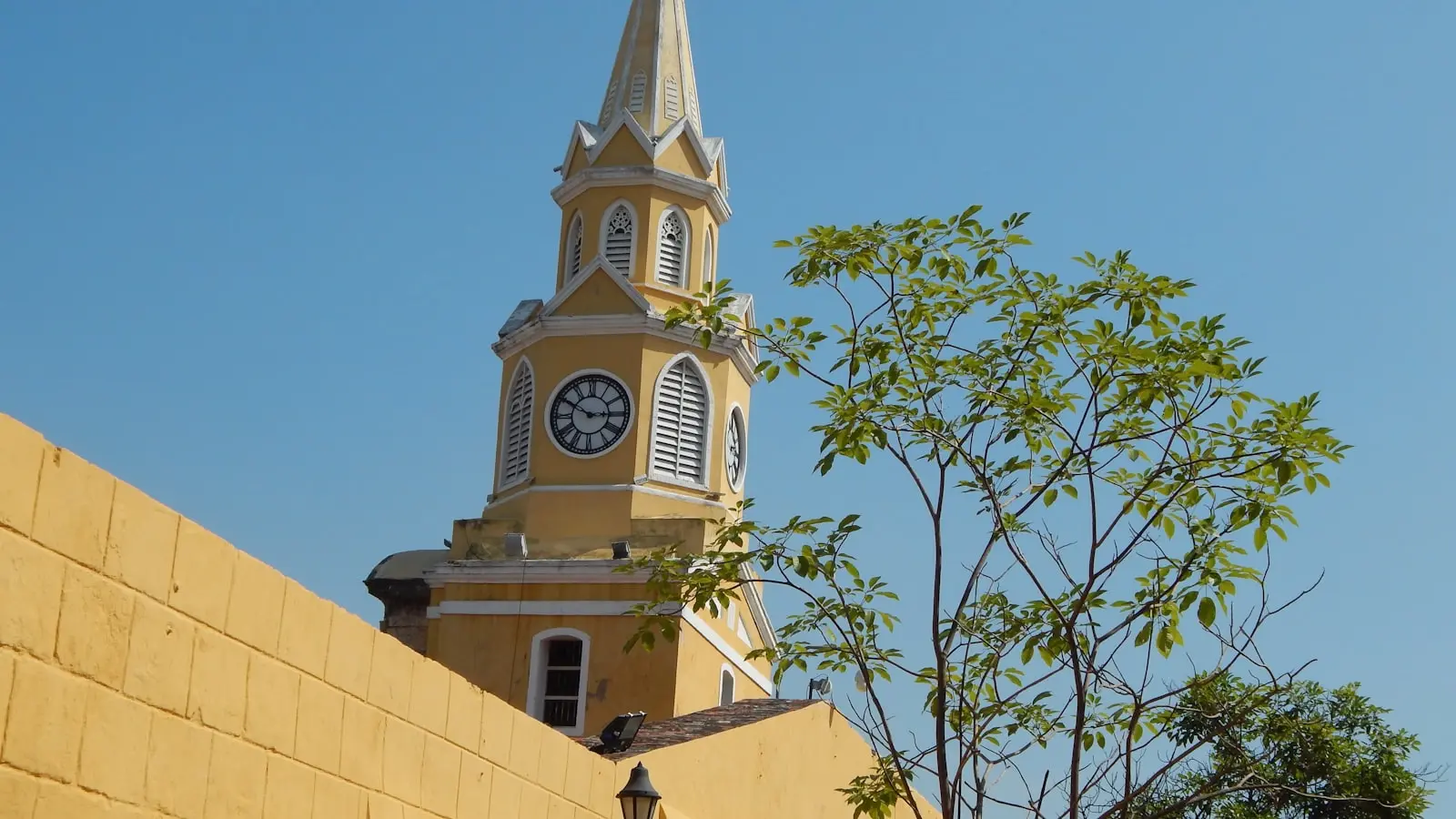
If you arrive in Cartagena, Spain after museums close, the city can still be well worth your time—but as an outdoor walk rather than a substitute for its major archaeological interiors. Prioritize the harbor promenade, Calle Mayor, civic squares, modernist façades, and the public surroundings of the Roman Theatre. Save the Roman Theatre Museum, Castillo de la Concepción, and museum collections for the next morning if they are central to your visit.
Key Takeaways
- Cartagena Spain after museums close works best as a compact old-town-and-waterfront evening, not a full heritage visit.
- The port walk, Calle Mayor, Plaza del Ayuntamiento, and nearby squares offer the strongest return without timed admission.
- You can appreciate the Roman Theatre’s setting from surrounding public areas, but the museum route and close archaeological access require a daytime visit.
- Treat Concepción Castle and hilltop overlooks as conditional: gate times, paths, lighting, and lift operation can change the plan.
- Confirm same-day access, weather, dinner service, and your return transport before relying on any after-dark stop.
The useful distinction is simple: some Cartagena attractions still have real value from streets, promenades, and squares; others depend on being inside. The historic center and waterfront are close together, making it possible to have a satisfying evening without spending it testing locked doors.
Decide Whether an Evening-Only Visit Is Worth It
Choose an evening route if you arrive after normal admission hours, the weather is suitable for walking, and you want atmosphere, architecture, harbor views, and dinner. Cartagena’s compact center rewards an unhurried walk, especially from late daylight into the first hours after dark.
Stay overnight, or return the next morning, if the Roman Theatre interior is a principal reason for visiting. The theatre’s appeal is not limited to its visible seating and stage: the museum route provides the archaeological detail and historical context that explain how the monument fits within the modern city.
The same applies to maritime, archaeological, and municipal museums, as well as the castle’s interpretation spaces. Hours, final admission, holiday closures, and seasonal arrangements can differ by venue. Check official tourism and attraction information on the day rather than relying on a general museum timetable.
Ranked Cartagena Evening Attractions That Still Deliver
1. Cartagena Port Walk and Waterfront
The Cartagena port walk is the most dependable after-hours choice because its value is fundamentally outdoors. The broad harbor setting, water views, boats, and port-facing cityscape remain enjoyable after museums have closed, and the promenade connects naturally with the historic center.
It is also one of the most practical Cartagena free sights, provided the relevant public sections are open. Stay on clearly public routes and do not treat working port or naval areas as places to explore. Construction, weather, security arrangements, and event setups may affect the route.
Go around sunset if possible, then remain through the first stretch of evening. The waterfront has enough visual interest to serve as the finish of the entire walk rather than a quick detour.
2. Calle Mayor and the Modernist Historic Center
Calle Mayor is the clearest expression of Cartagena old town at night. Its appeal is in the streetscape: decorative façades, balconies, doorways, and commercial buildings that reward looking upward rather than rushing toward a single attraction.
This is a high-payoff stop because it requires no ticket, steep climb, or complicated detour. It also links the central squares with the harbor, making it more useful for a short visit than a distant monument requiring extra transport.
Do not expect every building to be illuminated or open to visitors. The experience is the architecture and evening rhythm of the street itself, with the best detail usually visible before full darkness.
3. Plaza del Ayuntamiento and the Roman Theatre Surroundings
Plaza del Ayuntamiento gives the Roman Theatre a place in an evening itinerary without pretending that a closed museum can be replaced. The square and surrounding streets reveal Cartagena’s layered character, where civic spaces, religious ruins, and Roman remains sit within a tight urban area.
You may be able to take in elements of the theatre’s setting from public approaches and surrounding ground, but do not assume there is a free, close, unobstructed view of the whole monument from every angle. Sightlines can depend on barriers, lighting, and current access arrangements.
The trade-off is straightforward: the exterior setting is worth seeing, but you will miss the museum route, close archaeological detail, and much of the interpretation. If the theatre is a priority, use the evening visit as an introduction and return in daylight.
4. Plaza de San Francisco and Nearby Civic Streets
Plaza de San Francisco is not a major monument, which is why it works well after museums close. It provides a calm pause between the architectural concentration of Calle Mayor and the openness of the waterfront.
Treat it as part of the route, not a destination that requires a long stop. It is useful for a short break, a drink if nearby venues are operating, or a slower transition toward dinner.
5. Waterfront Naval and Maritime Views
Cartagena’s maritime identity remains visible from public promenades in the relationship between the city, harbor, ships, and port-facing buildings. These views add variety to an evening otherwise focused on façades and squares.
Keep expectations measured. A working harbor is not an open-air naval museum, and restricted areas remain restricted. The worthwhile experience is the public waterfront perspective, not trying to get closer to fenced infrastructure.
6. Concepción Castle Hill and Overlook Areas
Concepción Castle can be visually rewarding, but it is the least dependable option after dark. Its value depends on confirmed gate times, path conditions, ticketing, lift operation, weather, and whether the route is comfortable for your group in low light.
Consider it only if the relevant public path or viewpoint is confirmed accessible and appropriate for the hour. Do not assume a daytime overlook remains open at night, and do not enter gated, poorly lit, or restricted areas for a better view.
If access is uncertain, skip it without regret. The harbor and historic center make a complete evening on their own, while the castle is generally a stronger daytime priority.
Follow This Compact Late-Afternoon Itinerary
The best Cartagena late afternoon itinerary runs from the historic center toward the water rather than back and forth across town. Start near Calle Mayor, continue through the civic core, pause around Plaza del Ayuntamiento and the Roman Theatre surroundings, then finish at the harbor promenade with dinner nearby.
If you arrive near sunset, begin around the Roman Theatre surroundings while there is still enough light to appreciate the stonework and the relationship between the site and the city. Continue along Calle Mayor and nearby squares, then head toward the waterfront as evening lights begin to change the harbor.
If you arrive after dark, do not spend time attempting to enter already-closed cultural sites or chasing an unconfirmed castle viewpoint. Begin with Calle Mayor, include Plaza de San Francisco and Plaza del Ayuntamiento, then let the port walk become the evening’s final stop.
The central sights are close enough to combine on foot, but exact walking times should be treated as approximate. Construction, event barriers, mobility needs, crowds, and detours can alter the route. Check mapping on the day for the practical paths available.
For dinner, choose a restaurant in or near the historic center or waterfront. This keeps the evening coherent and avoids leaving the walkable core only to retrace your steps later. Check reservations and kitchen hours locally, especially on Sundays, holidays, and quieter seasonal evenings.
If wind or rain arrives, shorten the plan rather than forcing every stop. A covered meal and a brief old-town loop can still be worthwhile; save longer waterfront time and elevated views for a clearer morning.
Save These Attractions for Daytime
The Roman Theatre Museum and theatre interior deserve a daytime slot if archaeology matters to you. The exterior context is evocative, but the interior visit provides the close engagement that turns the site into more than a distant view.
Castillo de la Concepción is also better treated as a daytime attraction unless access has been specifically confirmed for your intended hour. Its hilltop setting is part of the appeal, but it also makes gates, darkness, weather, and lift availability more consequential.
ARQVA, municipal museums, and other archaeological or maritime venues are likewise daytime priorities. Their schedules vary, and final admission can be earlier than the posted closing time.
Special late-opening events can be excellent when officially announced, but they should not be the foundation of a normal evening plan. Build around public outdoor spaces first, then treat any confirmed extended opening as a bonus.
The overnight decision is simple: stay if missing the Roman Theatre interior, a museum collection, or another ticketed heritage site would leave the visit incomplete. If your aim is a harbor stroll, dinner, and a compact old-town walk, one well-planned evening can be enough.
After-Dark Practicalities for a Smoother Visit
Before setting out, confirm same-day hours for any attraction you still hope to enter. Check final admission, gates, lifts, public-path access, temporary closures, weather, and event restrictions through official venue and tourism channels.
Lighting and comfort can change quickly from one block to another. Keep the core of your evening on active, well-lit pedestrian streets and the public waterfront. Treat hill paths, archaeological edges, and quieter overlooks with more caution and preparation.
Use standard after-dark travel habits: keep valuables secure, remain on active routes, and decide how you will return before heading toward a quieter viewpoint. If your accommodation is not nearby, identify a practical walking, taxi, or transit option before dinner rather than improvising late in the evening.
Season matters as well. Longer daylight improves the Roman Theatre surroundings and architectural viewing, while cool, wet, or very dark evenings favor a shorter plan centered on Calle Mayor, central squares, and a meal close to the route.
FAQ
Can you see Cartagena’s Roman Theatre after the museum closes?
You can still visit the public surroundings and understand the theatre’s place in the city, but views are not guaranteed to be clear or close from every nearby street. The museum and interior archaeological route remain the better option for detail and interpretation.
Is the Cartagena port walk free and open at night?
The public waterfront is often the most useful free evening option, but access should be checked on the day. Construction, weather, port operations, or organized events may affect which sections are practical or open.
Should you stay overnight in Cartagena if you arrive after museums close?
Stay overnight if the Roman Theatre Museum, castle interpretation center, or maritime and archaeological museums are essential to your visit. If you mainly want old-town architecture, squares, harbor views, and dinner, Cartagena remains satisfying after museums close.