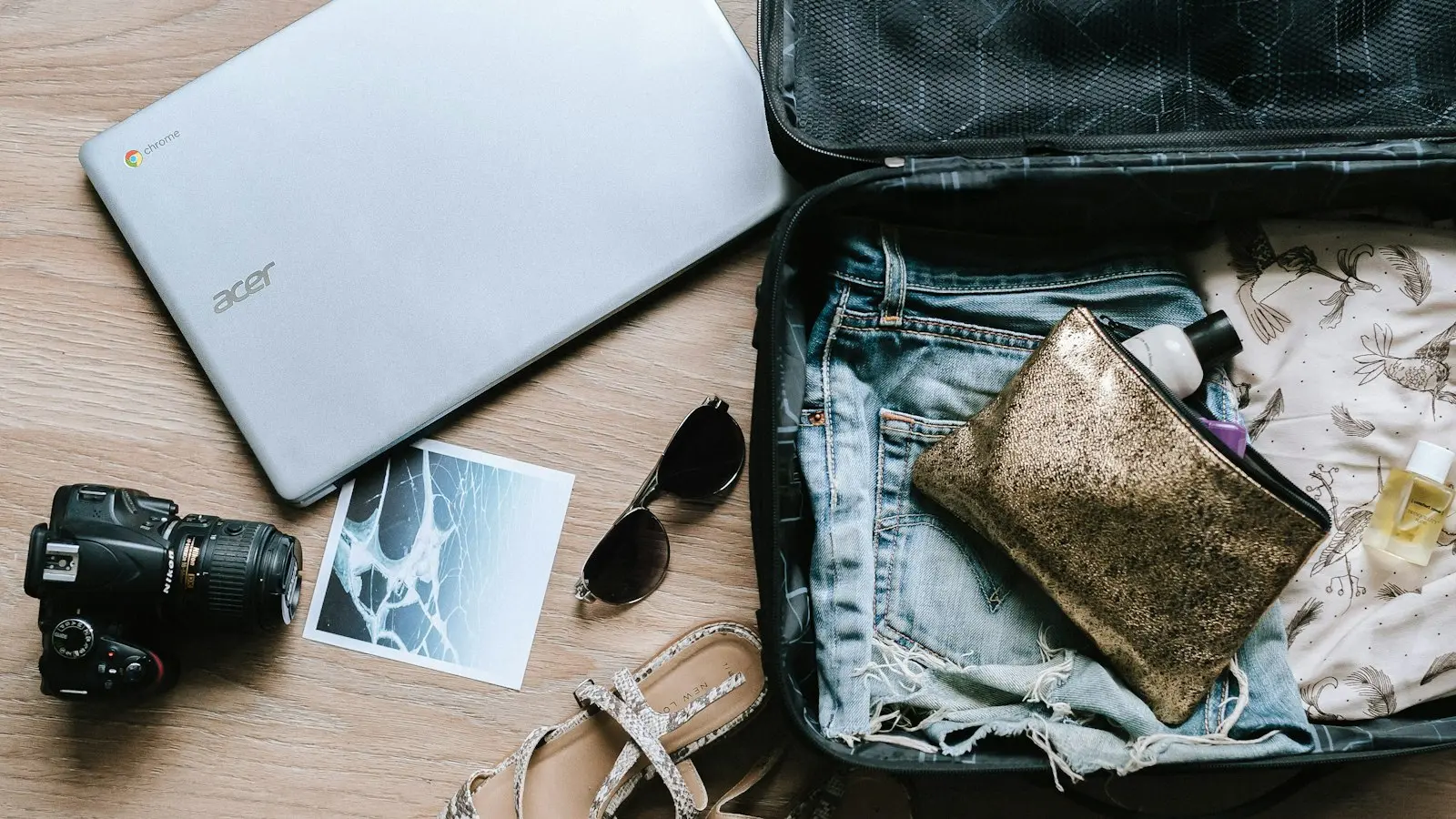
A successful carry-on only packing list starts with your itinerary, not a pile of travel-sized products. Map the weather, activities, dress expectations, laundry opportunities, and airline limits first; then build a small wardrobe around those constraints.
The goal is not to own the smallest possible suitcase. It is to remove items that do not earn their space while preserving comfort and a sensible backup for weather, delays, and minor mishaps. Here is a repeatable carry-on packing strategy that works better than packing one outfit for every day.
Key Takeaways
- Plan around your actual activities, forecast, dress requirements, and laundry access—not imagined scenarios.
- Build a coordinated, layerable wardrobe and assign every pair of shoes a specific purpose.
- Reduce bulk by limiting toiletries, duplicates, and items your accommodation or destination can reasonably provide.
- Measure and weigh the fully packed cabin bag and personal item against the rules for every operating airline.
- Keep medication, documents, valuables, essential electronics, and a basic change of clothes accessible in case of a gate check.
1. Build Your Carry-On Only Packing Plan Around the Actual Itinerary
Begin with a simple trip map. Write down where you will be, how long you will stay, what you will do, and how you will travel between places. A city break with museums and restaurants has different needs from a hiking trip, a work conference, or a beach holiday, even if all last one week.
Next, check the forecast for each destination close to departure. Look for the likely temperature range, rain exposure, wind, and whether you will move between noticeably different climates. A forecast cannot eliminate uncertainty, but it can stop you from packing for every possible season at once.
Separate genuine requirements from imagined scenarios. If you have one planned formal dinner, you may need one polished outfit, not three. If a strenuous hike is only a vague possibility, consider whether equipment can be rented or whether the activity should be left off the itinerary rather than allowing it to dictate your entire bag.
For each item, ask four questions: Can I wash it, rewear it, rent it, or buy it locally? The answer will not always be yes, and local purchasing is not equally convenient everywhere. Still, the questions expose the difference between a useful contingency and an object packed because it feels reassuring.
Treat the carry-on only packing list as a capacity plan rather than a universal checklist. Your trip length matters, but access to laundry and the type of clothing required often matter more. A ten-day trip with one midweek wash may need fewer clothes than a four-day trip involving wet-weather gear, formalwear, and specialized shoes.
2. Create a Small, Layerable Wardrobe That Works Together
Choose a restrained color palette before choosing individual garments. Two or three compatible base colors, plus one accent, make it easier to combine tops, bottoms, and outer layers without packing a separate outfit for every day.
A practical starting point might include several everyday tops, two bottoms, underwear and socks for the period before your planned wash, sleepwear, and one adaptable layer. Add an outer layer only if the destination and forecast require it. The exact count should reflect your laundry schedule, personal comfort, and activities rather than a rigid minimalist formula.
Layers solve more problems than duplicate outfits. A breathable base layer, a warmer mid-layer, and a weather-appropriate shell can cover changing conditions more efficiently than a bulky sweater for every temperature. The layers should also work separately; an item that is useful only as part of one exact outfit is expensive in suitcase space.
Choose fabrics and cuts for the work they must do. A shirt that can appear at breakfast, on a walking day, and under a jacket at dinner is more valuable than a delicate piece reserved for one photograph. Lightweight clothing is often easier to pack, but comfort, opacity, warmth, and drying time matter just as much as weight.
Pack underwear and socks according to the laundry plan, with a modest buffer for delays or a spilled drink. You do not automatically need a fresh complete outfit for every calendar day. On the other hand, planning to wash every item every night is fragile and may be unpleasant if your accommodation lacks a suitable place to dry clothing.
For a dressier activity, build around one practical solution. A collared shirt, simple dress, clean trousers, or versatile jacket may be enough, depending on the setting. Do not pack formalwear unless the itinerary genuinely calls for it; do not assume casual clothing will work for an event with a defined dress expectation.
3. Control the Biggest Space Problems: Shoes, Toiletries, and Duplicates
Shoes are often the first place a carry-on plan becomes unrealistic. They are bulky, difficult to compress, and usually less adaptable than clothing. Give each pair a clear purpose: walking, weather protection, a planned formal setting, or a specific sport.
For many trips, two pairs are enough, and one may be sufficient if the destination and activities allow it. Wear the bulkiest practical pair during transit when doing so is comfortable and suitable for the weather. This is a space-saving trade-off, not a rule: heavy boots can be miserable on a long travel day, and wearing multiple layers solely to save room may leave you overheated or less mobile.
Choose footwear based on actual walking demands, ground conditions, rain, and dress requirements. Do not bring a pair for a hypothetical activity that is not on the schedule. If a trip combines hiking and city dinners, decide whether one neat walking shoe can cover both before adding a dedicated dress shoe.
Toiletries create a similar problem because many small containers become a surprisingly large collection. Start by checking what your accommodation actually provides. A hair dryer, soap, or shampoo may be available, but amenities vary, so confirm rather than assume.
Use small containers for products you genuinely need, and consider solid formats where they suit your routine and destination. Do not decant something merely because it is possible; a product that leaks, irritates your skin, or cannot last the trip is not a packing success. Buying a larger basic item after arrival may be sensible in some destinations, but not if you arrive late, travel onward immediately, or need a specific formulation.
Keep prescription and medically necessary items separate from optional toiletries. Medicines should remain identifiable and accessible rather than being transferred into unmarked containers. Check destination-specific documentation, quantity, and prescription requirements through relevant official authorities or a qualified medical professional, especially for international travel.
Remove duplicates before you organize the bag. One charging setup may replace several cables if your devices are compatible, while grooming tools, accessories, and entertainment should each have a defined job. A small backup can be worthwhile for an essential item, but “just in case” should not become a category that consumes half the personal item.
4. Use Laundry and Rewearing to Extend a Small Packing List
Laundry is the mechanism that makes longer carry-on-only trips practical. Decide before departure when you will wash clothes and where that will happen: a machine, a hotel service, a sink, or a laundromat. If the plan depends on a facility, check that it exists and is available when you need it.
Pack only what supports that method. A small amount of suitable detergent may be useful where permitted, but you do not need a full laundry kit for a short trip. Follow any relevant transport and accommodation rules, and avoid assuming that every product is safe for every fabric or drainage system.
Some garments tolerate quick washing and dry relatively quickly; others remain damp, lose their shape, or need careful handling. Test important clothing at home if you are relying on it for repeated wear. Even then, leave a buffer for delayed drying, a rainy day, a spill, or a room without good ventilation.
Rewearing also requires judgment. Underwear, socks, and clothing exposed to sweat may need more frequent washing, while an outer layer or trousers may be worn again when clean and comfortable. The right standard depends on the garment, climate, activity level, and your own hygiene needs.
Laundry becomes less useful when the itinerary includes formal events, remote travel, strenuous outdoor activities, protective clothing, or limited access to washing facilities. In those cases, carrying more is not a failure of minimalist travel packing; it is an honest response to the trip.
5. Make the Bag Compliant and Test the Packed Setup
A cabin bag and a personal item are not the same thing. The cabin bag is usually the larger piece placed in the overhead area, while the personal item is a smaller bag intended to fit under the seat. The allowance, dimensions, weight, number of pieces, and fare restrictions can vary by airline, route, aircraft, and ticket type.
Check the current rules for every operating carrier, including connection flights and codeshare arrangements. Do not rely on a bag being accepted by one airline as evidence that another will allow it. Some carriers may enforce limits more closely than others, and an advertised bag dimension does not guarantee acceptance if the packed bag expands beyond it.
Measure and weigh the fully packed bags before leaving. Include wheels, handles, external pockets, and anything you plan to place in the personal item. Soft-sided luggage can bulge, while compression can make a bag look smaller without reducing its actual weight. A test walk also reveals whether the setup is manageable through a station, airport, or several flights of stairs.
Review current security requirements for liquids, aerosols, gels, medications, medical supplies, batteries, power banks, electronics, and travel accessories through the relevant departure airport or government authority. Screening procedures are not universal, particularly when you have connections, so keep items organized and easy to remove if required.
Your personal item should hold the things you cannot afford to lose access to. Keep your passport or identification, wallet, medication, valuables, essential electronics, chargers, and important documents there when practical. A basic change of clothes can also help if the larger cabin bag is gate-checked, although it should not replace checking the airline’s instructions about what may remain in a bag during handling.
Prepare for weather without filling the suitcase with speculative clothing. A compact rain layer, accessible warm layer, or hat may be more useful than several extra outfits. Keep one layer easy to reach during transit rather than burying it beneath the rest of the wardrobe.
Carry-on-only travel is a poor fit for some itineraries. Specialized sports equipment, bulky protective clothing, extensive formalwear, medical supplies, severe-weather destinations, remote locations, and trips without laundry access may justify checked luggage. Avoiding a checked bag is not worth making the trip unsafe, uncomfortable, or needlessly expensive.
FAQ
What should be included on a carry-on only packing list for a one-week trip?
Start with clothing for the first part of the trip plus a planned laundry point, rather than seven complete outfits. Include versatile tops and bottoms, underwear and socks, sleepwear, weather-appropriate layers, essential toiletries, medication, documents, chargers, and shoes assigned to real activities. Add one dressier option only when the itinerary requires it.
How do I know whether my carry-on and personal item meet airline cabin bag limits?
Check the current baggage page for every operating airline and your fare type. Confirm the permitted number of bags, dimensions, weight, and any route-specific conditions. Then measure and weigh the fully packed bags, including wheels, handles, pockets, and personal-item contents where relevant.
What should I do if I need to pack for changing weather without overpacking?
Use layers rather than separate outfits for every temperature. Combine a base layer with an adaptable mid-layer and a compact weather layer when the forecast supports that approach. Keep the most useful layer accessible, and add specialized clothing only when the itinerary, conditions, or safety of the activity clearly requires it.