Can You Enjoy Dubrovnik Without Breaking the Bank?
A Reddit user recently described Dubrovnik as “a living postcard on every single step,” adding that they took more than 200 photos in three days and didn’t mind the expense. That sentiment captures the city’s magnetic pull—and its central conflict for budget travelers. The medieval walled city, thrust into global fame by Game of Thrones, has become one of Europe’s most premium destinations. Accommodation rates climb near Paris levels, a simple meal in the Old Town can cost €25, and entry to the city walls runs €35. The question is not whether Dubrovnik is beautiful—it is—but whether the price of that beauty is a barrier or a fair exchange.
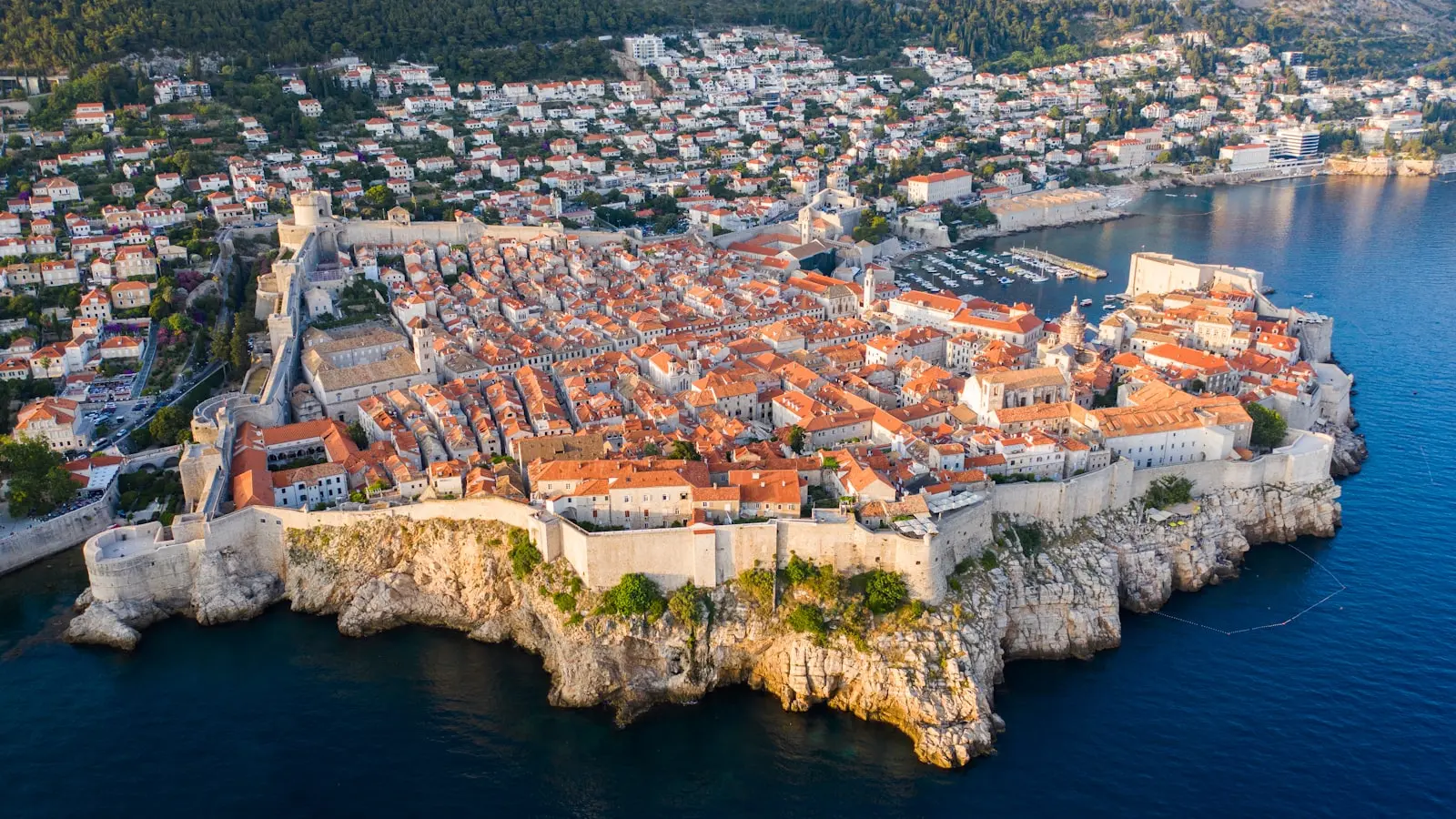
Walk the main thoroughfare, Stradun, at midday in July. The limestone pavement gleams under a crowd shuffling between gelato shops and souvenir stalls. A coffee at a terrace cafe sets you back €6. A ferry ticket to Lokrum Island, €15 round trip. The numbers stack quickly. (A family of four can drop €200 before lunch without trying.) Yet the architecture remains extraordinary: monastic cloisters, baroque churches, and the stark grey walls that rise 25 meters from the Adriatic. The city’s design—a fortified maritime republic compressed into a compact peninsula—creates a stage for spectacle. Every corner frames a view worth a postcard. But postcards don’t cost €35.
The core tension is between spectacle and sustainability. Dubrovnik’s Old Town is a UNESCO World Heritage site, and maintaining its fabric demands revenue. The city walls, built between the 12th and 17th centuries, require constant conservation. The tourist tax—included in accommodation—funds preservation. Yet the burden falls disproportionately on visitors, especially those traveling on tight budgets. For a backpacker spending €50 a day, a wall walk eats 70% of their budget. For a couple on a mid-range trip, it’s a splurge they can absorb. The city has become a filter: those who can pay the premium see the postcard; those who cannot may leave with resentment.
But the Reddit post also hints at a solution. The user made 200 photos in three days without feeling cheated. How? By prioritizing free viewpoints and avoiding peak spending traps. Banje Beach, just east of the Old Town, offers a panoramic view of the walls and the sea—free. The hilltop Fort Lovrijenac, often called Dubrovnik’s Gibraltar, costs €10 but is sometimes included in a combined ticket with the walls. Sunset from Mount Srđ, accessible by cable car (€27 round trip) or a 45-minute hike (free), delivers a skyline that rivals any paid attraction. (Hiking also bypasses the queue.) The real trick is to treat the city as a living museum to wander through, not a series of paid exhibits.
Food is another area where strategy matters. Tourist-heavy restaurants near the Pile Gate charge a premium for mediocre pasta. Locals and smart travelers head to the market at Gruž Harbor or small konobas like Zox Box, a takeaway spot serving fresh grilled fish and vegetables for under €10. Lapad, a peninsula a 15-minute walk from the Old Town, offers more affordable accommodation and dining without sacrificing atmosphere. The promenade there, lined with pine trees and beach bars, feels more relaxed and less polished—a counterpoint to the curated intensity of the Old Town. (One commenter on the Reddit thread noted that staying in Lapad allowed them to enjoy the views without the noise.)
The broader lesson is about design shaping behavior. Dubrovnik’s layout funnels visitors through a few choke points—the Pile Gate, Stradun, the wall entrance—where prices are highest. Step one street off the main axis, and the crowd thins, the costs drop, and the experience becomes more intimate. The city’s medieval planners built for defense, not commerce; the narrow alleys and hidden squares were meant to confuse invaders. Today, they confuse the casual tourist, but the savvy traveler learns to navigate them like a local. (The Reddit user took 200 photos—likely many in those forgotten corners.)
Peak season amplifies the cost pressure. July and August see cruise ships disgorging thousands of passengers daily, pushing accommodation rates to their peak and making free viewpoints crowded. Visiting in late September or early May drops prices by 30-40% and reduces the crush. The light still hits the walls the same way. The water is still warm enough to swim. And the postcard-perfect moments arrive just as frequently—without the price tag.
Is the high cost justified? For a single traveler on a shoestring, the arithmetic is harsh: €150 a day minimum for a decent experience. But for someone willing to walk, eat where locals eat, and sleep outside the walls, the city becomes affordable. The Reddit user’s conclusion—that they didn’t regret the expense—hinged on intention. They came for photography, not luxury. They prioritized experience over consumption. And the city rewarded them with images they couldn’t have captured elsewhere.
Dubrovnik is not a budget destination. It never was. But it is a place where careful planning unlocks the same sensory wealth that casual spending buys. The cost is high; the value depends entirely on how you move through the space. The walls are the same whether you paid €35 or walked the free fort. The sea is the same from Banje Beach or from a €300 hotel balcony. The city’s beauty is free to those who know where to look. The rest is just overhead.