The Question
A Reddit user, married for 20 years, posted a simple but loaded question: what exercise routine could help improve sex? The thread, still active, quickly evolved from generic gym advice into a rich discussion of couple-friendly workouts. Hundreds of users chimed in, not with isolated gym routines, but with partner squats, wheelbarrow walks, and synchronized stretching. The thread became a case study in how physical movement, when shared, reshapes intimacy.
The Mechanics of Shared Movement
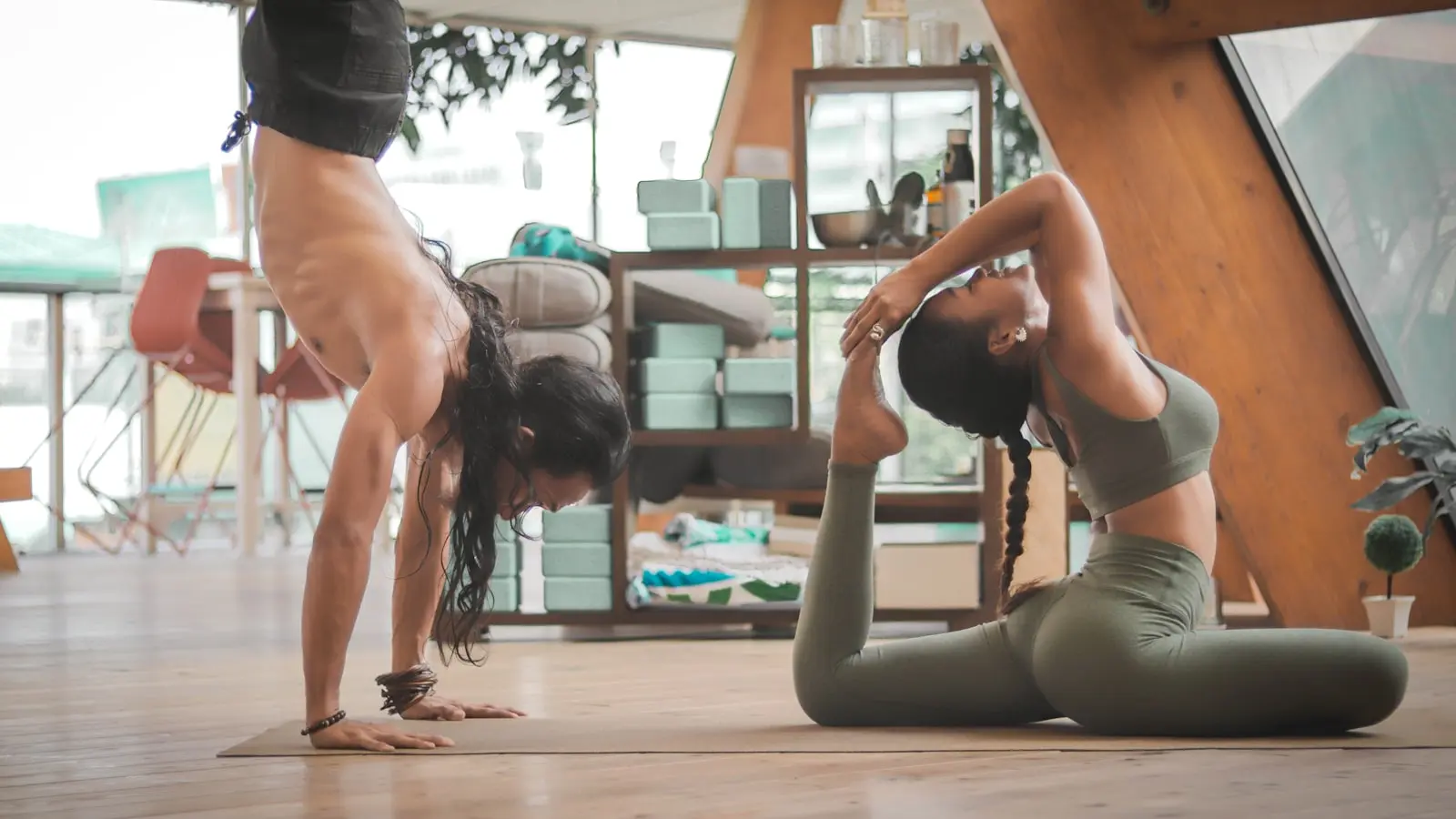
Partner squats require two people facing each other, holding hands or using a resistance band, and lowering into a squat together. The wheelbarrow walk — one partner holding the other’s ankles while they walk on their hands — demands trust and coordination. Synchronized stretching, where couples mirror each other’s movements, builds a non-verbal rhythm. These exercises mimic the dynamic positions used during sex, but they also train the body to respond to a partner’s cues under physical load.
A relationship coach who contributed to the thread emphasized that partner exercises release oxytocin, the bonding hormone, while reducing stress. Oxytocin directly benefits intimacy by lowering cortisol and increasing feelings of safety. (This is not just feel-good psychology; it’s biochemistry altering behavior.) The coach noted that couples who exercise together report higher relationship satisfaction, not because of endorphins alone, but because the shared effort creates a feedback loop of mutual support.
From Isolation to Connection
Many commenters admitted that traditional fitness routines felt isolating. One user wrote that after years of separate gym schedules, she and her husband had lost a sense of physical play. The couple-friendly approach reframes exercise as a shared ritual, not a chore. Apps like “Couple Yoga” and “Fit Couple” have emerged to guide these sessions, offering structured workouts that require two people. Even simple exercises — push-up alternating high-fives, where partners do a push-up and then slap hands with each other — can be effective in 15 to 20 minutes.
The Reddit post resonated because it touched on a common pain point: long-term relationships often suffer from a lack of novelty and physical connection. Workouts designed for couples fill that gap. They force partners to rely on each other, to synchronize breath and movement, and to laugh when they fall out of rhythm. (Thankfully, the thread was full of stories of falling, not perfection.)
The Design of a Shared Ritual
Consider the environment. A living room cleared of furniture, two yoga mats on the floor, soft lighting. The physical space sets the tone. Design shapes behavior, and the design of a workout routine — its duration, space requirements, and partner involvement — directly influences how couples relate. The most recommended exercises require no equipment, just a floor and a willingness to be vulnerable. This low barrier to entry removes excuses. A 15-minute partner workout before dinner or after the kids are asleep becomes a ritual that signals: we are in this together.
Couples who tried the exercises reported that the trust developed in a wheelbarrow walk translated directly to feeling more comfortable experimenting in bed. The coordination of synchronized stretching made them more attuned to each other’s breathing and tension. These are not abstract benefits; they are the result of practicing interdependence in a low-stakes environment.
Starting Small: Exercises for Beginners
For couples new to partner workouts, the key is to start with simple, low-impact movements. Seated partner twists: sit back-to-back, legs extended, and pass a cushion or ball from side to side. This builds coordination without strain. Standing partner hamstring stretches: face each other, place a foot on the other’s thigh, and lean forward together. These require balance and trust but are easy to modify. The thread’s most recommended starter was the partner squat, because it immediately teaches timing and weight distribution. Beginners were advised to use a chair for support until they found a rhythm.
The Reddit community also emphasized the importance of breathing in sync. Inhale together during the preparatory phase, exhale together during exertion. This simple act of synchronized breathing lowers heart rate variability and increases emotional attunement. It turns a physical task into a meditative one.
The Emotional Architecture of Trust
Trust is built incrementally, not in grand gestures. Partner exercises force small moments of reliance: one partner holds the other’s weight during a squat; one partner must steady the other during a balance pose. Each successful repetition reinforces a micro-contract: I will not let you fall. Over weeks, these micro-contracts accumulate. The body learns that the partner is safe. That feeling carries into the bedroom, where vulnerability is the foundation of intimacy.
The Reddit thread inadvertently documented a shift in how couples think about fitness — not as an individual pursuit, but as a relationship tool. One user summed it up: ‘We used to go to the gym separately and come home exhausted. Now we do ten minutes of partner stretches before dinner, and we actually talk more.’ The thread’s most upvoted comment was a simple reminder: ‘Your body is a vehicle for connection, not just performance.’
Beyond the Bedroom
The implications extend beyond sex. Shared physical activity builds a shared language. When a couple can read each other’s body language during a partner squat, they communicate without words. That skill carries over into arguments, into decision-making, into daily life. The exercise becomes a metaphor for cooperation: you move together or you collapse.
In an era where fitness is often commodified into apps and influencer challenges, the most human version of exercise might be the one you do with your hands on your partner’s shoulders, lowering into a squat together, breathing in sync. That is the architecture of lasting intimacy.
The Takeaway
The original user, married 20 years, likely got more than a list of exercises. They got a community affirmation that intimacy requires intention — and that a 20-minute workout can be that intention. For couples looking to rekindle physical and emotional connection, partner workouts offer a practical, design-driven solution. They are not a substitute for conversation or date nights, but they are a form of conversation, written in movement and breath.
The thread itself is a reminder that the most valuable knowledge often emerges from communal questions. What started as a private plea for advice turned into a blueprint for reconnecting. In the end, the best exercise for better sex is the one you do together.