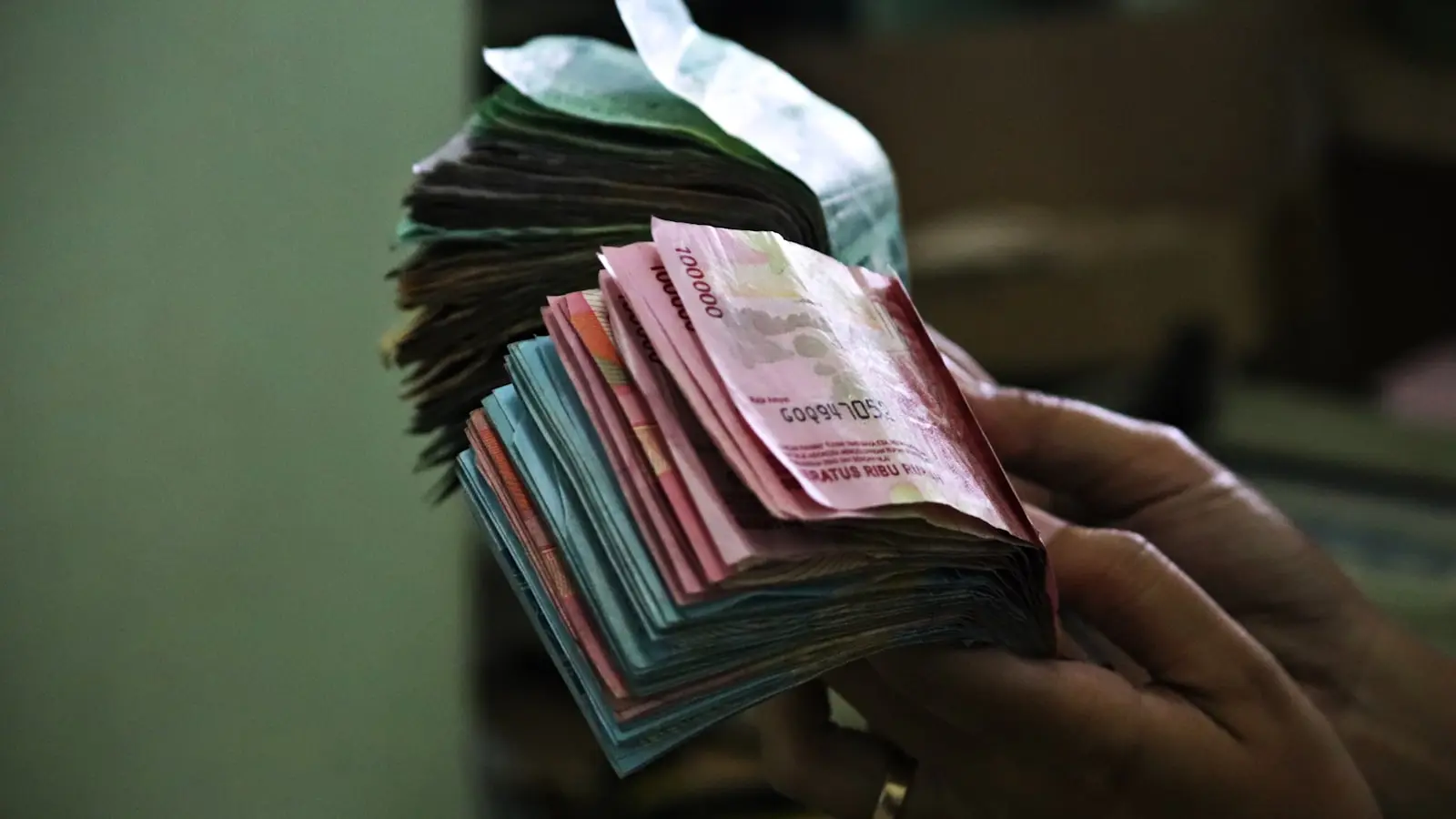
The Friction of Tangibility
When a user pulls out a tattered envelope at the grocery checkout, the friction is intentional. The cash envelope system, popularized by Dave Ramsey, demands that every dollar be physically assigned—groceries, gas, dining out. When the envelope empties, spending stops. In a world where swiping a card or tapping a phone is the default, this method feels archaic. Yet on Reddit’s r/personalfinance and r/Frugal, the debate persists: does physical cash still hold power over behavior, or is it an outdated relic in an increasingly cashless economy?
The system is simple: label envelopes for each budget category, withdraw the allotted cash from the bank each month, and spend only what is inside. No overdraft, no credit card float, no analytical abstraction. The money leaves your hand. (And that loss is visceral.) Proponents argue that the tactile nature creates a psychological penalty—spending feels real. Critics counter that inconvenience outweighs benefit: carrying wads of cash is risky, rewards cards go unused, and digital tracking apps like YNAB or Mint provide real-time analytics and categorization with zero wallet weight.
The Reddit Verdict
A 2025 thread on r/personalfinance laid the split bare. Of commenters, roughly 40% still swore by the envelope method. They cited its brutal simplicity—no app notifications, no subscription fees, no data mining. One user described the act of counting out twenties as a ritual that slows impulse buys. The other 60% preferred digital zero-based budgeting, where every dollar is assigned a job but lives as a number on a screen. The digital camp praised automation: recurring bills sync, categories roll over, and spending history reveals patterns that a stack of envelopes cannot.
Yet the divide is not purely generational. Older users who grew up with cash often favor digital for convenience; younger users, raised on plastic, sometimes adopt envelopes to cure what they call “the abstraction problem.” The dominant advice from the thread was pragmatic: adapt the method without using actual cash. Separate bank accounts, prepaid debit cards, or even a dedicated checking account for each category can mimic the envelope’s constraints. (Frankly, this is just envelope budgeting with a spreadsheet layer.)
Why Cash Still Works
The cash envelope system survives because it exploits a cognitive loophole. Behavioral economists call it the “pain of paying”—the discomfort felt when parting with physical currency. Card payments reduce that pain; digital wallets eliminate it entirely. The envelope method restores friction, and friction changes behavior. A shopper who sees the dining-out envelope thinning will cook at home—not because an app told them to, but because the envelope is literally empty. No alerts, no guilt-tripping graphs. Just scarcity.
But the method falters where cash is unwelcome. In 2025, many retailers are cashless or strongly discourage cash use. Street parking meters, toll roads, online subscriptions, and even some coffee shops reject bills. The user who tries to run all expenses through envelopes must maintain a backup card, which defeats the purpose. (Is this actually working?) The method also foregoes credit card rewards, which for disciplined spenders can mean hundreds of dollars in cash back or travel points per year.
Digital Adaptations
The most effective deviation from Ramsey’s original model is the “digital envelope” system. Apps like YNAB (You Need A Budget) explicitly borrow the envelope metaphor: each category is an envelope, and transferring money between them mimics the physical action. The user must “move” money before overspending—a click replaces the cash withdrawal. For those who need the tactile cue, some use prepaid reloadable cards, one per category, loaded monthly. (Thankfully, this retains the spending limit without the smell of old paper.)
Another adaptation involves separate bank accounts. One account for fixed bills, another for variable expenses, and a third for savings. Users can set up direct deposits to each account and use designated debit cards. This method lacks the visual emptiness of a physical envelope but adds a layer of compartmentalization that prevents one category’s overspill from ruining another. The trade-off is more accounts to manage.
The Verdict for 2025
The cash envelope system is not dead. It serves a specific psychological need: grounding spending in a non-digital, non-gamified reality. For a subset of users—those who find abstract numbers too easy to ignore—the weight of cash still regulates impulse. But the system must evolve. A pure cash-only approach is impractical for modern life. The hybrid model—using digital envelopes, separate accounts, or prepaid cards while retaining the budget-by-category logic—preserves the mechanism without the inconvenience.
Reddit’s 60/40 split reflects a broader truth: no single budgeting method works for everyone. The envelope method endures because it is simple, visual, and punitive in a way that feels fair. It fails when the environment refuses cash. The solution is not to abandon the principle but to translate it. As one user wrote: “The system isn’t about the paper. It’s about the limit.” (That is the core.)
A Future of Cashless Envelopes
Banking apps are starting to integrate envelope-style features. Digital wallets now allow sub-wallets for specific categories. The technology is catching up to the philosophy. Soon, the distinction between physical and digital envelopes may blur entirely. But the human need for friction remains. Design shapes behavior. The cash envelope system proved that constraint forces discipline. Whether that constraint comes from a paper sleeve or a screen makes less difference than the act of naming a limit and refusing to cross it.
Travelers and minimalists who embrace the method for a month often report a shift in awareness. Without the glide of a swipe, every transaction registers. A coffee costs more than the change in your pocket; it depletes a literal envelope. This visceral accounting may be the best argument for keeping a few envelopes in rotation—even if the rest of life runs on plastic.