The Price of Presence
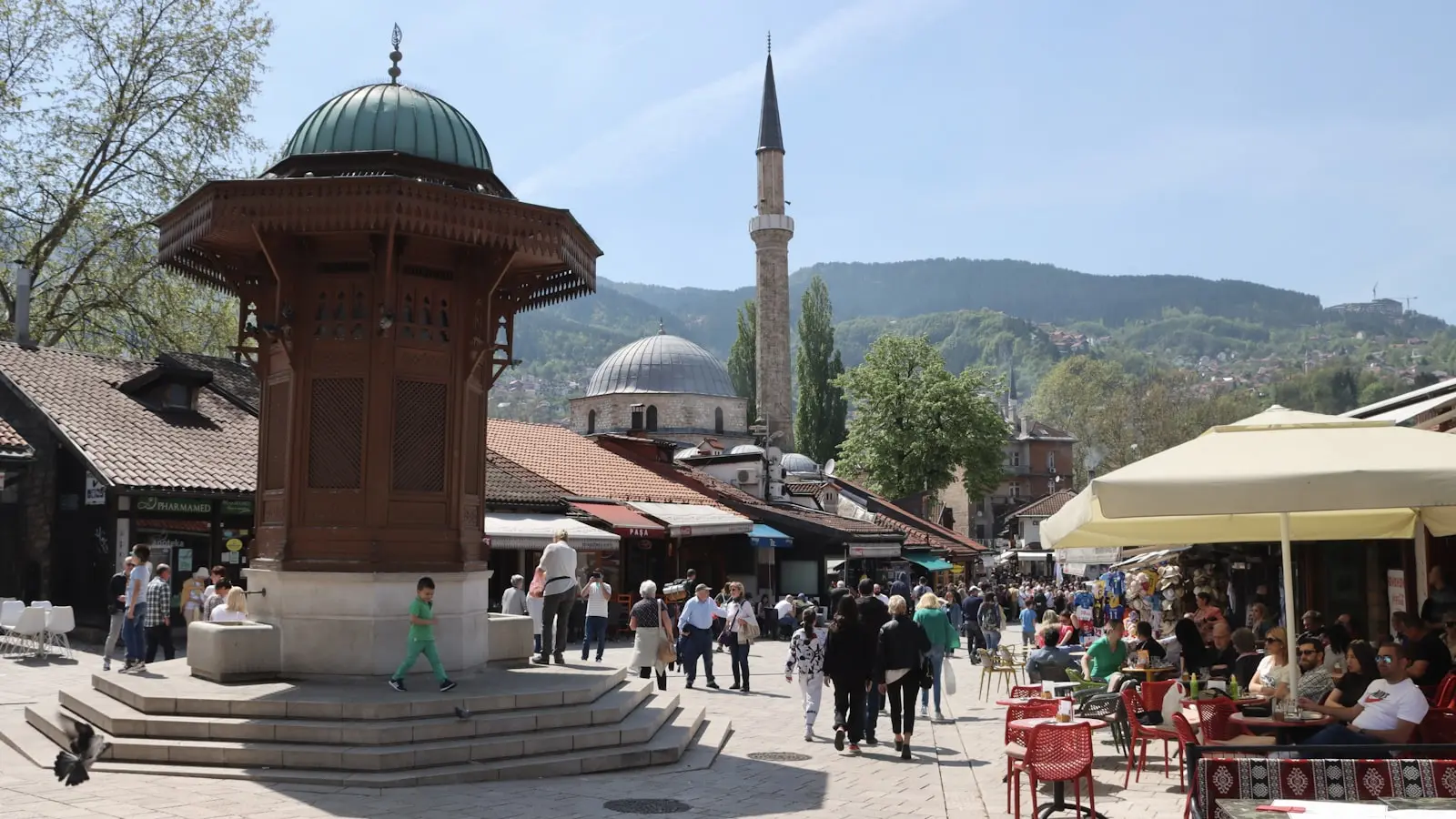
When the call to prayer fades over the cobblestones of Baščaršija, the real cost of travel becomes clear. It is not the flight, the hostel, or the bus ticket. It is the willingness to let a place reshape your pace. For those who dig past the surface of guidebook blurbs, Bosnia and Herzegovina delivers this transformation at a price point that challenges the logic of package holidays. A five-day itinerary splitting time between Sarajevo and Mostar can run under €250 total, if you let the city dictate its own rhythm.
The core insight comes not from a tourism board but from a thread on Reddit’s r/Shoestring community. An anonymous user sketched out a long weekend: three nights in Sarajevo, one in Mostar. No flights discussed. No hotel brand names. Just a structure built around public buses, bakery breakfasts, and walking. The comments that followed — seasoned travelers, expats, locals — sharpened the outline into a working budget. The numbers matter, but the philosophy matters more.
The Architecture of Thrift
Sarajevo does not hide. Its history is exposed in every mortar scar and bullet hole on the facades of the Miljacka River. The city demands that you walk. And walking is free. The Old Town’s maze of copper workshops, cevapi stands, and mosque courtyards unfolds without entrance fees. The Museum of the Assassination of Franz Ferdinand costs about €5. The Tunnel of Hope, a lifeline during the siege, charges €7. But the real education comes from standing at the point where Austro-Hungarian grids meet Ottoman bazaars — a collision of empires that shaped the city’s character.
Mostar is smaller, more compressed. The Old Bridge, a UNESCO site, is free to cross. But the surrounding souvenir shops and overpriced restaurants form a tourist trap that the Reddit thread warns against. One commenter notes: “Buy your burek from the bakery two streets behind the bridge, not the one with the English menu.” That single piece of advice saves €5 per meal and delivers a better product. The architecture of thrift is not about deprivation. It is about proximity to the real.
Breaking Down the Daily Burn
€50 per day covers a comfortable existence. Here is how the numbers stack, drawn from multiple user reports and cross-checked against local pricing:
- Accommodation: Hostel dorm or private room via booking platforms, €20–30. In Sarajevo, staying near the Old Town eliminates taxi costs. Mostar’s central zone is small enough that any location near the main pedestrian street works.
- Food: Breakfast at a bakery (burek, pita, or simit) plus a coffee, under €3. Lunch from a supermarket (cheese, bread, fruit), €4. Dinner at a local restaurant (grilled meats, soups, stews), €8–10. Total daily food: €15–17.
- Transport: Bus between Sarajevo and Mostar, €10 each way. Local tram or bus in Sarajevo, €0.50 per ride. Mostar is entirely walkable. Two bus tickets total: €20 for the trip, or under €4 per day.
- Activities: Museum entry, cable car to Trebević (€8 round trip), coffee at a traditional kafana (€1.50). Daily activity budget: €5–10.
- Miscellaneous: Water, snacks, SIM card (€5 for 20GB), €5 per day.
Sum: €45–55 per day. The Reddit thread’s consensus — €40–50 per day — holds. The headroom comes from skipping one restaurant meal for a picnic and avoiding alcohol in tourist bars (a local bottle of wine is €5, but the markups near the Old Bridge reach 300%).
The Cultural Logic of Budgeting
Why does this work? Because Bosnia’s design — its urban fabric, its food system, its transport — was never built for mass tourism. The Ottoman-era market streets force slow commerce. The bakeries serve workers and students, not travelers. The bus network connects cities with reliable frequency because locals depend on it. When a place is not engineered around the visitor, the visitor adapts. And adaptation is the root of immersion.
Consider the coffee ritual. In Sarajevo, a Bosnian coffee (džezva, copper pot, sugar cube) costs €1 and lasts an hour. The waiter will not rush you. The space — low tables, cushioned benches, a courtyard with grapevines — encourages stillness. Compare that to the €3 espresso at a chain café in Western capitals, consumed standing, designed for throughput. The economic difference is trivial. The experiential difference is vast. Budget travel here is not a compromise. It is a portal.
The Trap of the Old Bridge
Mostar’s Old Bridge is a masterpiece. But the restaurants that face it operate on a different logic. They rent space, pay premium rents, and charge accordingly. A plate of grilled vegetables and cheese costs €12. Two blocks away, a family-run konoba charges €7 for the same dish plus a garden view. The Reddit commenters are ruthless on this point: “Eat where the workers eat, not where the tourists photograph.” That advice applies to More than food. The souvenir stalls selling fake Ottoman slippers for €20? The real coppersmiths in the Kujundžiluk side street sell authentic hand-hammered trays for €15. The difference is time and intention.
The Emotional Architecture
Sarajevo teaches patience. The city’s scars are not hidden. The Holiday Inn, now a landmark of the siege, still bears bullet marks. The memorial to the children killed by mortar fire sits quietly in Markale. These are not attractions. They are textures. A budget traveler who walks these streets slowly, without the buffer of a tour group or a luxury hotel, feels the weight differently. The cost of that experience is zero. The return is immeasurable.
Mostar offers a different lesson: the tension between resilience and revival. After the war, the Old Bridge was reconstructed with original stones, using Ottoman methods. The result is not a replica but a continuation. The dive from the bridge — a tradition performed by local men for tips — is a performance of survival. Watch it from the bank, not the paid viewing platform. Pay nothing, understand everything.
The Data Behind the Dollars
Numbers alone do not tell the story. But they frame it. A study by the World Travel & Tourism Council notes that Bosnia’s tourism GDP grew 8% annually from 2015 to 2020, yet average spending per visitor remains one of the lowest in Europe — roughly €45 per day. That aligns with the Reddit consensus. The low spend is not a sign of low quality. It is a sign of low cost of living and a travel culture that has not yet been commodified. The moment Bosnia becomes a “destination” on Instagram, prices will rise. That tipping point may be two or three years away.
The Practical Checklist
For the traveler who wants to see Bosnia without wasting money or missing meaning:
- Book accommodation within the central walking zones. Sarajevo: neighborhoods of Baščaršija, Bistrik, or Marijin Dvor. Mostar: anywhere between the Old Bridge and the Spanish Square.
- Eat breakfast at a bakery. Look for “pekara” signs. Burek with cheese, yoghurt on the side, under €2.
- Pack a reusable water bottle. Tap water is safe in both cities, and public fountains are common.
- Take the 8 AM bus from Sarajevo to Mostar. The two-hour ride winds through the Neretva canyon. The light is best in the morning. Ticket: €10 via Centrotrans.
- Skip the Old Bridge restaurant row. Walk two streets inland. Ask a local where they eat cevapi. The answer will be “under the steel shed” or “near the old gym.” Trust it.
- Use cash. ATMs charge €2–3 per withdrawal. Withdraw €100 at once. Many bakeries and small shops do not take cards.
- Respect the cemeteries. The marble-white headstones in Mostar and Sarajevo mark the war dead. Do not photograph them as backdrops. The silence is part of the cost.
The Return
Five days in Bosnia is not enough. But it is enough to shift a perspective. The traveler who leaves having spent €250 total does not leave feeling cheated. They leave having participated in a system that values presence over consumption. The baker who hands over a warm burek at 7 AM does not smile for a tip. She nods, knowing you showed up early. The bus driver who shouts out the next stop, even though the speaker system works, does so out of habit. A habit of connection.
That is the soul of budget travel in Bosnia. It is not about how little you can spend. It is about how much you can see when the noise of luxury is stripped away. And at €50 a day, the noise disappears. Only the city remains.