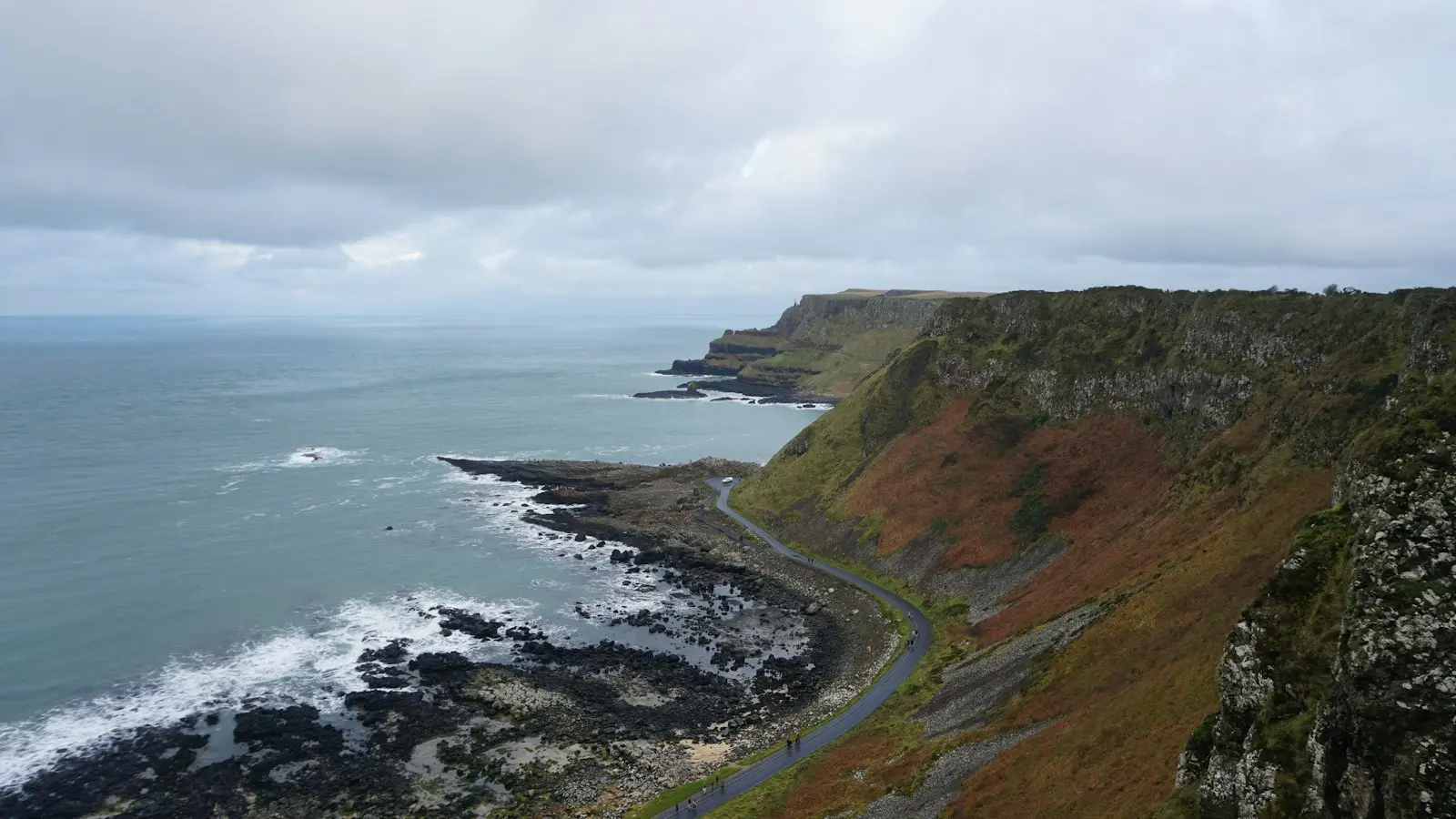
Ireland is best approached with a weather-flexible plan, not a sunshine guarantee. Pack adaptable layers, build indoor alternatives into scenic days, leave extra time for driving, and use short-range forecasts to decide what is sensible on the day.
That approach matters because a single sunny trip can create an unrealistic baseline. Ireland can offer bright skies, soft cloud, showers, wind, and mist during one travel day, sometimes with noticeable differences between nearby locations. The aim is not to pretend that rain never matters. It is to make sure a wet or windy spell does not dismantle the entire itinerary.
Key Takeaways
- Pack a breathable layering system, a genuinely waterproof jacket, comfortable footwear, and spare socks.
- Pair exposed scenic stops with nearby museums, heritage sites, galleries, food experiences, or town visits.
- Use local forecasts and official warnings to judge activities, especially driving, hiking, ferries, and coastal walks.
- Treat September and other popular travel months as trade-offs rather than guarantees of good weather.
- Build flexibility into bookings and schedules so poor visibility, wind, or rain can change the plan without ruining the day.
1. Set realistic expectations for Irish weather
Irish weather can change quickly enough that the conditions you meet at breakfast may not be the conditions waiting at a coastal viewpoint later. Sunshine can give way to cloud or rain, while a damp morning may become brighter by afternoon. Wind and fog can also matter as much as precipitation, particularly in exposed landscapes.
The useful distinction is between manageable inconvenience and a genuine reason to change plans. A short shower may simply mean putting on a shell and waiting ten minutes in a café. Strong wind, poor visibility, standing water, or difficult road conditions can make a cliff walk, ferry crossing, mountain route, or remote drive a poor choice.
Cloud is not automatically bad news. Soft, shifting light can bring texture to green hills, stone walls, beaches, and coastal scenery, and it can make photographs feel more atmospheric than they would under a flat blue sky. But low cloud that hides a mountain, heavy rain that obscures a headland, or saturated paths that become unpleasant underfoot can reduce the value of a planned excursion.
This is the central principle behind good Ireland weather travel tips: judge the activity, not just the forecast label. “Rain” means something different for a museum visit, a two-hour cliff walk, and a narrow rural drive.
2. Pack an Ireland travel layering system
The most reliable Ireland travel wardrobe is modular. Instead of one very heavy coat, use a comfortable base layer, a warm mid-layer, and a genuinely waterproof outer layer that can be added or removed as conditions change.
A practical system might include quick-drying T-shirts or lightweight long sleeves, a fleece or thin insulated layer, and a waterproof jacket with a hood. The outer layer should be designed to keep out sustained rain rather than merely repel a brief drizzle. A jacket that wets through can turn a mild day into a cold one once wind picks up.
For Ireland rainy weather packing, footwear deserves as much attention as the jacket. Choose comfortable shoes or boots with dependable grip and some water resistance, especially if your itinerary includes uneven paths, muddy ground, or long days outdoors. New footwear is a poor gamble: blisters can ruin a trip more efficiently than rain.
Carry spare socks in your day bag. They take little space and are disproportionately useful after a wet walk. A small dry bag or waterproof pouch can protect a phone, passport, camera, or spare layer inside a backpack; a rain cover for the bag adds another layer of protection when showers are persistent.
An umbrella is optional rather than essential. It can be useful in towns, for short walks between restaurants and accommodation, or during light rain. In exposed coastal areas or strong wind, however, it may be awkward and unreliable. It should not replace a waterproof jacket.
Sunscreen still belongs in the bag. Cloud reduces the impression of heat but does not eliminate sun exposure, particularly during long outdoor days. Sunglasses can also be useful when bright breaks appear unexpectedly.
A light, weather-ready daily kit might include:
- A waterproof jacket with a hood
- One warm mid-layer
- Quick-drying tops and trousers
- Comfortable water-resistant footwear
- Spare socks in a sealed pouch
- A compact day-bag cover or dry bag
- Sunscreen and sunglasses
- A small umbrella if most of your time is in towns
- A reusable bottle and a way to separate wet clothing from dry items
The goal is not to pack for every possible season. It is to pack pieces that can be combined, removed, dried, and reused.
3. Build weather-resilient routes and bookings
A robust itinerary pairs exposed activities with nearby sheltered options. For example, a coastal viewpoint or short walk can be followed by a historic house, museum, gallery, food experience, or town visit. A countryside day might include a heritage attraction or local meal rather than relying entirely on a long hike.
“Nearby” is the important word. A backup activity several hours away is not a practical backup when rain has already slowed the morning. Before committing to a scenic stop, identify one or two alternatives in the same area and check their current opening times, seasonal schedules, reservation rules, and weather-related cancellation policies.
Avoid stacking several weather-sensitive activities on one day. A plan involving a cliff walk, boat trip, mountain viewpoint, and long coastal drive may look efficient on paper, but it leaves little room when visibility deteriorates or an operator cancels. Choose one main outdoor experience and give the rest of the day a more adaptable shape.
Flexible bookings can be valuable, particularly for ferries, outdoor tours, and activities with visibility or wind restrictions. Flexibility does not mean ignoring the booking conditions. Check the final cancellation deadline, whether weather cancellations are handled by the operator, and what happens if you decide not to travel because conditions feel unpleasant rather than officially unsafe.
For Ireland road trip weather, add time buffers rather than trying to maintain a tightly timed route. Rain can reduce visibility, while fog, wind, wet surfaces, standing water, unfamiliar roads, and slow-moving traffic may all make a journey take longer than a map suggests. Rural roads can be narrow and demanding even in good conditions.
Follow official warnings and local instructions. If high winds, flooding, ice, severe weather, or very poor visibility are forecast, replace or postpone exposed activities and reconsider non-essential driving. No photograph or scheduled viewpoint is worth pushing through conditions that make the route unsafe.
Alternating the character of your days is also sensible. Follow a long coastal or hiking day with a town, food, cultural, or indoor day. This gives wet clothing a chance to dry and prevents the trip from becoming a test of endurance.
4. Account for regional and seasonal differences
Broadly speaking, the Atlantic-facing west tends to feel more exposed to ocean weather, particularly along open coastlines and elevated ground. The south and east can offer different local conditions, while inland areas have their own variations. These are tendencies, not guarantees: Ireland’s weather can be highly localized, so the forecast for the actual destination matters more than a national generalization.
A route can move from a bright town to a wet headland within the same day. Coastal exposure, elevation, wind direction, and passing showers all affect the experience. Pack and plan for the most exposed part of the itinerary, not only for the conditions outside your hotel that morning.
The best time to visit Ireland therefore depends on priorities rather than a universal ranking. Longer daylight and generally more outdoor-friendly conditions may appeal to hikers and road trippers, while shoulder-season travel can offer a different balance of availability, atmosphere, and visitor numbers. Cooler or wetter months may suit travelers who are happy to emphasize cities, pubs, food, museums, and heritage attractions.
September is a sensible month for many visitors because it can work well for touring, walking, and mixed indoor-outdoor itineraries. It is not a promise of extended sunshine, however. One unusually warm and dry September should be treated as fortunate weather, not as a reliable expectation for every year or every region.
When choosing dates, ask what you would still enjoy if several days were cloudy or showery. If the answer includes local food, historic sites, music, galleries, towns, and short walks between showers, your itinerary is likely to be resilient. If the entire trip depends on clear views from exposed cliffs, mountain summits, or long ferry crossings, weather has a much larger role in the decision.
5. Use forecasts to make decisions, not predictions
Forecasts are most useful when matched to the decision you need to make. Use broader outlooks while shaping a trip, but avoid treating them as a detailed promise for a particular viewpoint several days ahead. As the date approaches, use the latest local forecast to decide what to wear, which route to take, and whether an outdoor activity remains worthwhile.
On the day before a major outdoor plan, check the forecast for the specific area rather than relying on conditions in Dublin, Cork, Galway, or another distant city. On the morning itself, look for wind, visibility, rain intensity, flooding concerns, and official warnings, not only the headline temperature.
A simple daily process works well:
- Identify the day’s most weather-sensitive activity.
- Check the local forecast and any official warnings.
- Decide what conditions would make that activity unpleasant or unsafe.
- Choose a nearby indoor or sheltered alternative before leaving.
- Allow extra travel time and confirm opening or cancellation information.
For ferries, boat tours, guided walks, and attractions with seasonal hours, confirm details directly with the operator. Opening information can change, and a weather-dependent activity may be altered or cancelled at short notice. A reservation is useful, but it is not a reason to disregard local instructions.
Frequently asked questions
Is September a good time to visit Ireland if I am worried about rain?
Yes, September can be a sensible choice for a mixed trip, but it should not be sold as reliably sunny. It may suit travelers who want to tour, walk when conditions allow, and combine outdoor scenery with towns, heritage attractions, food, and indoor activities. Pack for changing weather and keep the most exposed plans flexible.
What should I pack for rainy and changing weather in Ireland?
Prioritize a waterproof jacket, comfortable water-resistant footwear, quick-drying layers, a warm mid-layer, and spare socks. Add a dry bag or bag cover for electronics and documents. An umbrella can help in towns but is less dependable in exposed wind. Sunscreen remains useful during bright breaks.
How should bad weather change an Ireland road trip itinerary?
Slow the schedule down, add time buffers, and replace exposed stops when wind, flooding, fog, ice, or poor visibility creates a concern. Avoid driving long distances simply to preserve a scenic plan that no longer makes sense. Choose a nearby museum, heritage site, gallery, food stop, or town instead, and follow official road and weather guidance.
Can cloud or light rain improve sightseeing?
Sometimes. Cloud and soft light can add atmosphere and definition to landscapes, while a brief shower may pass without disrupting a walk. But heavy rain, strong wind, low cloud, or saturated ground can make a viewpoint or trail substantially less enjoyable. The right response is judgment, not forced optimism.
Ireland’s weather is unpredictable, but your trip does not have to be. A few useful layers, realistic driving times, flexible bookings, and a nearby alternative for each major outdoor plan can turn changing conditions from a trip-wide threat into one variable among many.