When planning a trip to South Korea’s second-largest city, the question of timing is not a trivial detail. It is the difference between walking through Gamcheon Cultural Village under a crisp, clear winter sky and dodging a sudden monsoon downpour in the middle of July. The Reddit travel community, particularly in r/korea and r/travel, has dissected this question with the obsessive precision of people who have learned the hard way. The consensus is not unanimous, but it is clear: spring and autumn hold the keys to the city’s best face. Yet, every season in Busan carries its own logic, its own mood, and its own trade-offs.
The Seasonal Arithmetic of Busan
Busan sits on the southeastern tip of the Korean Peninsula, its climate moderated by the Korea Strait. Unlike Seoul, which swings between bitter continental winters and suffocating humid summers, Busan benefits from coastal breezes that soften extremes. But moderation does not mean predictability. The city experiences a full four-season cycle, each demanding a different set of expectations. The average temperature in January hovers around 2°C (36°F), while August pushes past 26°C (79°F). Humidity spikes in summer, and late August brings the looming threat of typhoons sweeping up from the Pacific. The question, then, is not simply about temperature—it is about what you want the city to feel like.
Spring: The Window of Cherry Blossoms and Mild Breezes
April and May emerge as the most consistently praised months across Reddit threads. The air carries a light saltiness from the coast, the humidity has not yet arrived, and the cherry blossoms along the Nakdong River create a haze of pink that feels almost staged. Users on r/korea note that the city’s famous beaches—Haeundae and Gwangalli—are not yet overcrowded, but the weather is warm enough for a long walk on the sand without needing a jacket. The real draw, however, is the landscape. Spring light in Busan is soft and golden, ideal for photography of the colorful Gamcheon houses perched on the hillside. One Reddit user described April as “the only time when the city feels both alive and quiet.” The downside? Spring is short. By late May, the humidity begins to creep in, and the tourist numbers climb. For those who prioritize clarity of sky and comfort of movement, this window is the safest bet.
Summer: The Season of Monsoon and Beach Fever
June brings the yangma, the East Asian monsoon season, and with it a curtain of rain that can last for days. Temperatures climb into the high 20s (°C), but the real enemy is the humidity ratio—often exceeding 80%. Reddit locals are blunt: avoid August if you can. One user wrote, “August is basically a wet blanket. You sweat through your shirt before you reach the subway station.” Yet, summer is not without its advocates. The beaches finally come alive. Haeundae Beach fills with umbrellas and the sound of portable speakers. The Busan Sea Festival in August turns the shoreline into a stage for pop concerts and sports competitions. The catch: you must be willing to risk rain, oppressive heat, and the occasional typhoon warning. For those who see a beach holiday as a gamble, summer offers high stakes. But the city’s energy during these months is undeniable—a kind of reckless joy that only emerges when the humidity becomes a shared experience.
Autumn: The Golden Season of Festivals and Clear Horizons
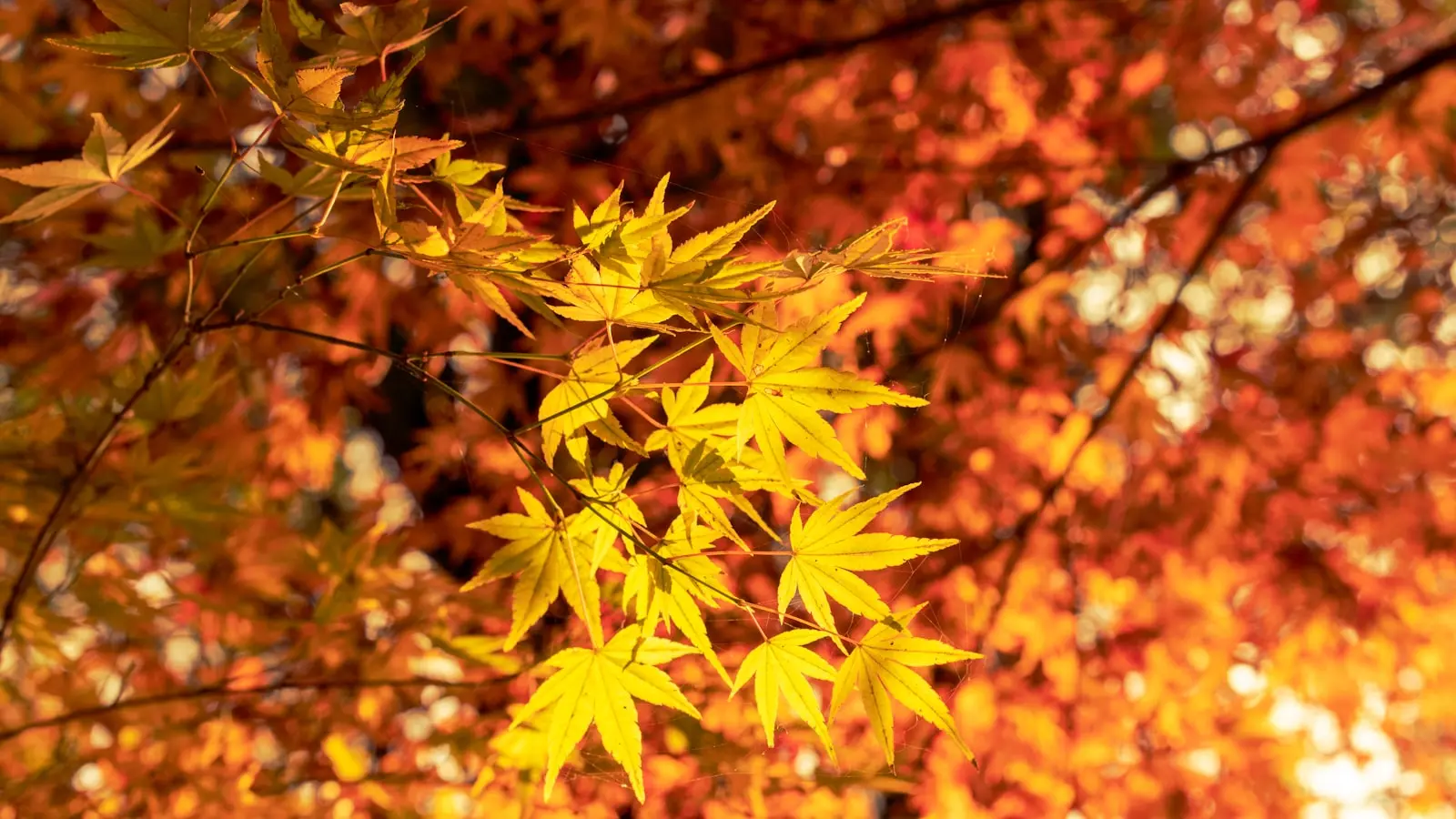
September and October rewrite the narrative. The monsoon retreats, the humidity drops, and the city exhales. Temperatures settle into a comfortable 15-22°C (59-72°F), and the skies turn a deep, unbroken blue. This is the season that dominates the “best time to visit” discussions on Reddit. October, in particular, draws rave reviews for the Busan International Fireworks Festival, where the Gwangandaegyo Bridge becomes a backdrop for explosions of light over the water. The air is cool enough for a jacket, warm enough for a stroll along the coast. The autumn foliage in the surrounding mountains—especially at Beomeosa Temple—paints the slopes in red and gold. Reddit users recommend booking accommodations months in advance, as the festival draws crowds that rival summer’s peak. The trade-off: autumn is short. By mid-November, the crisp air begins to bite, and the city starts its slow retreat into winter. But for three weeks, Busan achieves a near-perfect equilibrium of weather, culture, and crowd density.
Winter: The Quiet Season of Sharp Light and Empty Streets
December through February transforms Busan into a different city. The crowds vanish. The beaches empty. Temperatures drop to 0-5°C (32-41°F), but the wind off the sea can cut through layers. Reddit travelers who visit in winter often describe it as a secret: the Gamcheon Cultural Village, usually packed with selfie sticks, becomes a labyrinth of quiet alleyways and empty staircases. The light in winter is low and sharp, casting long shadows that make the pastel houses look like they belong in a film still. The downside is that many outdoor attractions—like the Taejongdae Cliff and coastal walks—are less comfortable, and the famous seafood markets feel less vibrant when the air nips at exposed skin. But for photographers and introverts, winter offers a gift: Busan, almost empty, reveals its bones. One Reddit user wrote, “If you want to see Busan without the noise, go in January. You’ll freeze, but you’ll see it.”
The Festival Factor and Local Nuance
The Reddit consensus also highlights that festivals can override seasonal drawbacks. The Busan International Film Festival (BIFF) in October attracts cinephiles from across Asia, and the city turns the area around Nampo-dong into a sprawling red-carpet event. The weather in early October is nearly perfect, but the crowds are intense. Similarly, the Busan Christmas Tree Festival in December lights up the streets of Jung-gu, offering a festive atmosphere that softens the winter chill. Locals on Reddit frequently advise checking the festival calendar before booking, as these events can define the character of a trip more than the temperature.
The Verdict from the Threads
Scrolling through dozens of Reddit threads reveals a pattern: the people who loved Busan most visited in late April or early October. The people who regretted it visited in July or August. The people who visited in winter felt they had a secret. The decision ultimately depends on what a traveler wants from the experience. For outdoor exploration, street photography, and unhurried café sittings, spring and autumn are the clear winners. For beach parties and night markets, summer offers a unique, if sweaty, energy. For solitude and sharp visual clarity, winter delivers a raw version of the city.
Practical Takeaways for Planning
Airlines and hotels in Busan follow seasonal pricing patterns. Spring and autumn command higher rates, especially during peak cherry blossom or foliage weeks. Summer offers discounts if you are willing to book last minute and tolerate the rain. Winter is the cheapest season, with many accommodations dropping rates by 30-40%. Reddit users advise packing layers regardless of season—the coastal wind can turn a pleasant day into a chilly one within minutes. For those who cannot avoid summer, early June is marginally better than August. For those who crave a balance, the second week of October is frequently cited as the sweet spot.
Final Reflection
Busan is not a city that hides its seasons. Each one presses its own stamp onto the cliffs, the beaches, and the narrow stairways of the old town. The Reddit travel community, with its collective memory of missed forecasts and serendipitous discoveries, offers a kind of guidebook that no hotel brochure can replicate. The best time to visit Busan is not a single date on a calendar—it is the moment when a traveler’s priorities align with the city’s seasonal rhythm. And that alignment, once found, makes the trip feel less like tourism and more like a conversation with the place itself.