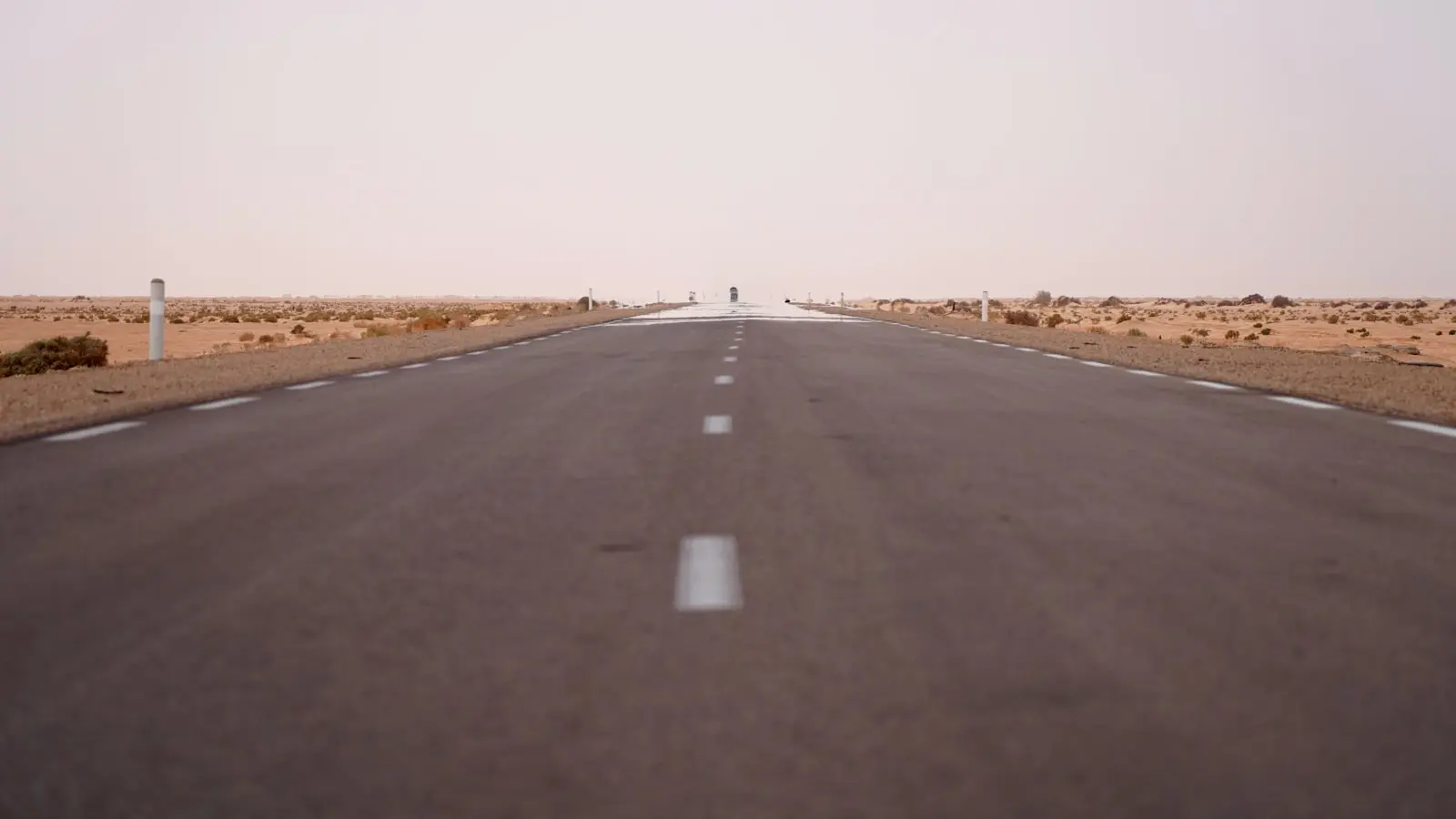
A Tunisia driver or rental car can both work well. The better option depends on your route, group size, driving confidence, and tolerance for long days behind the wheel.
A rental car gives you control over stops, timing, and detours, but it also makes you responsible for navigation, parking, fuel, deposits, insurance, and fatigue. A private driver can cost more, especially for one traveler, but may make a fast multi-region itinerary feel substantially easier.
Key Takeaways
- A rental car usually suits travelers who want independent stops and are comfortable managing unfamiliar roads and rental terms.
- A private driver is often more attractive for dense, long-distance routes, groups sharing costs, or travelers who want to avoid driving fatigue.
- Compare total trip costs, not headline rates: insurance excess, deposits, fuel, parking, waiting time, overtime, and overnight driver expenses can change the result.
- A driver is not automatically a licensed guide, and a standard rental is not automatically permitted for unpaved or off-road desert travel.
- A hybrid plan—self-driving easier northern sections and booking transport for demanding southern days—can offer the best balance.
Start With the Route Because Ambitious Loops Change Everything
Tunisia can look compact on a map, encouraging an ambitious circuit through Tunis, El Jem, Matmata, Douz, Tozeur, Kairouan, and Cap Bon. In practice, this combines city exits, long intercity roads, desert gateways, hotel check-ins, and heritage stops that deserve more than a rushed visit.
Map estimates are only a starting point. They do not fully account for fuel stops, meals, traffic, parking, photography breaks, or time spent reaching accommodation after dark. Repeated backtracking can quietly turn a sightseeing itinerary into a series of long transfer days.
Self-drive tends to work best for shorter northern or coastal loops with several overnight stays. A slower route around Tunis, nearby historic areas, Cap Bon, or the coast leaves room for spontaneous stops without requiring constant timetable management.
A private driver becomes more compelling on a fast route linking Roman sites, Kairouan, Matmata, Douz, and the oasis region around Tozeur. When several long days follow one another, handing over the driving can preserve energy for the places you traveled to see.
One-way itineraries need extra scrutiny. A rental may involve a return-location fee or require you to double back, while a driver may charge for returning to their base after drop-off. Request the full cost before assuming a one-way route is the efficient choice.
Build buffer time into every transfer day. Avoid placing a major archaeological visit or time-sensitive desert activity immediately after a long drive, and confirm current opening arrangements, road conditions, and seasonal access before locking in daily plans.
Tunisia Self-Drive Gives You Freedom but Also a Job
The strongest case for Tunisia self-drive is autonomy. You can leave when you want, stop at a village café, linger at a viewpoint, or change your plans without renegotiating the day with anyone else.
That flexibility can be especially valuable for couples, families, and travelers who prefer a slower rhythm. A rental car also gives you privacy between destinations and makes it easier to choose accommodation outside a fixed tour route.
The trade-off is operational responsibility. In and around Tunis, drivers may need to manage busy traffic, unfamiliar road layouts, parking, and navigation while staying focused on the road. Long distances, heat, and several consecutive driving days can make flexibility feel less appealing by late afternoon.
Prepare before leaving major towns. Download offline maps, charge phones, carry drinking water, and avoid assuming that fuel, mobile signal, or roadside services will be equally convenient on every stretch. Night driving is best avoided when possible, particularly after a full day of touring.
Choose the vehicle for your actual route rather than for the image of a desert road trip. A compact, air-conditioned car can be suitable for paved city, coastal, and intercity routes. Families, groups with luggage, or travelers planning long hot days may be better served by a larger car with more rear-seat comfort and storage.
Do not assume that a desert itinerary permits off-road driving. Ask the rental company exactly where the vehicle may be driven, whether unpaved roads are excluded, and what recovery support applies. Do not take a standard rental onto sand tracks or remote terrain simply because a route appears passable online.
At pickup, photograph the car’s condition and inspect the tires, spare wheel, jack, and basic tools. Confirm the fuel-return policy, mileage limits, emergency contact number, additional-driver rules, cross-border restrictions, and the procedure for mechanical trouble or damage.
Rental policies vary. Confirm directly with the selected company which license it accepts, whether an International Driving Permit is required or recommended, the minimum age and license-holding period, accepted payment cards, required documents, security-deposit hold, and insurance excess.
A Tunisia Private Driver Buys Back Energy and Local Logistics
A Tunisia private driver is most valuable when the road itself is not the holiday. Instead of navigating, parking, and calculating fuel stops, you can rest between destinations and arrive at your hotel without another logistical task to solve.
That can matter on a dense itinerary. A driver may help sequence stops more realistically, communicate with hotels or restaurants, and handle minor transport problems in the local language. On long days, this support can make the trip feel less like a driving assignment.
However, not every driver service offers the same thing. An airport transfer is point-to-point transport. A full-day hire may include waiting at agreed stops, while a multi-day arrangement can involve daily hour limits, mileage caps, driver meals, and overnight accommodation.
A driver is not automatically a qualified guide. Some may share useful local knowledge, but formal interpretation at heritage sites may require a separately booked licensed guide. If historical context is important, arrange it explicitly rather than assuming it is included with transport.
Get the agreement in writing. The quote should identify the route, dates, pickup points, vehicle type, passenger capacity, luggage capacity, air conditioning, and whether waiting time at sites is included.
Also ask whether the price includes fuel, parking, tolls where applicable, overtime, driver accommodation and meals on overnight routes, cancellation terms, and gratuities. Confirm maximum daily hours and kilometers, payment timing, language ability, vehicle insurance, and what happens if the route changes.
A good driver can be flexible, but flexibility works best when expectations are agreed in advance. If you want complete freedom to turn every afternoon into an improvised detour, a rental car may still be the stronger fit.
Compare Real Tunisia Road Trip Costs Rather Than Daily Rates
Tunisia road trip costs are easiest to assess when you price the same itinerary two ways. Do not compare a low rental headline rate with an unclear driver estimate. Compare total transport costs for the same dates, route, passenger count, luggage, and vehicle size.
For a rental, include the daily rate, insurance upgrade or excess, deposit hold, extra-driver fee, fuel, parking, mobile data or navigation, child seat, and any one-way charge. A deposit hold may not become a final cost, but it can reduce the credit available during your trip.
For a driver, confirm the quoted transport price and whether it includes fuel, parking, waiting periods, overtime, tolls, overnight driver costs, tips, guide services, and entry tickets. A private van may be expensive for one traveler but more competitive when a family or small group divides the bill.
The lowest price is not always the best value. A cheap rental can carry a high excess or strict card requirement, while a low driver quote may exclude fuel or assume shorter working days than your route requires. Ask for like-for-like written quotes, then weigh the final cost against the time and energy each option preserves.
Choose by Travel Style and Tunisia Itinerary Transport Needs
| Traveler type | Usually the stronger fit | Why |
|---|---|---|
| Solo traveler on a tight budget | Rental or selective transfer days | A rental may reduce direct transport costs, but deposit and insurance exposure matter. A driver for one difficult day can be a practical compromise. |
| Couple with a relaxed itinerary | Rental car | It supports detours, slow mornings, and independent overnight choices. A driver becomes more attractive when long transfer days dominate. |
| Family or group with luggage | Compare rental and private van closely | Divide driver costs across the group, while comparing child-seat availability, rear-seat comfort, and baggage space. |
| Confident international driver | Rental on paved, well-paced routes | Self-drive retains flexibility if the driver accepts navigation, parking, and fatigue responsibilities. |
| First-time visitor uneasy with traffic | Private driver | A driver may offer a better trade-off on a rapid cross-country route or after several long travel days. |
| Traveler seeking heritage context | Driver plus qualified guide where needed | Transport and formal guiding are separate services; book interpretation specifically if it matters. |
A hybrid approach can be the most sensible answer. You might rent a car for an easier northern or coastal section, then pre-book a driver, transfer, or authorized excursion for a particularly long or specialized southern day.
Choose a rental car when autonomy is worth the work. Choose a driver when local logistics, reclaimed energy, and smoother long-distance days matter more than unrestricted control.
FAQs
Do I need an International Driving Permit to rent a car in Tunisia?
Possibly. Some rental companies may accept a valid home-country license, while others may request or strongly recommend an International Driving Permit. Confirm the current requirement with the specific provider before booking, along with age, license-duration, card, deposit, and insurance rules.
Is hiring a private driver in Tunisia cheaper than renting a car?
Not automatically. A driver can be costly for a solo traveler but more reasonable for a couple, family, or small group sharing the vehicle. Compare complete trip costs, including rental insurance exposure and driver fuel, waiting time, and overnight expenses.
Can I drive a rental car to Tunisia’s desert areas?
You may be able to use approved paved roads to reach desert gateway towns, but do not assume that a rental contract permits unpaved, remote, or off-road travel. Confirm route restrictions, vehicle suitability, insurance coverage, and recovery assistance before leaving paved roads.