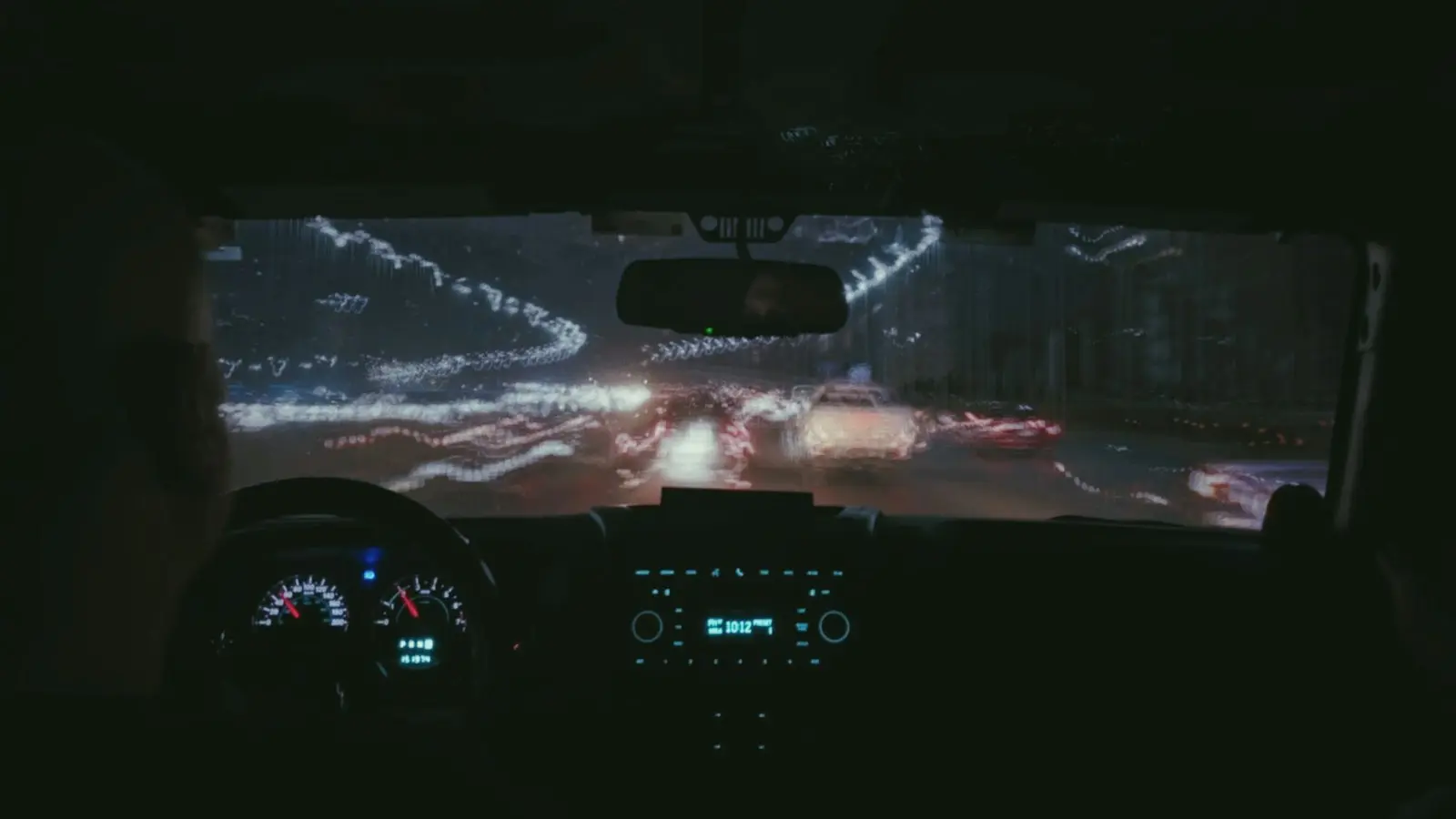
Cairo travel exhaustion can happen even to someone who has traveled internationally before. By the third day, heat, traffic, noise, unfamiliar routines, long transfers, negotiation, and solo decision-making can leave a visitor feeling depleted rather than exhilarated.
That does not automatically mean Cairo is unsafe, that you chose the wrong destination, or that the trip has failed. It may be normal adjustment, an overloaded itinerary, or a genuine health or safety problem. The right response depends on which one you are experiencing.
Key Takeaways
- Cairo travel exhaustion often comes from several moderate pressures accumulating at once, not from one dramatic problem.
- The first three days can be especially demanding because jet lag, poor sleep, unfamiliar routines, and ambitious sightseeing overlap.
- Heat, sun, traffic, noise, crowds, walking, and air-quality concerns can add physical and sensory strain.
- Solo travel increases decision fatigue because every route, meal, negotiation, and boundary-setting choice falls on one person.
- Rest, hydration, a lighter itinerary, and dependable transport can help; worsening symptoms or genuine safety concerns require professional support or a change of plans.
Why the First Three Days Can Feel Disproportionately Demanding
Arrival days are rarely restorative. A traveler may begin with a long flight, broken sleep, airport logistics, a new climate, and the effort of finding accommodation. Then comes the temptation to start sightseeing immediately, especially when the pyramids, museums, markets, and historic neighborhoods are competing for limited time.
The result is a large amount of unfamiliar information arriving at once. You are learning how routes work, estimating prices, understanding local etiquette, deciding what to eat and drink, interpreting directions, and working out when a conversation is friendly, commercial, or something you would rather end. Even simple tasks require more attention than they would at home.
Solo travel increases that load. There is no companion to confirm a route, handle a negotiation, notice that you are becoming overheated, or make the next small decision. Every transfer, meal, boundary, and change of plan belongs to one person. This is decision fatigue, not a sign of personal weakness.
The third day can therefore be revealing. Initial excitement has faded, sleep debt has accumulated, and the effort of staying alert has not. An experienced traveler can still feel overwhelmed because the challenge is not necessarily a lack of travel skill. It is the number of moderate demands being stacked together.
There is also an expectation gap. Cairo is often imagined through its most striking images: ancient monuments, the Nile, grand museums, and lively streets. Those experiences exist, but reaching them may involve traffic, waiting, heat, crowds, commercial attention, and more physical effort than a photograph suggests. Discovering that gap can be tiring in itself.
How Heat, Traffic, Noise, and Walking Compound Fatigue
Outdoor sightseeing puts a physical limit on an ambitious itinerary. Sun exposure and heat can make walking harder and increase the need for rest, particularly when combined with poor sleep or inadequate food and fluids. The risk varies with the season, time of day, personal health, clothing, activity level, and access to shade, so general advice should not replace current travel-health guidance.
Cairo’s urban environment can also create sustained sensory load. Horns, engines, construction, crowds, dust, strong smells, and constant movement require the brain to keep filtering information. None of these features is necessarily a crisis, but together they can make a short outing feel more demanding than its distance suggests.
Air quality may be another contributor to discomfort for some visitors, particularly when dust, traffic, or other irritants are present. It is better to treat this as one possible factor than to assume that every headache, cough, or tired feeling has the same cause. Anyone with breathing difficulties or a relevant medical condition should follow personal medical advice and check current health information before traveling.
Maps also understate the physical cost of Cairo travel. A site visit may include a transfer, waiting, walking over uneven surfaces, stairs, repeated stops, and a return journey through congested streets. Two major attractions in one day can become several separate exertions once transport and queues are included.
Useful Cairo travel tips are simple: schedule shorter activity blocks, plan a cool or air-conditioned pause before you need one, carry water, use sun protection, and avoid treating every available hour as sightseeing time. Put demanding outdoor activities at more manageable times of day, depending on the season and current guidance.
Local rhythm matters as well. Ramadan, public holidays, religious occasions, and time of day can affect crowd levels, opening patterns, meal availability, traffic, and the pace of public life. Dates and arrangements change, so check current local information rather than relying on a generic timetable.
The Mental Cost of Navigating Cairo Alone
Cairo solo travel stress often comes less from one dramatic incident than from dozens of small judgments. Should you accept help with a bag? Is the quoted fare clear? Do you want to enter that shop? Is an invitation social, commercial, or both? How firmly should you decline?
Bargaining, tipping, dress expectations, invitations, and unsolicited assistance may be unfamiliar. That does not make ordinary local interaction inherently threatening, and many encounters may be warm or useful. But a visitor who is already tired has less mental capacity for deciding how to respond.
A practical boundary can be brief: “No, thank you,” followed by continuing toward your destination. You do not need to provide a long explanation. If a conversation becomes uncomfortable, move toward a staffed hotel, museum desk, restaurant, busy shop, or other public place rather than staying to be polite.
Transport deserves similar planning. Use options with clear pricing or arrangements made through reputable accommodation, established providers, or current visitor guidance. Keep your accommodation’s address and phone details accessible, and avoid displaying valuables unnecessarily. These are sensible precautions, not evidence that every driver, vendor, or passerby is unsafe.
Solo travelers also lose the opportunity to reality-check an interaction. A companion might recognize that something was only a sales pitch or suggest leaving when a situation feels unsafe. Without that second perspective, a visitor can either overreact to an unfamiliar custom or dismiss genuine discomfort because they do not want to appear difficult.
This is where culture shock differs from a safety problem. Culture shock may involve irritability, homesickness, confusion, embarrassment, reduced enthusiasm, or the feeling that every task is strangely complicated. It often improves when demands are lowered and the traveler sleeps, eats, and regains a sense of control.
Harassment, coercion, theft, threatening behavior, unsafe driving, stalking, or accommodation staff refusing to address a serious problem are different matters. You are not required to tolerate them in the name of being open-minded or having an authentic experience.
How to Tell Normal Adjustment From a Health or Safety Problem
Ordinary solo travel fatigue tends to be recognizable: you are tired, impatient, overstimulated, and less interested in plans, but you can rest, drink, eat, and make basic decisions. A quiet period may bring some improvement. That pattern suggests reducing demands and observing how you respond.
Do not dismiss confusion, fainting, severe or worsening weakness, breathing difficulty, chest pain, persistent high fever, inability to keep fluids down, or possible serious dehydration. These symptoms can have different causes, and an article cannot diagnose them. Seek prompt professional medical advice, urgent care, or emergency assistance when symptoms are severe, rapidly worsening, or frightening.
The same principle applies to safety. Consider changing your plans if you cannot secure your room, cannot sleep because of a serious accommodation problem, feel persistently threatened, experience coercion or theft, or cannot find dependable transport. Check current Egyptian emergency contacts, local medical facilities, travel-insurance procedures, and government travel advice before departure and again if circumstances change.
A useful decision test is practical rather than heroic:
- Are you improving after sleep and fluids?
- Can you eat and drink?
- Do you feel secure where you are staying?
- Can you manage the next transfer without panic or unsafe improvisation?
- Is the next activity genuinely necessary?
If the answers are consistently negative, reduce the itinerary. A change of hotel, a shorter trip, a trusted local guide, or an earlier departure may be sensible. Endurance is not a travel achievement when basic health and security are deteriorating.
A Low-Pressure Recovery Day in Cairo
Start by canceling nonessential sightseeing. Trying to recover while preserving the original schedule often turns a rest day into another performance. Tell your accommodation that you need a quiet day, keep your plans simple, and avoid making several new transport and bargaining decisions.
Sleep as much as your body allows, then drink fluids and eat food that is familiar and well tolerated. You do not need to prove your adventurousness through an unfamiliar meal when your stomach is unsettled. A plain breakfast, reliable restaurant, or temporarily familiar food can give you a steadier base for deciding what to do next.
Spend the warmest or noisiest part of the day in a cool, quiet indoor setting. If your energy returns, make only one manageable outing: perhaps a nearby café, a museum with a straightforward return route, or a short walk at a comfortable time. Arrange dependable transport in advance where possible, and keep the return plan clear.
A reputable local guide or hotel-arranged assistance can be useful for a specific activity, particularly when it removes several navigation and negotiation tasks. The point is not to surrender independence. It is to spend your limited energy on seeing the city rather than solving every logistical problem alone.
Reassess that evening. Improvement suggests that the original plan was too dense or that you needed an adjustment period. Little or no improvement, worsening symptoms, repeated harassment, unsafe transport, or an unsuitable room are reasons to escalate: seek professional help, change accommodation, contact your insurer, or revise the trip substantially.
Cairo may become more rewarding once the first layer of overload settles. Streets that initially feel difficult to read may become more legible, and a slower schedule can make room for curiosity. But you do not need to force a positive interpretation. A careful traveler can remain open to the city while protecting sleep, health, money, and personal boundaries.
FAQ: Cairo Travel Exhaustion and Solo Travel Stress
Is Cairo travel exhaustion normal for a first-time solo visitor?
Adjustment fatigue can be common because unfamiliar transport, social expectations, heat, noise, walking, and constant decisions accumulate quickly. Severe, worsening, or medically concerning symptoms are not something to dismiss as normal travel discomfort.
How can I reduce Cairo culture shock without avoiding the city?
Slow the itinerary, build in indoor breaks, prepare transport, dress comfortably and respectfully, keep meal choices flexible, and introduce busy environments gradually. A day with one meaningful activity can be more rewarding than a checklist of major sites.
When should I change my Cairo itinerary or seek medical help?
Change the itinerary when rest does not improve your condition, the environment prevents sleep, transport feels consistently unsafe, or you cannot maintain basic food and fluid intake. Seek medical or emergency assistance for severe or worsening symptoms such as fainting, confusion, breathing difficulty, chest pain, persistent high fever, or inability to keep fluids down. For threats, coercion, theft, stalking, or serious accommodation problems, move to a safer staffed location and use current local or official support channels.