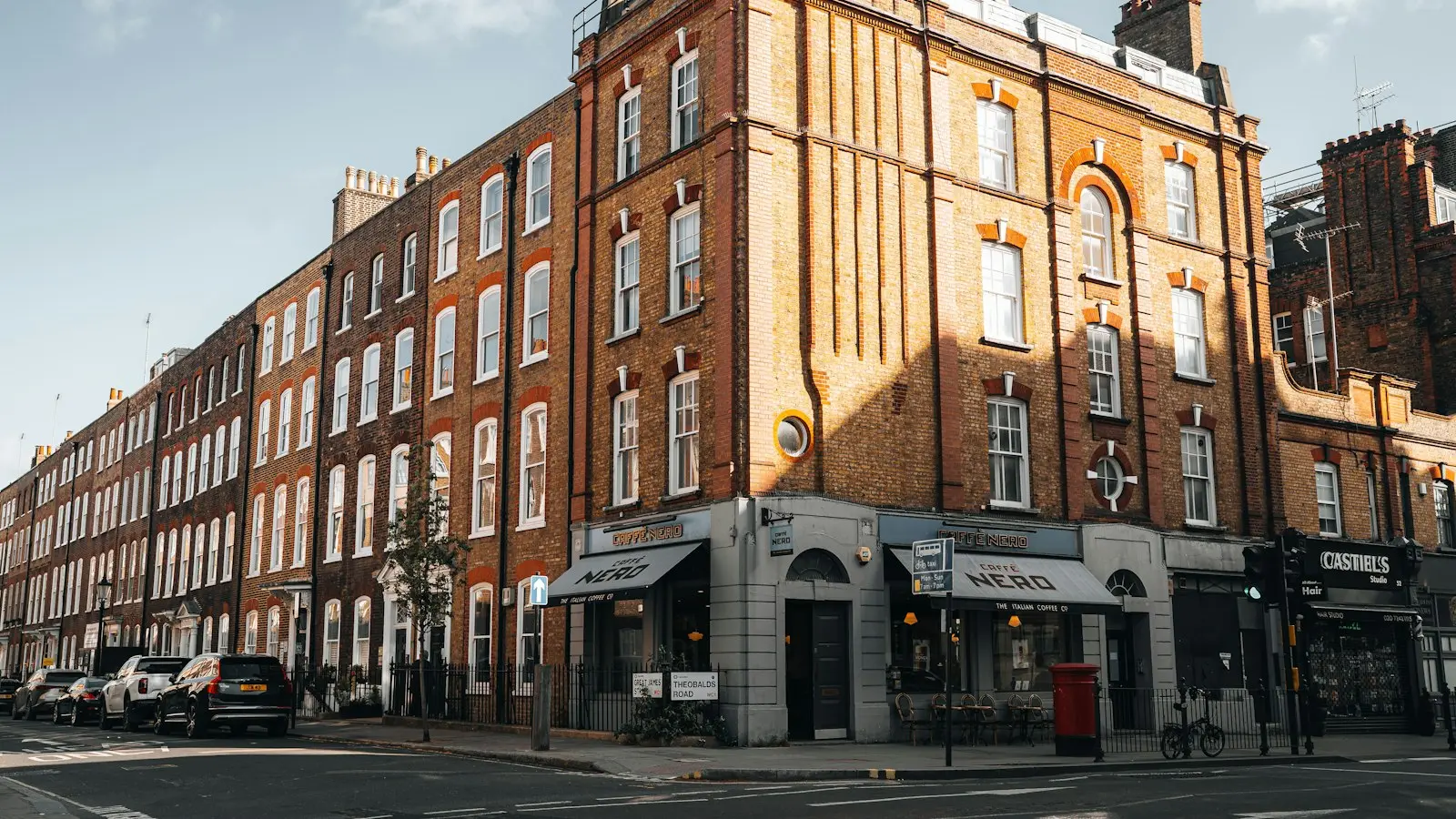
A repeat business visit is the moment to stop treating London as a checklist of landmarks. The best London neighborhoods for a short evening are the ones that offer a complete experience—food, a walk, architecture, or culture—without consuming the night in transfers.
For most travelers, Marylebone, Clerkenwell and Farringdon, South Bank and Bankside, South Kensington, Shoreditch and Spitalfields, and Soho with Seven Dials are the most useful starting points. Camden or Primrose Hill can be excellent when you have more time and daylight, but they require more commitment.
Journey times in this guide are approximate. Your starting station, walking pace, service conditions, engineering works, weather, and time of day can all change the calculation. Before leaving, check the current route, station access, venue schedule, and final return option.
Key Takeaways
- Choose the neighborhood closest to where work ends unless a particular cultural or dining plan justifies the extra travel.
- Marylebone and Clerkenwell work well for compact, lower-stress evenings; Soho offers the most dining flexibility in a small area.
- South Kensington is a strong rainy-evening choice, while South Bank and Bankside are best when riverside walking and cultural venues appeal.
- Shoreditch and Spitalfields suit food-led wandering; Camden and Primrose Hill are better when you have at least three hours and favorable conditions.
- For a short visit, confirm travel time, reservations, venue hours, accessibility, weather, and the practical return route before setting out.
Best London Neighborhoods at a Glance
| Neighborhood | Best for | Realistic time | Evening character | Transit advantage | Main trade-off |
|---|---|---|---|---|---|
| Marylebone | Calm walking, restaurants, independent shops | 2–3 hours | Polished, quieter side streets | Central and manageable from several hubs | Less dramatic after shops close |
| Clerkenwell and Farringdon | Food, design history, City access | 2–3 hours | Restaurant-led and urban | Convenient for the City and north-south connections | Fewer obvious attractions at night |
| South Kensington | Museums, architecture, rainy evenings | 2–3 hours | Cultural and residential | Useful from the West End and west London | Museum hours and timed entry vary |
| South Bank and Bankside | Riverside walks, culture, views | 2–3 hours | Open, scenic, weather-dependent | Easy to combine with central routes | Wind, crowds, and exposed walking |
| Soho and Seven Dials | Dense dining, theaters, short itineraries | 2–3 hours | Busy, bright, energetic | Minimal walking between many options | Higher prices and limited quiet |
| Shoreditch and Spitalfields | Food, design, markets, contemporary atmosphere | 3 hours | Street-level, late-evening, varied | Strong access from the City | More crowded and less predictable |
| Camden or Primrose Hill | Music, markets, canals, skyline walks | 3–4 hours | Informal and destination-like | Straightforward from central and north London | Longer return and greater weather dependence |
This is not a ranking of London’s most famous districts. It is a decision map for people who have already seen the headline sights and want to spend a free evening intelligently.
Best Areas for a Two- or Three-Hour Post-Work Walk
The most reliable short itinerary has three parts: one anchor activity, one compact walk, and one food or drink stop. Trying to cross the city for several attractions usually produces more time underground than in the neighborhood itself.
Marylebone is the most forgiving choice for a calm, low-transfer evening. Start around Marylebone High Street, continue through the surrounding residential streets and garden squares, then settle into a restaurant or pub. The area works particularly well after a demanding workday because the interest comes from its change of pace, building details, shopfronts, and manageable scale.
Its limitation is timing. Some independent shops close earlier than restaurants, so a late arrival may turn the visit into a meal with a short walk rather than a full browse. Check the route back if your hotel is farther east or south; a neighborhood that looks central on a map may still require a connection.
South Bank and Bankside offer one of the simplest walking routes. You can follow the river, take in bridges and riverside architecture, and build the evening around a booked cultural venue, gallery, or restaurant. The route is easy to shorten if you are tired and easy to extend if the weather is good.
This is a scenic option rather than a sheltered one. Wind, rain, limited daylight, and event crowds can change the experience quickly. Pavements may be busy, and some riverside sections involve uneven surfaces or crowded pinch points, so travelers using mobility aids should check the exact route and venue access rather than assuming the whole waterfront is equally easy.
Primrose Hill is better when the walk itself is the point. The climb and skyline view can make a three-hour outing feel distinct from central London, while nearby streets provide places to stop afterward. It is a daylight-led plan, however, and a poor fit when a fixed work dinner leaves little margin. Camden is nearby but has a different rhythm: more market, music, and busy high-street energy, especially around its best-known routes.
Best London Neighborhoods for Food and Evening Atmosphere
For the greatest choice in the smallest area, choose Soho and Seven Dials. Restaurants, bars, theaters, and small streets sit close enough together that a delayed meeting or full first-choice restaurant does not ruin the plan. This is useful for business travelers who want flexibility rather than a carefully timed route.
The trade-off is density. The same concentration that creates backup options also brings crowds, noise, queues, and prices that can rise around theaters and popular dining times. Reserve ahead for a well-known restaurant, a theater-linked dinner, or a weekday evening when you need to eat at a particular hour. If you are happy to improvise, arrive early or keep two nearby alternatives in mind.
Shoreditch and Spitalfields are stronger for food-led wandering. The experience comes from moving between restaurants, bars, market streets, design-focused shops, and changing street scenes rather than visiting one major attraction. It suits the repeat visitor who wants a more contemporary evening and does not mind that the atmosphere varies from one block to the next.
Allow about three hours if you are traveling from outside east or central London. A short visit can work from the City, particularly when you walk or make a direct trip, but it becomes less efficient if you are crossing town solely for dinner. The area can be busy and noisy, and popular places may operate with queues or reservations, so approach it with a plan B.
Clerkenwell and Farringdon are a practical middle ground. The restaurants and bars are the main event, but the streets also carry traces of design, publishing, craft, and older industrial uses. This gives the area more texture than a single dining strip without requiring a full sightseeing itinerary.
It is especially useful for travelers working in or near the City. You can finish work, walk into dinner, and still have time for a short circuit before heading back. The limitation is that it rewards knowing roughly what you want: it is less likely than Soho to offer an obvious sequence of stops if your first restaurant is full.
Best Areas for Architecture, Culture, and Local History
Choose South Kensington when you want an indoor anchor. The museums and cultural institutions give the evening a clear purpose, while nearby streets provide architectural interest and places to eat. It is one of the better rainy-evening choices because you can minimize outdoor connections.
Do not assume a museum visit is automatically available after work. Opening hours, evening programs, timed entry, temporary closures, and ticket rules vary. Check the official schedule on the day you plan to go, especially if the cultural stop is the reason for choosing the neighborhood.
Bankside and South Bank are better for a flexible cultural route. You can organize the evening around a fixed performance or exhibition, or simply walk between riverside viewpoints, bridges, cultural buildings, and dinner. This works well when one person in a business group wants culture and another prefers an unstructured walk.
Clerkenwell and the City fringe suit visitors interested in layers rather than monuments. A short route can move from older streets and former industrial character toward contemporary offices and restaurants. It is a useful repeat-visit alternative to the West End, particularly when you want to notice how London’s commercial and historic fabric overlap.
For a quieter architectural option, return to Marylebone. It offers a less intensive version of central London: terraces, small squares, independent retail, and restaurants without the constant pressure of a major attraction. It is more effective as an open-ended walk than as a museum itinerary.
Choosing by Business District, Available Time, and Return Journey
The best area often depends less on what sounds most interesting than on where the workday ends.
- From the City: Clerkenwell and Farringdon are often the efficient choice; Shoreditch and Spitalfields also make sense when food and contemporary atmosphere matter. Bankside can work if you want a riverside finish and the return route is straightforward.
- From Canary Wharf: Favor a destination with a simple, verified route and enough time left for the neighborhood itself. South Bank or Bankside may suit a planned cultural evening, while Shoreditch can work when service conditions and the late return are checked first.
- From Soho or the West End: Marylebone, South Kensington, and South Bank offer a change of scene without an ambitious cross-city journey. Soho itself remains practical when time is very tight.
- From Paddington or nearby hotels: Marylebone and South Kensington are natural candidates, depending on the exact station and walking route. Avoid adding multiple connections merely to reach a more fashionable district.
- From a major rail hub: Choose the neighborhood that matches your departure direction. A beautiful final dinner is less useful if it leaves you rushing across London for a train.
For two hours, choose one nearby neighborhood, one anchor, and one meal or drink. For three hours, add a cultural stop or a second short walking section. With limited daylight, favor Marylebone, Clerkenwell, or a venue-led South Kensington plan. In rain, prioritize museums, galleries, restaurants, covered market areas, and short links between indoor stops.
If minimizing transfers is your priority, stay close to the business district or select a neighborhood on a direct route. Underground, Elizabeth line, Overground, bus, and river services can all be useful, but their value depends on the precise origin, destination, service pattern, and time of night. Check step-free access at both ends if that matters; a route with fewer train changes may still involve stairs or a long station interchange.
Before setting out, confirm six things: the actual travel time, the last practical return option, whether dinner needs a reservation, whether a cultural venue requires timed entry, whether the route fits the weather and daylight, and whether there is a nearby alternative if your first choice is full. That small amount of planning preserves the spontaneity of a neighborhood visit without turning a short business-trip evening into a logistical exercise.
FAQ
Which London neighborhood is best with only two or three hours free?
Marylebone is the most forgiving all-round choice for a calm walk and meal. Soho and Seven Dials are better when you want maximum dining choice, while South Bank and Bankside suit a riverside or cultural route. Choose the one closest to where your workday ends rather than crossing London for a marginally different atmosphere.
Where can business travelers find dinner and atmosphere without repeating the standard tourist circuit?
Try Shoreditch and Spitalfields for food, design, and street-level activity; Clerkenwell and Farringdon for restaurants in a more workday-oriented setting; or Marylebone for a quieter evening. Soho is convenient but remains busy and central, so it is best when flexibility matters more than novelty.
Which areas are easiest from the City, Canary Wharf, or the West End?
Clerkenwell and Farringdon are often the most practical from the City. South Bank, Bankside, and Shoreditch can be sensible from Canary Wharf depending on the current route and time available. From the West End, Marylebone, South Kensington, South Bank, and Soho itself offer straightforward choices. Always verify live service information before relying on a particular connection.