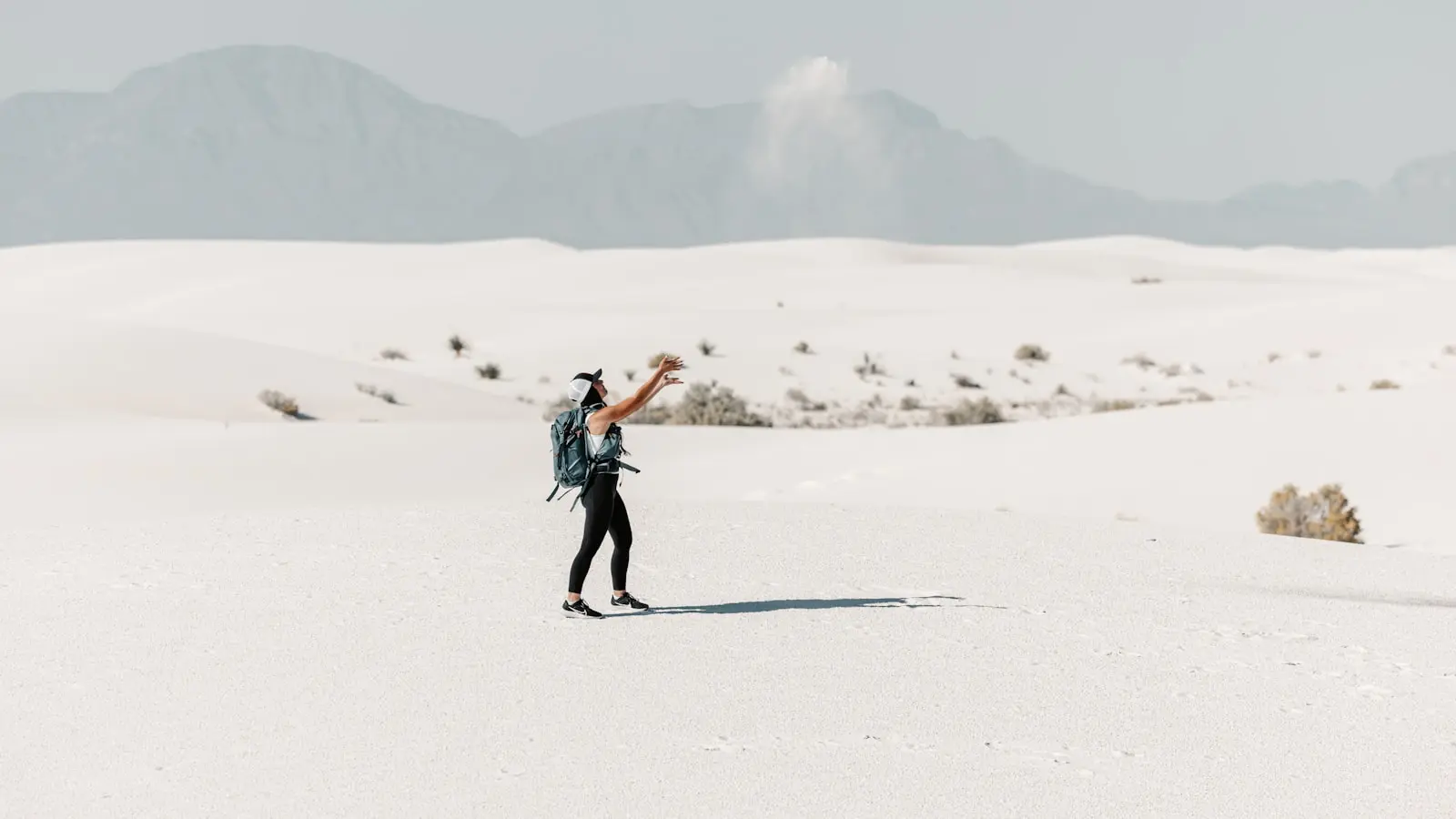
A smart Tunisia packing list is compact, layered and designed for repeat wear. Bring breathable clothing for sun, one warmer layer for wind and cooler evenings, supportive shoes for stone and sand, and a small day kit for water, dust and long drives.
A Tunisia itinerary that combines the coast, cities and desert-edge stops is not a pure beach holiday. A swimsuit is useful, but an overshirt, closed walking shoes and reusable water bottle will usually earn more space in your bag. Choose items that work from a medina walk to an archaeological site, then through several hours in a car.
Key Takeaways
- Pack versatile layers rather than separate outfits for the beach, desert and cities.
- Make supportive closed-toe shoes your main pair; use sandals for hotels and easy coastal time.
- Carry sun protection, water capacity, a scarf or wrap, and protected electronics on sightseeing days.
- Keep medication, documents, payment backups and charging tools in your carry-on or daypack.
- Check forecasts, airline rules, plug compatibility, entry requirements and site guidance shortly before departure.
Build a small wardrobe around layers and repeat wear
Start with clothes that are comfortable in warm weather while offering practical sun coverage. Breathable tops, lightweight trousers, longer shorts or skirts according to your preference, and one or two easy-to-rewear bottoms create a flexible base. Natural fabrics and quick-dry technical fabrics can both work; prioritize materials you already know are comfortable in heat.
A lightweight long-sleeve shirt is often more useful than a second dressy outfit. It can cover arms and shoulders in strong sun, reduce exposure to dust on an excursion, and make an air-conditioned minibus or breezy waterfront dinner more comfortable. Add an unstructured overshirt, thin cardigan or packable wind layer for similar flexibility.
Bring a lightweight scarf or wrap. It can protect your neck from sun, soften blowing dust, add warmth after sunset, and provide optional coverage at a religious site when requested. It is practical travel gear, not a prescribed way to dress.
Choose colors with dust and repeat wear in mind. Mid-tones, muted prints and quick-drying fabrics generally cope better with a dusty vehicle ride than bright white linen or delicate pieces that require special care. One sink-wash-friendly outfit and a small amount of laundry soap can reduce the need for duplicates.
In hotter periods, prioritize airy fabrics, sun-covering layers and minimal insulation. Keeping an overshirt in your daypack gives you options for changing settings without building your wardrobe around a single assumption.
For cooler, wetter or windier periods, add a warmer mid-layer and a rain-resistant shell if the forecast calls for it. Coastal weather can differ from inland conditions, while desert-edge mornings and evenings may feel much cooler than midday. Check the forecast for each overnight stop, not just your arrival city.
Dress expectations vary by place, activity and personal preference. For religious sites or formal settings, flexible layers that can cover shoulders and legs when requested are a practical, respectful solution. Check guidance for the specific place you plan to enter.
Choose shoes and day gear for stone streets and sand
Pack one broken-in pair of supportive closed-toe walking shoes or trail-style sneakers. They are the workhorse choice for uneven archaeological ground, irregular old-town paving, dusty paths and long sightseeing days. New shoes are a poor gamble when ruins and walking tours are on the itinerary.
Bring a lighter second pair, such as sturdy sandals, for hotel time, coastal promenades and the beach. Flip-flops are useful by a pool or in a hotel room, but they are not a substitute for walking shoes at historical sites or on desert terrain. They offer limited protection from hot surfaces, loose sand and uneven stone.
A small daypack with a secure closure is more useful than a large tote. It should carry water, sunscreen, sunglasses, a light layer, tissues, snacks, a charging cable and transit documents. Use separate small pouches for health items and electronics so essentials stay easy to find.
A cap or wide-brim hat and sunglasses are core Tunisia desert packing items. Add a bandana, buff or scarf for exposed drives or walks where dust may blow around. It improves comfort, but it is not a substitute for following operator guidance when conditions are poor.
Carry blister plasters, hand sanitizer and tissues in the day kit. These small items matter when sightseeing runs long or facilities are limited. A compact power bank is equally useful when maps, tickets, photos and messages all depend on the same phone battery.
Protect skin, health items and electronics from heat and dust
Sun protection deserves dedicated bag space. Pack broad-spectrum sunscreen, sun-protective lip balm and a simple moisturizer or after-sun product that you know your skin tolerates. A hat and long-sleeve layer can make extended outdoor time easier than relying on sunscreen alone.
Bring prescription medication in original labeled packaging and keep it in your carry-on. Include a small personal first-aid kit and any over-the-counter items you routinely use. For questions about prescriptions, vaccinations, water safety or destination-specific health concerns, consult a clinician or current official travel-health guidance before departure.
Keep medication, valuables, chargers and essential documents out of checked baggage. Delayed luggage is inconvenient anywhere, but especially disruptive before an early transfer or excursion. A spare change of clothes and underwear in cabin baggage can make the first day easier.
Protect phones, cameras, cables and power banks with zip pouches, dry bags or sturdy resealable bags during beach time, dusty drives and open-air excursions. Avoid leaving electronics loose in an exterior backpack pocket where grit and moisture can collect.
Download offline maps, accommodation addresses, transport details and key documents before remote driving days. Save essential information in more than one form: on your phone, in a secure digital account if you use one, and on a small printed sheet stored separately from your passport.
Bring a plug adapter only after checking Tunisia’s current outlet types and the voltage range printed on your chargers. An adapter changes plug shape; it does not convert voltage. Confirm device compatibility before departure and avoid assuming every room will have enough accessible sockets.
Pack beach items without making a resort suitcase
Keep Tunisia beach trip clothes compact and multipurpose. One or two swimsuits, a lightweight cover-up or shirt, and lighter sandals are usually enough for a short, multi-stop trip. Extra beach outfits compete for space with the layers and footwear that support the rest of the itinerary.
A quick-dry towel is worth packing only if your accommodation or beach plan will not provide towels. It can be useful for an independent beach day, but it takes up room and may not justify its place in a tightly packed bag. Confirm what hotels and planned beach facilities provide.
A small waterproof pouch for a phone, cards and keys is sensible if swimming or waterside time is planned. Your scarf or wrap can also serve as a cover-up, shoulder layer or light shade layer. The best North Africa travel packing approach often lets one item do several jobs.
Treat beach gear as a contained module rather than the center of the suitcase. On an itinerary that includes heritage sites and desert-edge landscapes, walking gear, sun protection and a dependable daypack deliver more value than extra resort wear.
Finish with documents, money, baggage and site etiquette
Keep your passport, required entry paperwork, travel insurance details, accommodation confirmations and transport information accessible during transit. Store copies separately from originals, whether as printouts, secure digital copies or both. Passport validity, visa and entry requirements depend on nationality and can change, so verify them shortly before travel through the relevant official channel.
Carry more than one payment method and a modest amount of local cash for smaller purchases or situations where cards are not accepted. Do not assume card use or ATM access will be identical across resorts, city centers and inland routes. Check practical options with your bank, accommodation and tour operator for your exact itinerary.
Airline rules are part of the packing process, not an airport detail. Confirm cabin-bag dimensions, checked-bag allowance, liquid limits and rules for spare lithium batteries and power banks with the operating airline. Requirements can vary by airline, route and fare type.
Before entering a mosque or another religious site, check its current visitor guidance. A light layer that can cover shoulders and legs if requested lets you adapt without packing a separate outfit. The same advance check is useful for photography policies, opening hours and access conditions at archaeological attractions.
Avoid packing drones or specialized equipment unless you have verified current import, use and airline requirements through official sources. Rules can change, and assumptions made at home can become costly at the border.
Pack last: passport and payment methods, medication, phone, offline maps, charger, power bank, reusable water bottle, sunscreen, sunglasses, hat and daypack. These are the Tunisia travel essentials most likely to help when the road runs long, the heat rises or your main bag is temporarily out of reach.
FAQ: What should I wear in Tunisia as a tourist?
Wear breathable everyday clothing suited to the weather and planned activities, with a lightweight overshirt, cardigan or scarf available for sun, dust, evening breezes and site-specific coverage. Tunisia is not culturally uniform, and visitors do not need a rigid uniform either. Check the guidance for religious sites and carry a flexible layer if more coverage is requested.
FAQ: What should I pack for a Tunisia desert excursion?
Pack a hat, sunglasses, sun protection, a breathable long-sleeve layer, closed walking shoes, water capacity and a scarf or buff for dust. Protect your phone and camera in a sealed pouch, and bring a light outer layer for cooler starts or finishes. Conditions vary by season, location and time of day, so review the forecast and your excursion operator’s current packing advice.
FAQ: Do I need a power adapter in Tunisia?
You may need a plug adapter depending on your devices, but verify Tunisia’s current outlet type before buying one. Also check the voltage range on every charger: an adapter changes plug shape, while a converter addresses voltage differences. Confirm airline rules for carrying power banks and spare lithium batteries before departure.