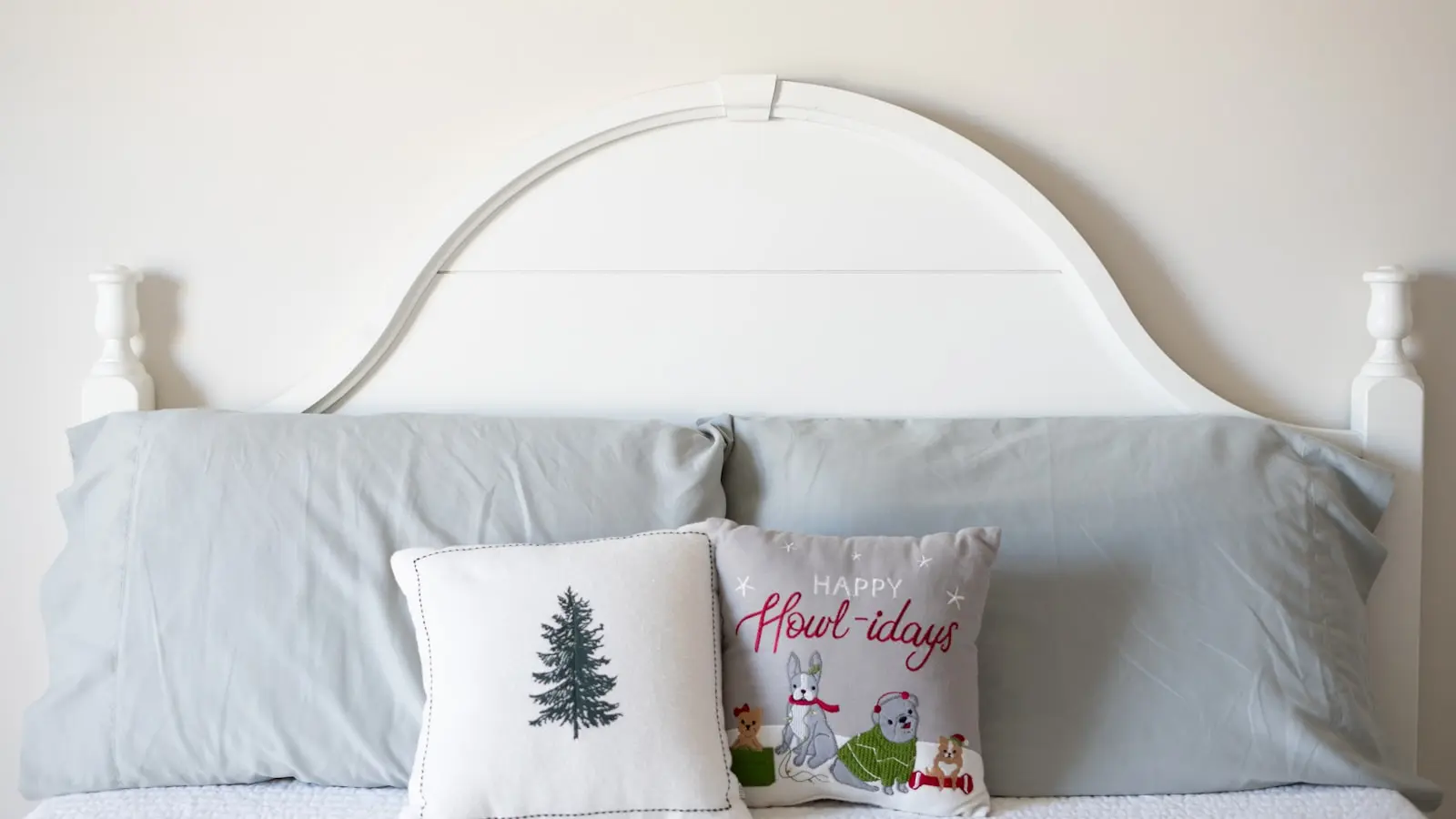
Small guest room privacy is not just about having a spare bedroom with a locking door. It means giving a visitor a place to change, sleep with manageable light and noise, keep belongings, charge a phone, and understand how shared spaces work.
In a small home, the best fixes are usually reversible: an opaque curtain, a folding screen, a cleared bedside surface, and a direct conversation about bathroom timing and quiet hours. Decor can make a space pleasant, but it cannot solve the discomfort of having nowhere private to dress or no idea when a shared room will be in use.
Key Takeaways
- Start with the biggest privacy problem: sightlines, changing space, light, noise, or lack of storage.
- Use curtains for flexible coverage, folding screens for a changing nook, and furniture placement to redirect views during longer stays.
- Reduce echo and light where possible, but do not mistake soft furnishings or door seals for soundproofing.
- Give guests a dedicated place for luggage, clothes, water, chargers, and nighttime essentials.
- Keep dividers, beds, cords, and luggage clear of exits, doors, vents, alarms, and routes to the bathroom.
Start With a Privacy Audit: What Does the Guest Actually Need?
Walk through the setup as if you had arrived with an overnight bag. Do it once in daylight and again after dark. Daytime reveals sightlines from the kitchen, hallway, front door, or home office; nighttime reveals glowing electronics, streetlight, television noise, and the route to the bathroom.
A useful privacy audit covers five questions:
- Can someone in a shared area see the sleeping space?
- Is there a place to change clothes without asking everyone to leave?
- Can the guest control enough light to rest and get dressed?
- What sounds will travel into the space early in the morning or late at night?
- Where will a suitcase, shoes, medications, chargers, and clothes go?
The answer changes by room. A converted office may have walls but also work papers, a bright monitor, and cables. A living-room corner may have ample floor space but no visual separation. A nursery may be quiet only if its usual supplies can be moved before the visit. A storage-adjacent room may fit a bed while still making someone feel like they are sleeping in a utility area.
Fix the biggest discomfort first. If the bed is visible from the sofa, a divider matters more than a new throw pillow. If the sleeping nook is secluded but the household begins noisy mornings at 6 a.m., expectations and a noise plan may matter more than another decor purchase.
Privacy for house guests also includes predictability. A simple explanation such as, “The living room is yours after 9 p.m., but I use it for work calls from 8 to 10 in the morning,” is often more useful than treating a shared space as fully private.
Create Visual Privacy With Reversible Barriers
The right room divider for a guest space depends on what it needs to block. Some options interrupt direct views, some create a changing nook, and some simply signal that the sleeping area is not a pass-through. None should interfere with doors, exits, vents, or the normal path through the home.
Curtains are often the most flexible option for a loft, office, alcove, or living-room corner. Opaque fabric offers stronger visual separation than a sheer panel, while blackout-rated fabric may help where lamps, streetlights, or early sunrise are the issue. A tension rod can work in some openings without drilling, but it should be suited to the span and positioned where a falling rod would not create a hazard.
A folding screen is particularly useful for a changing area. It is quick to set up before a visit and easy to store afterward, making it one of the most practical temporary guest room ideas for renters. Its limits are straightforward: screens leave gaps at the sides and top, may block little light, and can tip if wedged into a narrow walkway or used to hold clothing.
Furniture can redirect sightlines without making the room feel improvised. A sofa turned so its back faces the bed, a bookcase set perpendicular to a wall, or a desk moved away from the sleeping zone can reduce the feeling of being on display. Use stable pieces and preserve an easy route to the exit, bathroom, and light switches. Open shelving helps with storage and visual definition, but it does not provide the coverage of an opaque barrier.
For recurring guests, rearranging furniture may be more useful than buying another object. Put the bed in the least exposed corner, then add one simple barrier where views naturally fall. Use a curtain when coverage needs to open and close, a screen when someone needs a place to dress, and furniture placement when the setup will remain in place for several days.
A mirror can be useful for getting dressed, especially when the bathroom is shared. It may also make a compact room feel brighter. But it is a convenience item, not a privacy solution, and it should not create a new sightline into the bed area.
Improve Sleep Privacy With Light, Noise, and Shared-House Routines
Sleep privacy is often the part guests are least likely to mention. A bed tucked behind a screen can still feel exposed if kitchen lights shine through at midnight or household movement begins outside the divider before dawn.
Start with the window. Street-facing windows may need a treatment that balances privacy and light. Opaque curtains or a layered shade-and-curtain setup give guests more control, while sheers are generally better for softening daylight than blocking views or nighttime glare.
Place a lamp within reach of the bed and keep a clear path to the main light switch where possible. Guests should not need a phone flashlight to find the bathroom or step around bags to turn off a lamp. A reachable charging outlet also makes the space feel intentional. If an extension cord is necessary, use it according to its instructions and keep it out of walking paths.
Rugs, curtains, upholstered seating, and bedding can soften a room’s echo. A door draft blocker or seal may reduce drafts and some sound leakage around a door, depending on the door and product. These measures are not guest room soundproofing: household noise can still travel through walls, ceilings, floors, and openings.
A fan or white-noise machine can provide steady background sound that some guests find helpful. Make it optional. One guest may welcome cover for street noise, while another may prefer a quiet room.
The more reliable tool is a brief household plan. Discuss likely wake-up times, work calls, television volume, late arrivals, pet routines, and kitchen use. A small home cannot always offer hotel-like separation, but guests can rest more easily when they know what to expect.
Heavier curtains, rugs, and layers can make a sleep zone feel calmer, though they can also make a compact room feel closed in or reduce airflow around a window. Keep the space breathable and avoid covering vents or essential controls.
Make a Multipurpose Guest Space Feel Like It Belongs to the Guest
A guest does not need a full dresser to feel settled, but they do need a clearly assigned place for their things. The fastest way to make a temporary bed feel temporary in the wrong way is to leave no surface except the floor.
Clear one dedicated zone before arrival. A luggage rack, bench, sturdy chair, or open patch of floor beside the bed can hold a suitcase. Hooks, a few empty hangers, an under-bed bin, or a small basket can handle clothing and toiletries. A bedside caddy is especially useful in a tight room because it creates storage without requiring another table.
Give the guest a stable surface for water, glasses, medication, a book, or a phone. It can be a narrow table, secure shelf, or compact nightstand, provided it does not wobble or obstruct movement. Do not assume one arrangement works for every guest; someone may need a different bed height, route, lighting setup, or support surface.
Remove the evidence that the room belongs entirely to everyone else. Put away work documents, cords that are not available for guest use, nursery supplies, laundry piles, and household storage that spills into the sleeping zone. The goal is not a picture-perfect room. It is enough physical and mental space for someone to unpack.
Keep the path from the bed to the exit and bathroom clear. Shoes, luggage, loose rugs, pet beds, and charging cords are easy to overlook in daylight but become hazards when someone wakes in the dark. Reversible small-home hosting solutions should pack away after a visit rather than creating a permanent obstacle course.
Set Up Arrival Details That Prevent Awkwardness
Many hosting problems are not design problems. They are unanswered questions: Where is the extra towel? Is it all right to use the kitchen early? Does the window open? Which cabinet is private?
A short guest-ready checklist can prevent those small moments of hesitation:
- Share the Wi-Fi name and password.
- Show where towels, toiletries, and bathroom storage space are located.
- Explain shower timing if the bathroom is shared.
- Point out the thermostat, fan, extra blanket, and window instructions.
- Confirm the bedside light and charging option.
- Designate places for luggage, laundry, and trash.
- Clarify which rooms are shared, private, or available only at certain times.
- Mention quiet hours and the easiest way to ask for help.
Send the basics before arrival if the guest may arrive late or you expect to be away. A note can help, but a message beforehand is easier to reference after a tiring trip.
Clear rules are not cold. In a small home, they are a form of courtesy. They let guests make tea, take a shower, or retreat behind a curtain without feeling they must ask permission for every ordinary need.
Keep Temporary Dividers and Sleeping Setups Safe
Before using any partition or temporary bed arrangement, check the route out of the space. Screens, curtains, shelving, suitcases, and sleeping furniture should never block an exit, hallway, door swing, vent, smoke alarm, sprinkler, or access to essential controls.
Choose dividers that are stable for their intended use, and follow the manufacturer’s instructions for anchoring, weight limits, and placement. Keep curtains and other fabrics away from heat sources. If a ceiling track, wall-mounted item, or door alteration is involved, check lease terms, building rules, and applicable local requirements before installation.
Do not assume rugs, acoustic panels, curtains, or door seals are fire-rated or soundproof. Those claims depend on the specific product and its documentation. Their everyday value is often simpler: they can improve comfort, soften echo, reduce glare, or make a temporary zone feel more defined.
Ask about accommodations when appropriate. A guest may need a clearer path, fewer cords, a different lighting arrangement, a quieter location, or easier bathroom access. The goal is not an abstract ideal of guest-room design; it is to help the actual visitor feel safe, welcome, and able to rest.
FAQ
How can I create small guest room privacy without building a wall?
Use an opaque curtain for flexible visual coverage, a folding screen for a changing area, or furniture placement to redirect views. Pair the divider with a defined luggage zone, bedside light, and clear shared-space expectations so the privacy is functional rather than decorative.
What is the best room divider for a temporary guest space?
A folding screen is usually easiest to move and store, making it useful for short stays and changing privacy. A curtain is often better for a sleeping nook because it can cover a larger opening and help limit light. Choose based on sightlines, stability, storage, and whether the divider leaves exit routes clear.
How can I reduce noise for house guests without claiming to soundproof the room?
Use soft furnishings and rugs to reduce echo, consider a suitable door seal or draft blocker, and offer an optional fan or white-noise machine. Most importantly, agree on quiet hours and likely noisy periods. These steps may make the room feel calmer, but they cannot guarantee isolation from normal household or street noise.