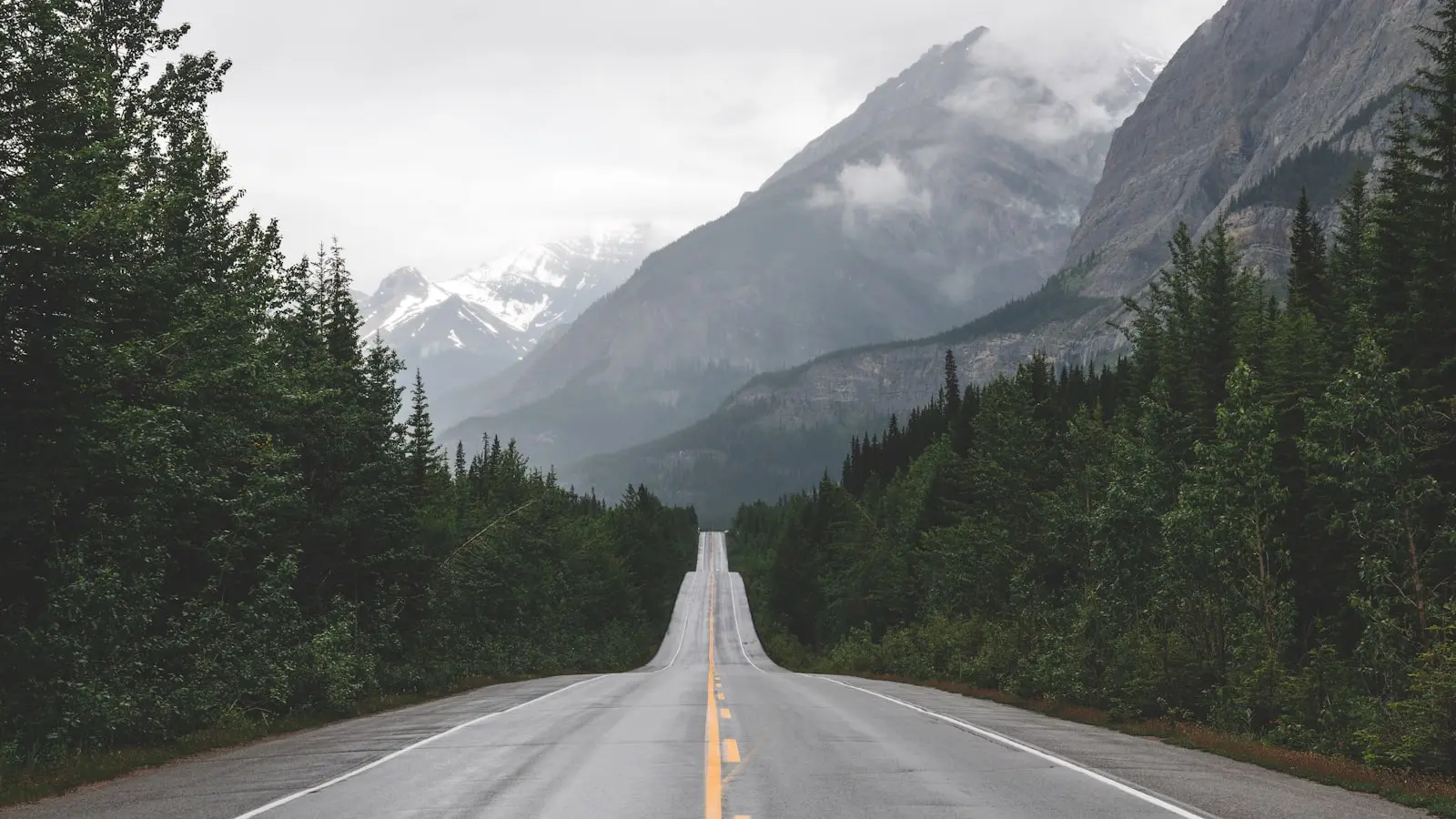
For a first nature-focused trip, choose New Zealand if you want a scenery-led holiday with frequent stops, hiking, and a relatively compact self-drive rhythm. Choose Australia if you want to mix nature with cities, beaches, reef, rainforest, desert, or region-specific wildlife—and can accept longer transfers or domestic flights.
The real choice is not which country is better overall. A New Zealand vs Australia trip is a choice between two different travel shapes: New Zealand rewards a continuous road-trip route, while Australia rewards choosing one region and giving it enough time.
Key Takeaways
- Choose New Zealand for a focused road trip built around mountains, lakes, coastlines, and hikes.
- Choose Australia for greater regional variety, especially beaches, reef, rainforest, desert, cities, and iconic wildlife.
- For 7 to 10 days, a focused New Zealand route or one Australian region is more realistic than trying to cover either country broadly.
- New Zealand looks compact but can be slow to drive; Australia requires careful planning because major nature regions are far apart.
- Budget and season matter by route, not country alone. Compare the full itinerary before deciding which is better value.
Start with trip personality, not a country ranking
New Zealand suits travelers who enjoy the movement of a road trip as much as the destinations. A single day can include a lake, mountain pass, short walk, coastal viewpoint, and small-town dinner. Its appeal is route density: alpine scenery, temperate coastlines, forests, geothermal areas, vineyards, and walking tracks can fit into one focused itinerary.
That compactness has limits. Roads may be narrow, winding, steep, weather-affected, or slower than map distances suggest. A drive that appears short on paper can become a full day once you include breaks, photo stops, short walks, traffic, and changing conditions.
Australia has a broader canvas. Its nature travel can mean tropical reef water, rainforest, eucalypt woodland, long beaches, desert landscapes, rugged coast, or remote inland country. The trade-off is scale: Australia works best when treated as several distinct regions rather than one destination to zigzag across.
A quick chooser:
- Choose New Zealand if you prefer frequent scenic changes, hiking, lakes, mountains, and road-trip days with many short stops.
- Choose Australia if you want beaches, cities, reef, rainforest, desert, or a particular wildlife region alongside outdoor time.
- For 7 to 10 days, favor part of one New Zealand island or one Australian state or region.
- For two to three weeks, either country can work well; Australia becomes easier if you include an internal flight or keep the trip regional.
- If winding roads and variable weather make you uneasy, an Australia itinerary based around one city and nearby coast may be less demanding than a New Zealand circuit.
Landscapes and wildlife differ more than maps suggest
New Zealand’s scenery is particularly suited to an active, point-to-point itinerary. Mountain roads lead into alpine basins, valleys open toward lakes, and temperate coastlines provide contrast to high country. The North Island adds volcanic and geothermal landscapes, while the South Island is often the stronger draw for travelers imagining large peaks, glacier country, and mountain-focused walks.
Australia nature travel is more regional. Tropical Queensland offers reef and rainforest settings that New Zealand cannot replicate. Tasmania combines cool-temperate forests, wild coastlines, and compact wilderness areas. Southern regions can pair beaches, wine country, and city time, while the interior and remote north offer different colors, climates, and logistical demands.
Wildlife expectations should be practical rather than cinematic. Australia is the clearer choice if seeing distinctive native animals is central to the trip, but sightings depend on region, habitat, season, time of day, weather, and visitor behavior. A managed wildlife park, guided encounter, and chance sighting in natural habitat are different experiences, and none should be treated as guaranteed.
New Zealand’s native wildlife experience is often centered on birds, marine life, coastal viewing, and conservation areas rather than large terrestrial mammals. Bird sanctuaries, marine excursions, and coastal walks can be memorable, but animals and weather set the terms. Follow local viewing guidance, choose operators carefully, and do not build an itinerary around a promised sighting.
Tasmania versus South Island for hiking and scenery
Tasmania versus South Island is a useful smaller decision for travelers drawn to cooler weather, wilderness walks, coasts, and road-trip travel. Both can deliver those qualities, but they do so differently.
New Zealand’s South Island generally suits travelers seeking large alpine scenery: mountain-framed lakes, long valleys, glacier-country viewpoints, and dramatic point-to-point drives. It is a strong fit when the road itself is part of the experience and mountain scale is the priority.
Tasmania may suit travelers who prefer a contained island circuit with temperate wilderness, coastal walks, food stops, and Australian wildlife context. It can feel more compact than a broad South Island route, but it still requires planning around weather, road conditions, park access, and accommodation availability.
Choose the South Island for greater alpine drama and a more mountain-led itinerary. Choose Tasmania for a compact Australian wilderness trip where forests, coastline, hikes, and wildlife can sit naturally together. Before committing, check current ferry or flight options, park rules, track status, and reservation requirements.
Transport, distances, and the real pace of an Australia New Zealand itinerary
New Zealand encourages self-driving, but it does not reward rushed self-driving. Visitors unfamiliar with left-side driving should allow time to adjust. Rural routes can involve tight bends, one-lane bridges, changing gradients, limited overtaking opportunities, and fast-changing weather in mountain or coastal areas.
Build buffer time into a New Zealand route. Allow for fuel stops, rest breaks, weather delays, short walks, and the simple fact that the driver should not spend every day at the limit. In winter, some higher routes may face ice, equipment requirements, or closures; road works and local weather can affect plans at any time of year.
Australia presents a different transport challenge: distance. A route that looks simple on a national map may represent a full day of driving, while remote areas require deliberate planning around fuel, water, communications, heat, wildlife on roads, and changing road surfaces. Flooding, fire conditions, and unsealed-road restrictions can also reshape regional plans.
For many first-time visitors, the best Australian strategy is to fly into one gateway city, explore the surrounding area by car, then add a second region only when the trip is long enough. A regional itinerary is not a compromise; it often produces a better holiday than a hurried cross-country route.
Public transport can work for selected city-to-city journeys and organized tours in both countries. It is less flexible for trailheads, remote parks, small coastal stops, and early-morning wildlife outings. Before booking a rental vehicle, confirm current licence requirements, rental restrictions, permitted roads, insurance conditions, and official road alerts for the exact route.
Seasonality, weather exposure, and access trade-offs
Australia and New Zealand broadly share Southern Hemisphere seasons, but that is only the starting point. Conditions vary sharply by latitude, altitude, coastline, and region. There is no single version of Australian weather or New Zealand weather.
In New Zealand, summer often offers longer daylight and broad appeal for hiking and road trips, but accommodation and popular routes can be busier. Winter can suit snow-focused travel in appropriate areas while bringing shorter days, alpine road risks, and possible access limits. Spring and autumn may offer lower demand, but weather and trail conditions can be more variable.
Australia requires especially careful regional matching. Tropical northern areas can experience heavy rain, humidity, storms, and disrupted road or marine access at certain times of year. Southern regions may suit warm-weather outdoor travel, while cooler months can bring wetter conditions. Desert and remote routes demand close attention to heat, rainfall, fire conditions, and access.
Choose the region first, then choose the month. Before departure, check current park alerts, track status, weather warnings, road closures, fire restrictions, and marine conditions through the relevant official agencies and operators. Keep a backup day or alternate route where possible.
New Zealand travel costs versus Australia budget pressure
It is tempting to ask whether New Zealand travel costs less than an Australia nature trip, but nightly accommodation prices alone do not answer the question. The bigger issue is how each itinerary uses transport, time, and flexibility.
New Zealand may concentrate costs into car hire, fuel, accommodation, food, activities, and possibly a ferry crossing if you visit both islands. Its tighter geography can reduce the need for internal flights. However, popular towns, hiking gateways, and peak-season dates can put pressure on lodging, while one-way rentals and late bookings can shift the total sharply.
Australia can look affordable within a single region, then become expensive when a trip tries to connect distant natural attractions. Domestic flights, extra rental days, fuel, tolls where applicable, and remote-area logistics can add up. A city-and-coast holiday may have a very different cost profile from a reef-and-outback itinerary spanning multiple regions.
Price the whole route rather than isolated categories. Include flights, car hire, fuel, insurance excesses, ferries, lodging, camping, tours, meals, gear needs, and any applicable park-entry or reservation systems. Current prices can change, so compare live costs before committing.
Useful budget levers include traveling in a suitable shoulder period, reserving high-demand stays early, limiting the itinerary to one region, and choosing a few meaningful paid activities rather than trying to book an experience every day.
Make the final choice and decide whether to pair the countries
New Zealand is often the stronger first choice when you have limited time and want a trip centered on scenery, hiking, and a self-drive route. It best suits travelers comfortable with slower rural roads, changing conditions, and resisting the urge to overfill each day.
Australia is often the better choice when you want a wider blend of natural settings and urban stops, or when a particular region—reef, rainforest, Tasmania, coast, or desert—is the reason for going. It becomes much easier when you accept a focused plan instead of trying to cover the entire country.
A combined Australia New Zealand itinerary makes sense only when time and budget allow both countries to remain distinct experiences. A practical first Oceania trip might pair one focused New Zealand route with one Australian region, rather than squeezing the South Island, Sydney, the reef, Tasmania, and the outback into one rushed schedule.
Separate trips are usually better if you have fewer than two weeks, limited tolerance for driving, or a travel month that strongly favors one destination or region. The most satisfying trip is usually the one with room for weather delays, long lunches, and unplanned walks—not the one with the most pins on a map.
Book in this order: confirm entry and biosecurity requirements for your nationality, choose the region and season, check current road and park conditions, then reserve transport and high-demand accommodation.
FAQ
Is New Zealand or Australia better for a 10-day nature trip?
New Zealand is often easier for a 10-day nature trip because a focused route can link mountains, lakes, coast, and walks without requiring internal flights. Australia can work equally well when you choose one region instead of trying to cross the country.
Is Tasmania better than New Zealand’s South Island for hiking and scenery?
Neither is universally better. Choose Tasmania for a compact island circuit with temperate wilderness, coastal walks, and Australian wildlife context. Choose the South Island for larger alpine scenery, long scenic drives, and a more mountain-focused route.
Can you visit Australia and New Zealand on the same first Oceania trip?
Yes, but it is most rewarding when each country has a clear focus. Pair one New Zealand route with one Australian region, and avoid treating both countries as a checklist of headline attractions.