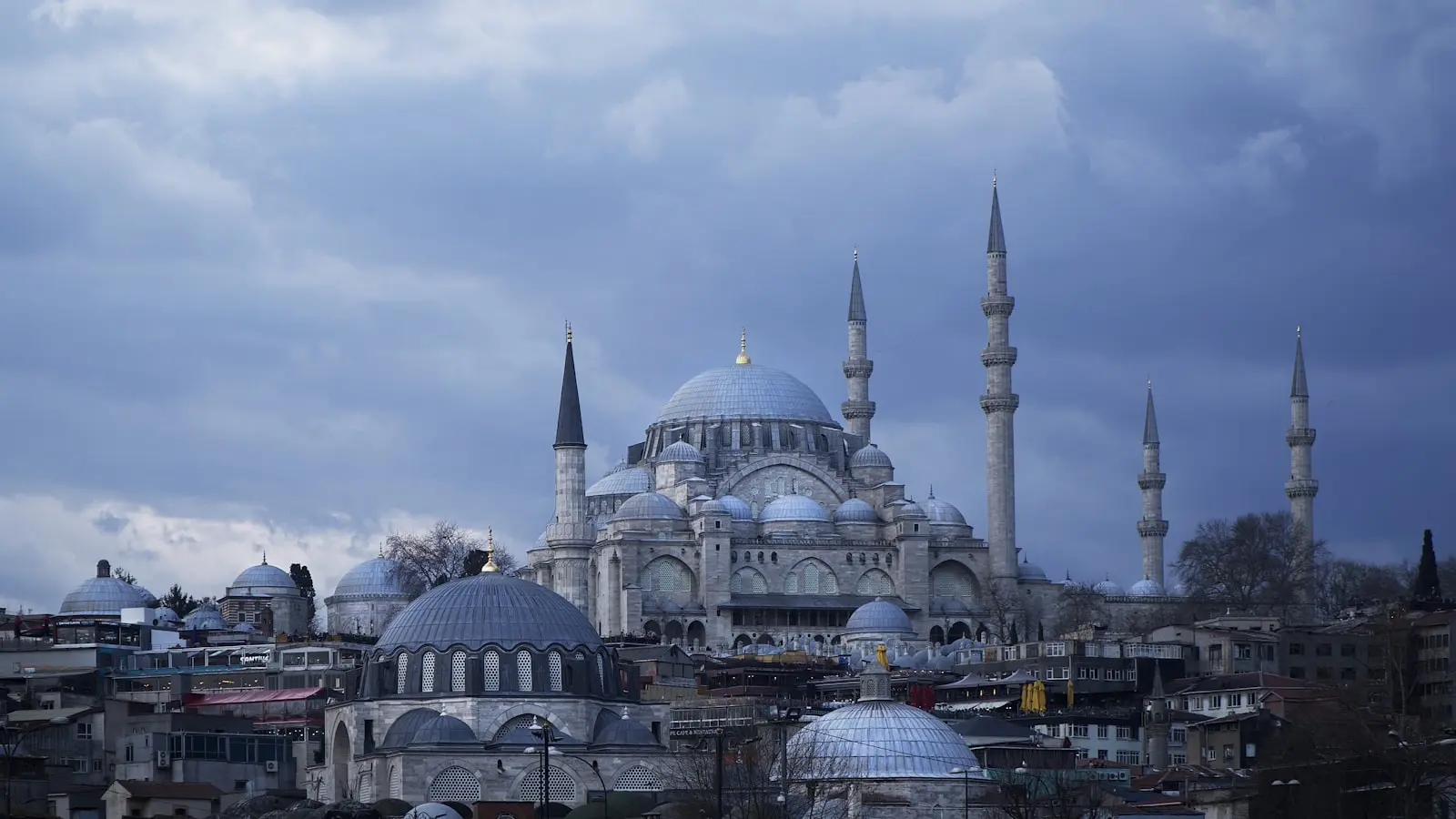
The most workable Istanbul four day itinerary follows geography rather than a landmark checklist. Give Sultanahmet its own day, make Topkapi Palace the focus of another, keep Galata and Beyoğlu together, then use a ferry day for waterfront views and recovery time.
Istanbul is not experienced as a tidy set of map pins. Hills, cobbles, security checks, crowds, waterfront crossings, prayer-time access, and the pleasure of stopping for tea can turn a short route into a demanding one. The aim is not to see fewer places; it is to give the important places enough time.
Key Takeaways
- Keep the historic peninsula, Galata-Beyoğlu, and ferry routes on separate days to avoid repeated crossings and uphill backtracking.
- Plan only one major interior visit each day; Topkapi Palace merits a dedicated block of time.
- Treat mosque entry, tower access, ferry departures, and queues as variable, and verify current details before setting the schedule.
- Use a ferry when it also takes you to a neighborhood you want to explore, not simply as an extra scenic task.
- Build in breaks and a flexible final evening; Istanbul rewards adjustment more than rigid timing.
Build an Istanbul Four Day Itinerary Around Geography, Not a Landmark Checklist
A realistic Istanbul itinerary 4 days usually includes one substantial interior visit, one or two nearby exterior sights, a proper meal break, and an unscheduled pocket of time. That buffer absorbs slow museum entry, rain, a long lunch, or the decision to stay longer in a square instead of marching to the next stop.
Keep the historic peninsula separate from Galata and Beyoğlu. They face one another across the water, but Galata to Sultanahmet is not an effortless flat walk. The route involves changing levels, busy roads, bridge or transit choices, and often more exertion than a map suggests.
Before fixing the order, check current official information for opening hours, ticket arrangements, closure patterns, security procedures, ferry operations, and mosque visitor access. These details can shift around religious holidays, special events, weather, and maintenance. Put ferries, towers, waterfront walks, and open viewpoints on the clearest available day rather than treating Day 1 as immovable.
Start each morning with an arrival cushion. Security and ticket lines can alter the rhythm of even a well-designed plan. In mid-afternoon, leave room for a reset: a café, park bench, slower walk, or food stop is part of experiencing the city, not time lost from it.
Day 1: Explore Sultanahmet and the Historic Peninsula at a Measured Pace
Begin early around Sultanahmet, when the square and its great buildings are easier to take in before the day fills up. Start with the Blue Mosque from the outside, continue through the Hippodrome area, and pause for breakfast or coffee before committing to an interior visit.
Visitor access to active mosques may be limited or redirected during prayer periods and religious observances. Check guidance posted at the entrance, follow staff instructions, and be ready to alter the sequence instead of waiting indefinitely.
For mosque visits, dress modestly, remove shoes where required, keep voices low, and stay within designated visitor areas. Photography may be restricted in particular spaces or moments. These are living places of worship first and historic sites second.
Take the historic core slowly. Its appeal is not only in monument interiors, but in the sequence of courtyards, domes, stonework, fountains, gardens, and streets around them. Trying to enter every major building on the first morning usually produces a blur of queues rather than a meaningful introduction to Istanbul historic sites.
In the afternoon, choose one nearby cultural stop if energy and queues permit, or continue through public spaces and gardens. Travelers who prioritize interiors can devote more time to this district and move Galata views or the ferry ride later. Those with reduced mobility should use taxis or transit selectively rather than treating every cobbled incline as essential.
Day 2: Make the Topkapi Palace Visit the Only Non-Negotiable Interior
A Topkapi Palace visit deserves its own center of gravity. It is not a quick room-by-room museum stop: security, ticket arrangements, multiple courtyards, collections, and view breaks can take much of a morning and extend into the afternoon.
Arrive near opening when practical, but confirm the current official schedule, closure pattern, last-entry policy, ticket categories, and any reservation requirements before you go. Do not assume every section will be open or included under one access arrangement. Routes and available areas can change.
Once inside, choose your emphasis. History-minded visitors may prioritize imperial spaces and collections; architecture lovers may move more slowly through courtyards and details; others may value the gardens and Bosphorus views most. Trying to see every room is the easiest way to turn the palace into a logistical exercise.
Allow time before entry for security and orientation, then plan a break after the main visit. A gentle walk toward Gülhane Park or the waterfront is a better counterweight than immediately stacking another large museum. The palace has already supplied the day’s major interior experience.
If you still have energy in the evening, consider Süleymaniye Mosque and its surrounding streets. Its elevated setting requires an uphill approach, so account for that effort. As with the Blue Mosque, treat visitor access as conditional outside active prayer periods, with same-day notices taking priority.
The trade-off is straightforward: Topkapi plus another large ticketed interior may seem efficient on paper, but it leaves little room for delays or contemplation. A palace day with one quieter evening landmark is usually more satisfying.
Day 3: See Galata, Karaköy, and Beyoğlu Without Forcing a Cross-City Sprint
Use Day 3 for Karaköy, Galata, and Beyoğlu rather than bolting them onto Sultanahmet. Begin near Karaköy or the lower Galata area and climb gradually toward Galata Tower. This lets the neighborhood unfold through workshops, cafés, side streets, and changing views instead of becoming a punishing uphill dash.
Treat Galata Tower as an optional viewpoint, not the day’s single point of failure. Check current operating hours, ticketing, weather conditions, accessibility, and queue arrangements before relying on it. If access is crowded, closed, or unappealing in rain, the neighborhood still works at street level.
Alternatives include waterfront views, a slower walk through the lanes around Galata, or publicly accessible terraces where available. A city view is valuable, but not if it costs hours of waiting and drains the pleasure from the rest of the day.
After lunch, explore Galata and Beyoğlu at a human pace. Plan a downhill return where possible, or use transit rather than insisting on a full walking loop. Heat, slick paving after rain, luggage, strollers, and knee problems make elevation more consequential than distance suggests.
For the best baklava Istanbul experience, avoid assuming that one famous address suits every traveler. Choose a place with visible turnover, clear prices, clean-looking storage and handling, and a location that fits naturally into the day. Fresh-looking pastry, distinct layers, and a filling that suits your taste matter more than a detour across town.
Baklava styles vary in sweetness, texture, nut filling, richness, and syrup. Buy a small selection if possible, compare what you enjoy, and ask about allergens when relevant. Confirm current hours, payment options, and location before making a special trip; a convenient, well-run stop on your route is often the better decision.
Day 4: Add an Istanbul Ferry Journey That Connects Views and Recovery Time
An Istanbul ferry itinerary earns its place when it does two jobs at once: it provides Bosphorus views and connects you to a neighborhood you genuinely want to visit. Used that way, the crossing becomes restorative transport rather than a scenic detour that consumes half the day.
Choose the journey by purpose. A short cross-strait or shoreline ride suits travelers who want open-water views with a modest time commitment. A longer route makes sense only if its destination is part of the day’s plan and you can remain flexible about the return.
Check the current operator information for routes, fares, payment methods, accessibility details, weather notices, and service changes close to departure. Avoid building a tightly timed lunch reservation or evening ticket around a crossing that may be affected by conditions or schedule adjustments.
A good Day 4 shape is simple: have a late breakfast near a terminal, take a daytime ferry, walk a waterfront segment or explore one destination neighborhood, stop for lunch, then return without racing toward another major monument. The water gives both eyes and legs a break after several days of stone streets and museum rooms.
Keep the final evening open for anything missed: a favorite district revisited, a food-focused wander, a calmer sunset view, or rest before departure. That loose ending often makes the trip feel more complete than squeezing in one final headline attraction.
If you have only three days, merge Days 3 and 4 with restraint. Choose a short ferry crossing and limit Galata to one viewpoint or a neighborhood walk. Do not compensate for the lost day by adding multiple major interiors.
Practical Adjustments for Prayer Times, Transit, Weather, and Mobility
Plan mosque visits around worship rather than a presumed all-day tourist timetable. If access is restricted, use the time for the square, nearby streets, a meal, or another exterior view, then return later only if it still fits the day.
A current Istanbul transit card or other approved payment method can reduce friction on public transport, but confirm the latest products, routes, fares, airport connections, and service notices before travel. Older travel advice can quickly become impractical.
Use a simple reset rule for crowds: if a queue exceeds the time you allowed, move to the next nearby outdoor sight, café, park, or waterfront stretch. Return only if conditions improve and the remaining plan still feels calm. Skipping one interior is usually less costly than losing an entire afternoon to a line.
For rain, move palace interiors, covered meals, and lower-effort neighborhoods earlier, while treating towers and long viewpoints as optional. For reduced mobility, reduce hills, use transit strategically, schedule longer breaks, and remember that a walkable map route may still involve uneven paving, slopes, crossings, and crowd pressure.
Check current travel, health, food-safety, and local guidance relevant to your nationality and circumstances. Practical caution is part of good itinerary design because it allows you to adapt without giving up the pleasure of the city.
FAQ
Is four days enough for an Istanbul itinerary that includes the major historic sites?
Yes, if you define major carefully. Four days can cover Sultanahmet, Topkapi Palace, major mosque exteriors and possible visits, Galata-area views, a ferry journey, and memorable meals. It is not enough to enter every museum, palace, church, market, and waterfront district without rushing.
What is the best time to visit Topkapi Palace to avoid wasting time in lines?
Arriving near opening is often the most sensible strategy because it gives you the widest margin for security, ticketing, and a slower visit. Confirm current official opening, entry, and closure information before committing, then keep the rest of that day deliberately light.
Can you visit the Blue Mosque and Süleymaniye Mosque as a tourist during prayer times?
Visitor access may be limited, paused, or redirected during active worship. Check posted guidance at each mosque, dress respectfully, follow staff directions, and be ready to return later rather than assuming entry is guaranteed.