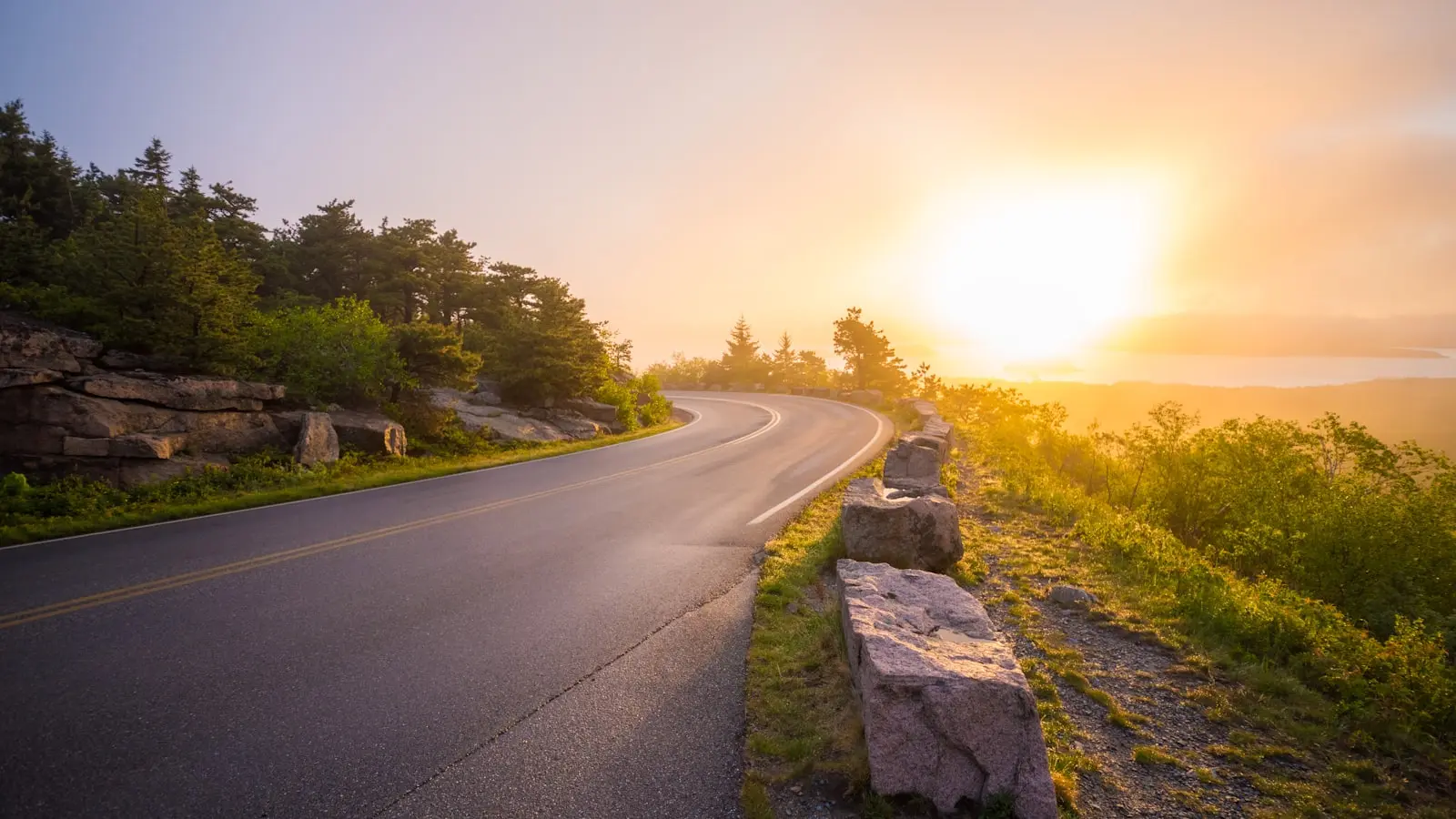
An Icefields Parkway itinerary works best when you treat the drive as the main experience, not a quick transfer between Lake Louise and Jasper. The route is commonly described as roughly 230 kilometres, or 145 miles, but map-based driving time measures only time behind the wheel. It does not include parking, short walks, meals, washrooms, changing weather, wildlife-related slowdowns, or the stops that make the route worth taking.
The simplest way to avoid rushing is to choose one anchor experience, add a small number of supporting stops, and protect a generous daylight margin. The Parkway rewards selectivity. A lake, waterfall, valley overlook, and glacier-area stop can make a full day without turning every parking area into a race against the clock.
Key Takeaways
- Treat direct driving time as a baseline, not a sightseeing schedule.
- A one-way route with an overnight near Lake Louise, Banff, or Jasper is usually less stressful than an out-and-back day.
- Choose one anchor stop, two to four secondary stops, and optional stops you can skip without disappointment.
- Fill up, download offline maps, pack food and layers, and check official road and park updates before leaving.
- Reduce the plan when weather, visibility, fatigue, parking, or road conditions remove your daylight buffer.
Before departure, check current conditions through Parks Canada, Alberta road reports, and relevant attraction operators. Road status, construction, weather advisories, services, parking arrangements, and attraction operations can change by season or on short notice.
Choose the Route Shape Before Choosing Stops
A one-way Banff Jasper road trip is usually the least rushed option. If you stay near Lake Louise or Banff before the drive and continue to Jasper afterward, you can travel north without retracing your route. This arrangement also gives you more flexibility if your wider Canadian Rockies itinerary later loops back through a different route.
A return drive can still work when lodging, flights, or rental-car arrangements require it. The trade-off is that the same road must serve as both destination and return journey. Trying to drive out and back in one day can turn a scenic route into a sequence of rushed parking-lot pauses.
An overnight near either end provides the most useful flexibility. It creates room for an early start, a delayed departure, a longer meal break, changing weather, or an unplanned stop that proves more rewarding than expected. It also reduces the pressure to arrive at your final accommodation after dark because you tried to add one more waterfall.
Choose your direction according to where you sleep before and after the drive, available daylight, the season, and any booked activity that needs to anchor the day. Also consider your comfort with mountain driving. Rain, fog, snow, ice, smoke, and reduced visibility can change both the atmosphere and the sensible pace of the route.
Build a short priority list before you leave. A practical formula is one must-do stop, two or three strong wants, and one or two optional stops. Optional stops are not evidence of an incomplete trip; they are what keep the itinerary flexible when conditions change.
Turn Driving Time Into a Sightseeing Schedule
A direct-drive estimate is a starting point, not a complete Icefields Parkway driving time. For a more realistic schedule, add time at priority stops, food and fuel breaks, washroom stops, parking time, short walks, weather buffers, and a margin before darkness.
A transit-focused drive can work when conditions are favorable and stops are intentionally limited. Think of it as a transportation day with a few scenic pauses, not a full exploration of the Parkway. It may suit travelers with a tight schedule who accept that several well-known stops will need to wait for another trip.
For most first-time visitors, a scenic full day is the better target. It gives you room for a handful of meaningful stops, short walks, a meal break, time to find parking, and enough slack to respond to rain or a viewpoint that deserves more than a few minutes. The exact pace depends on your starting point, destination, daylight, and current access conditions, but the day should feel spacious rather than tightly timed.
A two-day approach is calmer for hikers, photographers, families who need more breaks, travelers with lower walking tolerance, or anyone adding an icefield-area tour or activity. Two days do not require doubling the number of stops. They allow you to slow down, adapt to weather, and avoid turning every view into a deadline.
Packed lists fail for ordinary reasons. Parking can be slow, a viewpoint may involve more walking than expected, terrain may be muddy or uneven, and poor visibility can make a detour less worthwhile. Schedule farther or higher-elevation priorities early enough that the final stretch of the drive does not depend on fading light.
Build a Priority-Stop Itinerary Instead of a Checklist
The Icefields Parkway best stops depend less on popularity than on the kind of day you want. Rather than trying to collect every named landmark, group stops by effort and choose a few that suit your route, energy, and available daylight.
Quick scenic stops are useful for travelers with limited time or lower walking tolerance. These are views that can be enjoyed close to designated parking areas or after a brief walk. They also make sensible backup options if a longer stop becomes impractical because of weather, fatigue, or parking.
Signature lake and valley stops can include Bow Lake, Peyto Lake, Waterfowl Lakes, and nearby viewpoints. These places can reward even a modest amount of time, but do not assume the experience is identical from the car. Check current parking, trail access, walking surfaces, washrooms, and closures before relying on a particular stop.
Waterfall and canyon stops offer a different pace. Mistaya Canyon, Sunwapta Falls, and Athabasca Falls are examples that may fit naturally into a northbound or southbound plan, depending on daylight and where you are staying. Select one or two rather than treating every waterfall as mandatory. These places are more enjoyable when you have time to walk, listen, and look without watching the clock.
The Columbia Icefield area is best treated as an anchor experience rather than a casual add-on. Glacier-related viewpoints and commercial experiences may involve separate operations, tickets, shuttles, seasonal schedules, or closures. Confirm access routes, booking requirements, operating status, and expected timing directly with the relevant official operator before building your day around it.
A reliable selection framework is simple: choose one anchor, add two to four secondary stops that fall naturally along the route, and keep one or two optional stops for favorable conditions. Your anchor might be a lake, waterfall, glacier-area visit, or longer walk. Secondary stops should be easy to skip without making the trip feel diminished.
For lower walking tolerance, separate views visible near parking from destinations requiring stairs, slopes, uneven ground, or longer approaches. Avoid relying on broad labels such as accessible or easy. Confirm current accessible parking, washroom access, trail surfaces, shuttle arrangements, and mobility-specific details through official park information.
Plan the Logistics That Keep the Day Calm
Park logistics belong in the itinerary, not in a last-minute phone search. Before leaving, verify required park passes, vehicle rules, parking restrictions, reservations, and any shuttle requirements through Parks Canada and relevant attraction operators. These details may vary by location, season, and operating conditions.
Start with a full fuel tank. Services along a mountain corridor can be limited, seasonal, or affected by road and operational changes, so do not depend on an assumed mid-route fuel or food stop. Carry water, snacks, and a simple meal backup that can be eaten at a legal pullout or picnic area.
Use washrooms when they are available rather than waiting for the next planned stop. Facilities are helpful but should not be treated as guaranteed. A small day bag with water, tissues, hand sanitizer, extra layers, and personal essentials removes a great deal of friction from a long driving day.
Download offline maps before leaving larger towns. Save accommodation details, reservation confirmations, key parking locations, and emergency contacts to your device. Mobile coverage can be weak or intermittent in mountain terrain, and navigation should not rely entirely on a live signal.
Bring layers even if the forecast in town looks warm. Lakes, passes, waterfalls, and icefield areas can feel much colder or windier than Banff or Jasper. Rain protection, warm clothing, sturdy footwear, and season-appropriate vehicle preparation are practical essentials.
Use a Safety-First Weather and Wildlife Plan
Check official road reports, weather forecasts, park alerts, construction notices, closures, and any seasonal traction or tire guidance immediately before departure and again on travel day. Mountain conditions can change more quickly than a fixed itinerary can accommodate.
Reduce stops, alter the route, or postpone the drive when visibility is poor, precipitation intensifies, roads are icy, smoke is heavy, restrictions are in place, or the driver no longer feels comfortable. A delayed start matters, too. Once the daylight margin disappears, a long stop list becomes a liability rather than an opportunity.
Wildlife is another reason to leave room in the schedule. If you encounter animals, follow current park guidance, maintain a safe and legal distance, and never feed, approach, surround, or block them. Do not stop in unsafe locations or contribute to roadside congestion for a photograph.
The most useful decision rule is straightforward: seeing fewer places safely and unhurriedly is a better Icefields Parkway itinerary than completing a checklist under pressure. The route still delivers its mountain scale on a day when you skip half the stops. What lasts is usually the moment you had time to stand still.
FAQ
How long should I allow for an Icefields Parkway itinerary?
Allow more than direct driving time if you want a sightseeing day. A limited-stop journey may work as transportation in favorable conditions, while a full scenic day better suits travelers planning several short walks and major viewpoints. Add more time for hikes, tours, slower mobility pacing, uncertain weather, or shorter daylight periods.
Can you drive the Icefields Parkway in one day from Banff to Jasper?
Yes, a one-day Banff Jasper road trip can be possible, but it requires an early start, favorable conditions, disciplined stop selection, and flexibility. Plan for one anchor experience and a small set of secondary stops rather than assuming every lake, waterfall, overlook, and icefield attraction will fit.
What are the best stops on the Icefields Parkway with limited time or mobility?
Start with designated viewpoints and lake or valley stops that can be appreciated near parking, then add only one stop requiring a longer walk. Bow Lake, Peyto Lake, Waterfowl Lakes, and selected waterfall viewpoints may be worth considering, but confirm current parking, walking surfaces, accessible facilities, closures, and trail conditions through official sources before committing to a route.