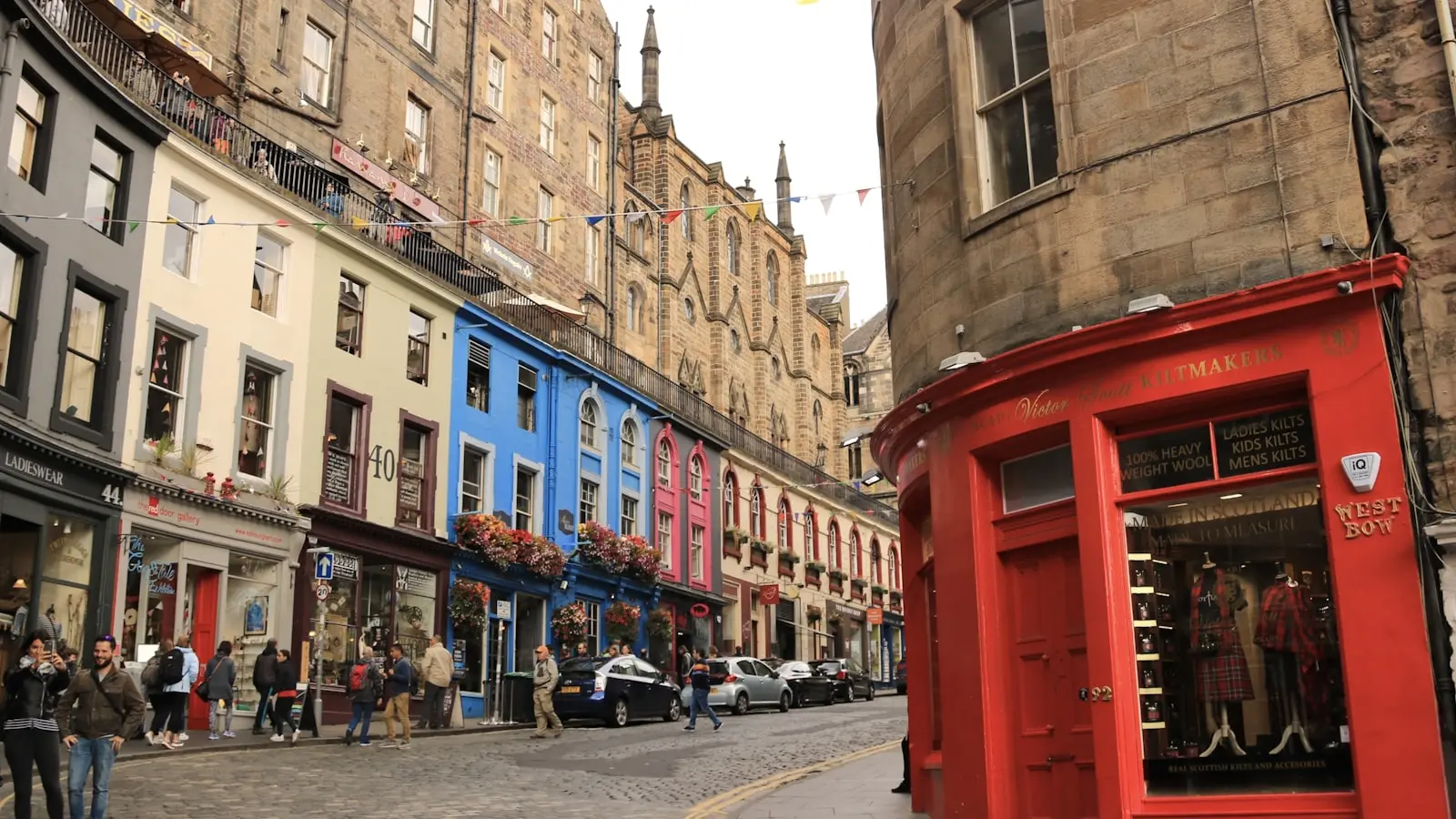
Using Edinburgh as a single base can come with hidden costs, but whether they outweigh the convenience depends on how you plan the days. One hotel, one unpacking, one set of return routes. For a weekend or a trip focused on the city, that convenience is usually worth paying for. The trouble is that the same arrangement can quietly create new expenses: day trips cost more than people expect, central restaurants carry a tourist premium, and the city’s visitor levy can add 5% to the accommodation bill.
The key question is not whether Edinburgh is a cheap place to stay. It is whether the money you save by not moving hotels is bigger than the money you lose to daily transport and tourist-priced meals. For many travelers, the answer depends on how far they plan to roam.
Key Takeaways
- A single Edinburgh base simplifies logistics but can shift costs into transport, meals, and small extras.
- Day-trip fares vary by time and booking lead time; a rail pass only pays off when you make several long journeys.
- Edinburgh’s 5% visitor levy can raise the final hotel bill unless the quoted rate already includes it.
- Multi-base itineraries are not always more expensive; they can save money and time if they cut out long return trips.
One City, One Hotel Bill: The Assumption That Saves Money
Staying in one place removes the hassle of packing, checkout times, and baggage storage. It also makes budgeting simpler: one room rate, one location, one set of keys. That is why so many Scotland itineraries use Edinburgh as a hub.
But the single-base logic only works if the days are built around what Edinburgh can reasonably offer. Once you start adding long-distance day trips, the comparison changes. A hotel outside the city center might look cheaper per night, but if it is poorly connected, you are trading cheap lodging for taxi fares or complicated transfers. A central Edinburgh room is convenient, yet convenience has a price.
Edinburgh also has a visitor levy. Under current rules, 5% is added to overnight stays in paid accommodation. The precise rules depend on the property and the booking terms, so always confirm whether a quoted rate includes it. A £150 room can become £157.50, which does not sound huge until you multiply it by five nights.
The Commuting Trap: What Day Trips From Edinburgh Really Cost
Many travelers use Edinburgh as a launchpad for Loch Lomond, Stirling, St Andrews, Glen Coe, or the Highlands. The distances do not look terrible on a map, but the costs add up. Rail and bus fares vary by route, time of day, and booking lead time. A ticket bought a few days ahead can be much cheaper than a last-minute fare, but not always. A rail pass is only a saving if you would otherwise make several long journeys.
Suppose you plan four or five major day trips. Point-to-point tickets may total more than expected, especially at peak times. If you hire a car instead, the real expenses are not only the rental rate: city parking, fuel, and the time spent driving unfamiliar routes can easily outweigh the apparent saving.
Time is a hidden cost too. A day trip to Oban or Inverness is possible, but it swallows most of the morning and evening. You might arrive at noon and have to head back by late afternoon. That is an expensive way to see a place, and it often leads to extra spending on convenience food because you skipped breakfast or ate on the move.
Tourist-Priced Edinburgh: Daily Spending Adds Up
Once you are in Edinburgh, daily spending can be higher than in a smaller Scottish town. The streets around the Royal Mile and Edinburgh Castle are the most obvious example. A café breakfast in that zone can run £12 to £18, and a pub lunch with a drink can be closer to £20. That does not mean every meal is overpriced, but the menu prices are designed for people who are passing through.
Attractions add another layer. Edinburgh Castle, the Palace of Holyroodhouse, and the National Museum of Scotland each has separate entry arrangements. Some are free, some require timed tickets, and some are far more expensive if you book a package tour with extras you do not use. A skip-the-line or guided-tour add-on may be worth it, but only if it saves real waiting time.
Small expenses are where the base camp budget quietly leaks. Bus and tram fares, station lockers, bottled water, takeaway coffee, and an occasional taxi after a long walk all feel minor in the moment. Over a week they can easily add up to more than one good meal out. That is why the real cost of an Edinburgh base often lands higher than the initial quote suggests.
The Multi-Base Comparison: When Moving Hotels Makes Sense
Multi-base itineraries are not automatically more expensive. They can reduce backtracking and give you early-morning or late-evening access to places that are too far for a day trip. For example, staying in Inverness for two nights makes Loch Ness and the north coast practical. Staying in Oban opens up Mull, Iona, and the west-coast islands. Fort William puts Ben Nevis and Glen Coe on your doorstep.
The downside is that moving hotels adds its own line items. You will spend money on transfers between towns, sometimes on luggage storage, and occasionally on a meal eaten in a rush instead of a slower local dinner. Rural accommodation can also cost more than a city budget hotel, especially in high season. The trick is to compare total itinerary cost, not nightly rates.
- Use Edinburgh as the only base if the trip is short, the main focus is the city and the central belt, or you prefer unpacking once and limiting transfers.
- Split bases if you are traveling for a week or more, want to reach Skye, the far north, or the islands, or you dislike long daily round-trips.
Calculate each route’s total: accommodation for every night, transport between bases, daily travel to sights, meals, and the cost of time lost to moving. A route that looks more expensive per night may be cheaper overall because it removes two long rail days.
How to Keep One-Base Costs Down Without Relocating
Stay near transport. A room close to Waverley Station, Haymarket, or a tram line means you can use local buses rather than taxis. If you book outside the city center, make sure the walk to a bus stop is short and safe after dark.
Plan meals strategically. Eat breakfast where you are staying or buy supplies at a supermarket. Look for lunch specials in pubs, which are often better value than dinner menus. Try Leith or other neighborhoods away from the Royal Mile for a more local price and a quieter room.
Pick day trips within a realistic radius. St Andrews, Stirling, North Berwick, and the Borders are manageable. Attempting Glen Coe and Oban as day trips from Edinburgh is where the budget starts to hurt.
Book transport in advance, but verify whether a rail pass beats point-to-point fares. If you only make one or two long journeys, a pass may not pay for itself. Check luggage restrictions and reserve seats where possible.
Confirm accommodation charges. Ask whether the price includes the visitor levy, whether breakfast is extra, and whether there are fees for late check-in or parking. Those are not fringe concerns; they are usually the difference between a quote and a bill.
FAQ
Is it cheaper to stay in Edinburgh or split the trip between Edinburgh and the Highlands?
It depends on your route. Splitting saves return travel and allows more time in the Highlands, but adds transfers and possibly higher lodging costs. Work out the total cost of each version before booking. For a week or more, a split often makes sense; for a short city break, Edinburgh alone may be cheaper.
How does Edinburgh’s 5% visitor levy affect my hotel bill?
Under current rules, a 5% charge is added to overnight stays in paid accommodation in Edinburgh. On a £200 per night room, that is £10 extra per night. The exact scope can depend on the property and booking date, so check whether your quote includes it before you book.
What are the most common hidden expenses when using Edinburgh as a base?
The biggest items are day-trip transport, tourist-priced meals near the Royal Mile, attraction add-ons, station lockers, taxis, and the visitor levy on accommodation. They add up because each one looks small on its own. Budget for them before you book, not after.