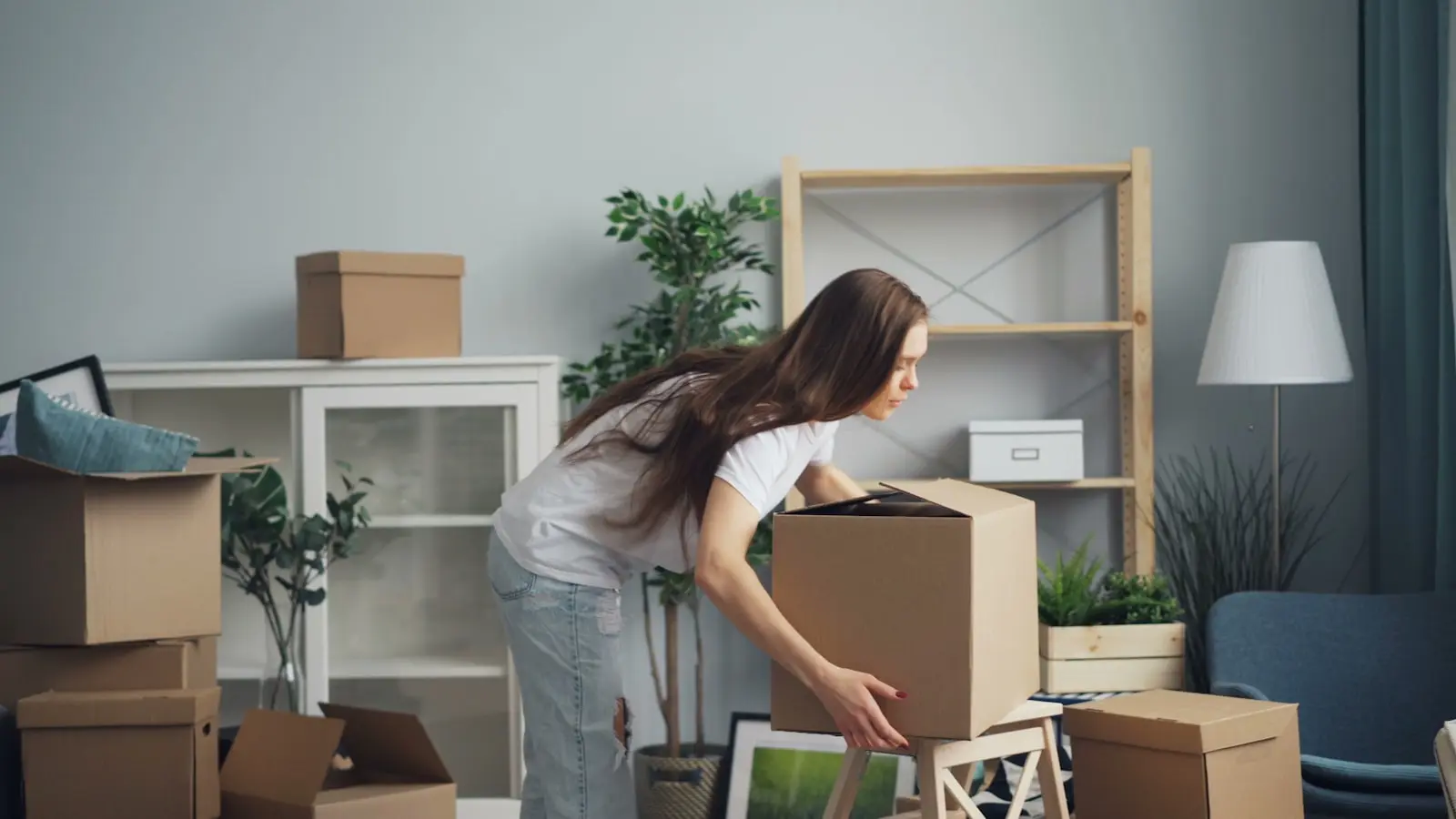
An empty apartment creates pressure to fill it quickly. The cheapest way to furnish a first apartment is to combine a short first-month essentials list, used furniture for durable pieces, a new mattress, and a few reinforced flat-pack items for things that do not need to last forever. The goal is not the lowest price tag. It is the lowest cost per year of real use.
Key Takeaways
- Compare cost per year of use, not sticker price, when choosing between used and new furniture.
- Buy a new mattress and pillows; look for used solid-wood dressers, tables, chairs, and metal bed frames.
- Spend the first month on sleep, seating, storage, and light only.
- Reinforce flat-pack furniture with wood glue, corner brackets, and hardboard backing.
- Avoid full-room furniture packages bought on credit and impulse decor that does not add function.
Cost-per-use: why the cheapest price tag is not the cheapest furniture
The true cost of a piece includes what you pay, how long it lasts, and what it costs to get it into your apartment. A bargain nightstand might be cheap until the drawer sags or the legs loosen. A higher-priced used solid-wood nightstand may cost more upfront, but if it survives two moves and still works, it becomes the better deal. That is cost-per-use. A simple way to compare options is to divide total cost by the number of years you expect to use the piece.
Hidden costs matter just as much. Online discount furniture can come with delivery fees, curbside-only drop-off, and assembly work that eats an afternoon. A heavy sofa bought from a secondhand seller may require a rented van and a friend to carry it up stairs. The cheapest apartment furniture is the piece that does the job without a long list of add-on expenses.
The biggest trap is cheap particleboard. Some budget furniture is made with thin particleboard, cam locks, and papery backing. It can look fine in the store and fail when moved. It may still be worth buying if you know it will be temporary, but treat it as a short-term expense, not an investment. If a piece needs to hold weight, survive a move, or last through multiple apartments, spend more on used solid wood or new furniture with a steel frame.
The first-month furniture priority list
Do not try to furnish every room at once. Focus on what makes the apartment livable in the first month. Buy by function, not by room.
- Sleep: a new mattress and a simple bed frame or platform base. A used metal frame is fine if it is clean and stable, but buy the mattress new.
- Sit and eat: a compact table, two chairs, and one comfortable seat such as a loveseat or armchair. This gives you a place for meals, guests, and rest without buying a full living room set.
- Store: a dresser or chest for clothes and daily essentials. Used solid-wood dressers are often cheaper and sturdier than flat-pack alternatives.
- Light: at least one lamp so the apartment is comfortable at night. Rental overhead lights can be harsh or missing.
Leave non-essential rooms empty. Skip decor, wall art, rugs, and extra shelving in month one. They will show up through secondhand finds later. The first apartment furniture checklist should be short enough to fit a small budget and a small car.
Best places to find cheap apartment furniture used
The best selection of used furniture is usually on local marketplaces and community networks. Facebook Marketplace, Craigslist, OfferUp, Nextdoor, and local free groups are common places to search. Flea markets, estate sales, moving sales, and apartment building bulletin boards can also turn up good pieces. Prices vary by city, season, and how quickly a seller wants the item gone.
Inspect before you pay. Open drawers, pull on handles, check corners for water damage, and look for signs of pests. A wobbly leg or a missing drawer slide is often fixable, but a swollen board or a strong smoke smell is not worth the discount. Ask whether the piece comes from a smoke-free home and has been stored indoors. Bring a measuring tape to confirm it fits through your door and into the room.
Some items are reasonably safe to buy used. Solid-wood dressers, tables, chairs, bookshelves, and metal bed frames are often good candidates. Upholstered sofas can be bought used if you inspect them carefully, but they carry a higher risk of hidden stains and pests such as bed bugs. The clear priority for a first apartment is to buy a new mattress and new pillows. A used mattress is not worth the hygiene risk to save money.
Making flat-pack furniture last longer
Flat-pack furniture from budget lines at big-box and online retailers can work if you choose the right pieces and reinforce them. A bookcase that holds light baskets is a different job from a dresser that gets opened every day. Look for pieces with solid tops, steel legs, or real wood components instead of the cheapest laminated board.
Reinforce flat-pack furniture at assembly time. Wood glue on dowels and joints, metal corner brackets on high-stress corners, and a piece of hardboard replacing the flimsy cardboard backing can make a unit far sturdier. Do not overtighten screws, because stripped holes ruin the piece. When moving, disassemble the furniture instead of dragging it fully loaded. Many cheap pieces break during a move, not during daily use.
Flat-pack can be a smart way to save money furnishing an apartment, especially for items you know you will replace. But if you expect the furniture to survive more than one move, look for a model with simpler assembly and stronger materials. A slightly higher price can be one of the most affordable furniture options if it saves you from buying the same piece twice.
Timing purchases and avoiding the cheap furniture trap
Timing can help if you are not in a rush. Retail furniture sales often cluster around holiday weekends and end-of-season clearance periods, but store cycles vary. If you can wait, check current local sales and compare prices over a few weeks. If you cannot wait, one good used piece is usually a better deal than a discounted item that needs to be delivered and assembled immediately.
Consider when to buy cheap furniture. It makes sense for temporary, lightweight, or rarely used items. It makes less sense for anything that must support weight, survive a move, or last for years. The trade-off is between low upfront cost and hidden replacement risk.
Avoid the temptation to buy a full room package on credit or financing. Those packages look convenient, but the real cost can climb with interest, delivery, and the pressure to fill space before you know how you actually use it. A first apartment should be furnished in layers. Set a spending cap for the first round and treat it as the baseline, not the final word.
Impulse decor is another trap. Empty rooms make people buy cheap wall art, throw pillows, and decorative bowls to feel settled. Those purchases add up without improving function. Use the first month to live in the space, track how you use it, and let better secondhand finds appear. The cheapest apartment furniture plan is patient enough to pass on something just okay today because something better will show up next week.
Frequently asked questions
Is it cheaper to buy used furniture or cheap new furniture?
Usually used solid-wood furniture has a lower cost per year of use. Cheap new furniture can be cheaper upfront, but it often needs to be replaced sooner. The best answer depends on the piece and your plan for moving.
What furniture should always be bought new for a first apartment?
Mattresses and pillows are the clearest example. Any used upholstered item with a strong smell, visible stains, or signs of pests should be avoided. Mattress hygiene matters more than saving money.
How much does it cost to furnish a first apartment on a budget?
There is no fixed price because cities, furniture availability, and what you already own change the total. A sensible first round can be far cheaper than a retail showroom package if you rely on used pieces for most of the room and buy only the highest-priority items new.