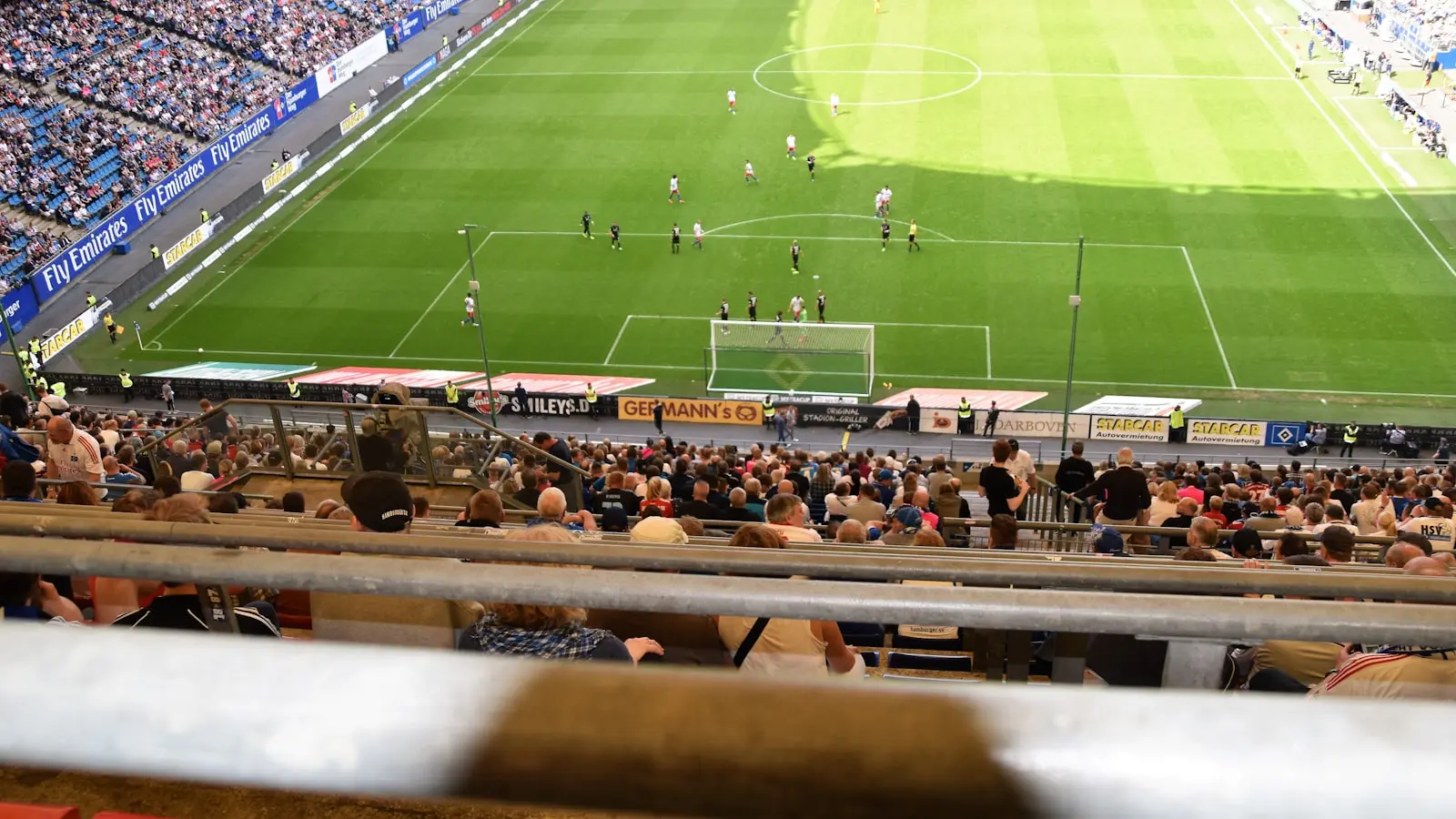
The Binary Reality at the Turnstile
Turnstiles outside the Emirates Stadium do not process sentiment. They read binary data. When a foreign visitor presents a smartphone screen to the optical scanner, the stadium access control system registers either a valid cryptographic token or a null value. The physical outcome is immediate. A green light engages the mechanical rotation. A red light locks the mechanism in place. Increasingly, international tourists arriving in London trigger the red light. Foreign visitors find themselves locked out of Premier League matches holding deactivated QR codes, while unregulated third-party resellers walk away with thousands of pounds in untraceable transactions.
The global popularity of English football drives immense, inelastic demand from short-term visitors. These tourists operate completely outside the strict, closed-ecosystem membership requirements needed to legitimately purchase face-value tickets. They search for immediate access. They encounter sophisticated search-engine optimized resale platforms masquerading as official vendors. The secondary market operates with ruthless efficiency.
The Mechanics of a Closed Ecosystem
Premier League clubs do not operate traditional box offices. They govern engineered scarcity. Access to a matchday ticket requires integration into a tiered, annual membership architecture.
Fans pay a baseline yearly fee simply to acquire a digital identification number. This number grants the right to enter algorithmic ticketing queues at specific times, often months ahead of a fixture. A standard top-tier London stadium holds roughly 60,000 seats. Subtract the away allocation, corporate hospitality boxes, and legacy season ticket holders. The remaining inventory designated for general members hovers in the low thousands.
Short-term visitors lack the time, awareness, and digital history to navigate these algorithmic queues. The friction is deliberate. Clubs utilize this closed ecosystem to guarantee stadium security, reward local loyalty, and track consumer data. The structural byproduct is a massive void in accessibility for the transient global fanbase. Unregulated secondary markets fill this void instantly. (A predictable outcome of asymmetrical supply and demand.)
How Unregulated Resale Networks Operate
The black market does not rely on street touts whispering outside subway stations. The modern ticket scam executes through digital arbitrage. Resale networks harvest legitimate club memberships using automated bot structures. They deploy software to secure face-value tickets the second a digital queue opens. Once the inventory is secured, the digital assets move to unregulated domains.
The tactical execution of the scam takes several forms. The most prevalent involves the duplication of static QR codes. A tout acquires a single valid digital ticket. They screenshot the barcode. They list the identical asset across multiple third-party platforms, selling the same seat to four different foreign buyers at a 500 percent markup.
Only the first buyer to reach the turnstile registers a valid entry. The system logs the token as consumed. When the subsequent buyers present the identical barcode, the access control software flags a duplicate attempt and deactivates the entry sequence. The buyers are turned away. The tout retains the capital from all four transactions. The system fails the consumer. Constantly.
Clubs attempt to counter this by deploying Near Field Communication (NFC) technology and dynamic barcodes that refresh every thirty seconds. The secondary market adapts immediately. Instead of selling a barcode, touts now sell temporary access to entire hijacked member accounts. They instruct the buyer to download a digital wallet, transfer the login credentials, and instruct the buyer to delete the profile immediately after entry. When clubs detect anomalous login locations—such as a local London membership suddenly accessed via a foreign IP address hours before kickoff—they deactivate the digital ticket entirely. The tourist absorbs the loss.
The Mathematics of Stadium Capacity Constraints
The root cause of the secondary market crisis sits entirely within structural mathematics. The Premier League engineered a broadcast product designed for global consumption but maintains local physical infrastructure tailored to regional demographics.
Consider the baseline attendance metrics versus global broadcast reach.
- Average Top-Tier Stadium Capacity: 60,000 seats
- Average Season Ticket Allocation: 40,000 seats
- Average Away Fan Allocation: 3,000 seats
- Remaining General Admission: 17,000 seats
- Estimated Global Fanbase (Per Top Club): 100,000,000+ individuals
You cannot fit a television audience of hundreds of millions into Stamford Bridge. When a short-term visitor schedules a five-day vacation to London, the statistical probability of securing one of those 17,000 general admission seats through official channels rounds down to zero.
Tourists willingly pay exorbitant premiums because the alternative is missing the event entirely. The touts understand this leverage. They extract maximum capital from desperate buyers. The scoreboard lies about who controls the stadium access. The touts control the margins.
Authorized Arbitrage Through Hospitality Packages
Sports travel forums continually warn foreign visitors to abandon the unregulated secondary market. The data supports this directive. The failure rate on unverified platforms sits at highly destructive levels. The only mathematically secure bypass for the closed membership ecosystem requires purchasing official hospitality packages.
Clubs partner with authorized international resellers to bundle match tickets with auxiliary services. A standard face-value ticket priced at £60 transforms into an £800 package containing a hotel stay, a stadium dining experience, and guaranteed matchday access.
This system constitutes a sanctioned form of arbitrage. The club captures the premium directly rather than allowing unregulated touts to extract the value. For foreign tourists, this represents the sole frictionless entry point. The transaction guarantees a valid cryptographic token at the turnstile. (It requires vast capital, but the entry is absolute.) Foreign visitors attempting to circumvent this authorized premium by hunting for cheap secondary market deals inevitably feed the scam ecosystem.
Structural Gridlock and the Supporters’ Trust Lobby
The friction between local fanbases and global tourism creates persistent structural gridlock. Supporters’ trusts continuously lobby club ownership to protect local ticketing allocations. They view the stadium as a community asset, not a tourist destination. They demand aggressive digital enforcement to shut down account harvesting and bot networks.
Simultaneously, these trusts recognize that desperate tourists fuel the black market that ultimately prices out local fans. Some factions advocate for a dedicated, transparent tourist allocation system—a localized ballot strictly for international passports.
Clubs hesitate to implement this structural overhaul. Every ticket allocated to a transient tourist represents a ticket denied to a recurring local member. The data suggests clubs prioritize the retention of local season ticket holders who drive consistent matchday revenue across decades, rather than optimizing for single-event tourist transactions.
Until the distribution architecture shifts, the secondary market will continue to exploit the mathematical deficit. London travel volumes rebound. The global broadcast reach expands. Stadium footprints remain static. The turnstiles will continue to flash red for those who trust unregulated search results over structural realities. The numbers dictate the outcome.