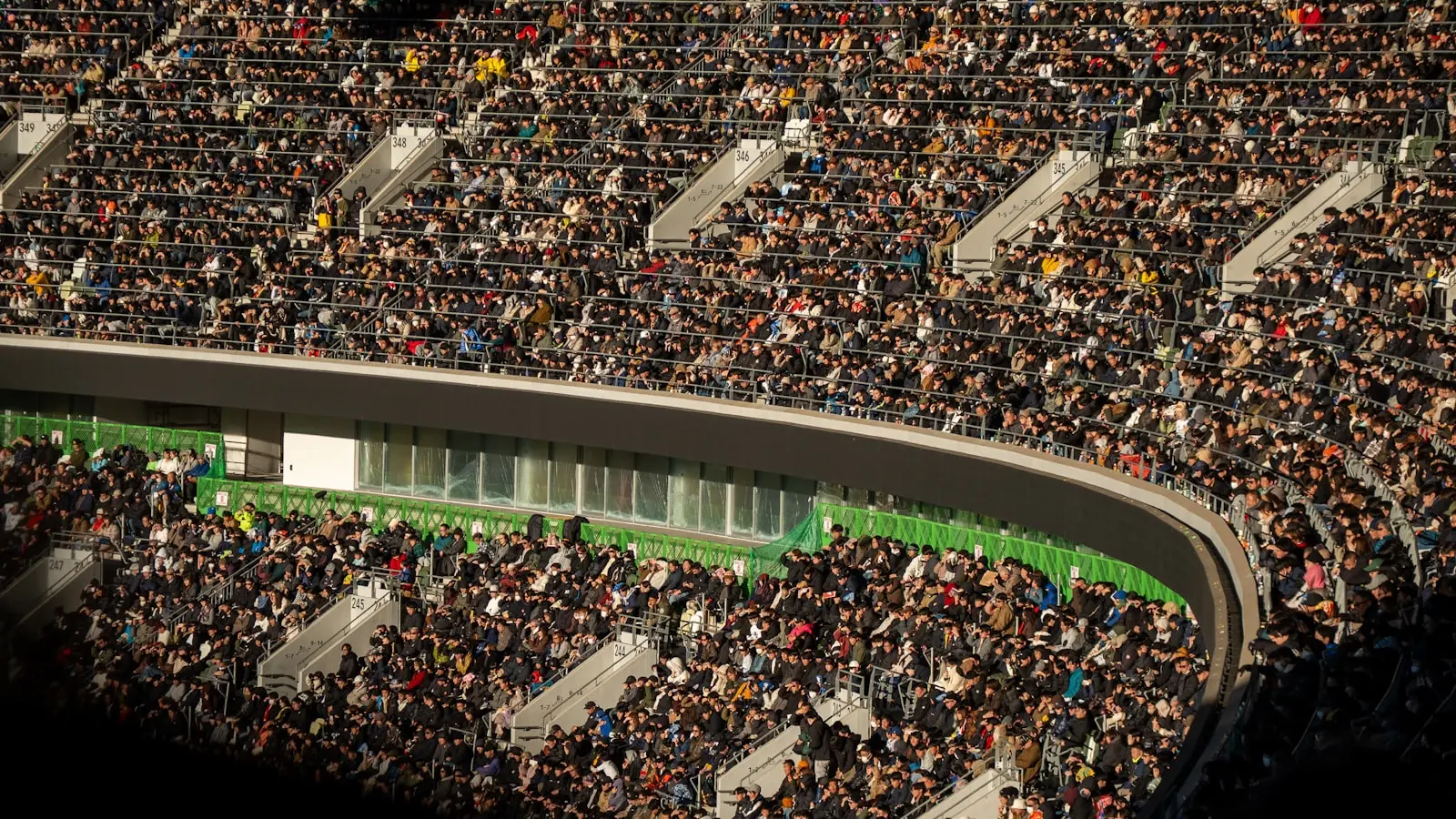
Japan’s football stadiums combine World Cup legacy, passionate fan culture, and modern architecture. For travelers, choosing which ones to visit depends on atmosphere, accessibility, and cultural significance. Here are the key takeaways to plan your trip.
Key Takeaways
- Saitama Stadium, Nissan Stadium, and Panasonic Stadium Suita offer the most intense matchday atmospheres due to steep stands and fan proximity.
- Ecopa Stadium in Shizuoka provides a scenic, less urban experience near Mount Fuji.
- Tickets for J League matches are easiest to buy via the official English website, then print at convenience stores in Japan.
- The J League season runs March to December; weekend matches and cooler months like April, May, October, and November are ideal.
- Many stadiums offer guided tours on non-match days – book ahead through official websites.
Why These Stadiums Made the Cut
Choosing the best football stadiums in Japan for a visiting fan means balancing atmosphere, architecture, accessibility, and cultural significance. Atmosphere depends on crowd intensity and proximity to the pitch. Architecture includes unique shapes, retractable roofs, and sightlines. Accessibility covers public transport links and ease of buying tickets as a foreigner. Cultural significance ties to World Cup 2002 history or deep club traditions. The venues below excel across these factors and offer a complete matchday experience.
Top 5 Must-Visit Football Stadiums in Japan
Nissan Stadium (Yokohama) – Japan’s largest stadium with a capacity of 72,327. It hosted the 2002 World Cup final and is home to Yokohama F. Marinos. The bowl design keeps spectators close to the pitch, and the atmosphere builds when full. Access is easy: a ten-minute walk from Shin-Yokohama Station. After the match, you can explore Minato Mirai or Chinatown.
Japan National Stadium (Tokyo) – The centerpiece of the 2020 Olympics holds 67,750 fixed seats (expandable to 80,016 with temporary stands). Located in Shinjuku, it is used for national team matches and cup finals. The sleek, layered design integrates wooden elements and natural ventilation. While J League clubs rarely play here, it remains a must‑see for any football fan in Tokyo. Check for tour availability on non‑match days.
Saitama Stadium (Urawa) – Home to Urawa Red Diamonds, this 63,718‑seat venue is famous for its passionate supporters. The steep stands create a cauldron‑like noise that can unsettle visiting teams. Access from central Tokyo takes about 30 minutes by train. For the full experience, aim for a match against a rival like Kashima or Yokohama F. Marinos.
Ecopa Stadium (Fukuroi) – Nestled in the green hills of Shizuoka, this 50,889‑seat World Cup 2002 venue offers a scenic setting. It is shared by Jubilo Iwata and Shimizu S‑Pulse. The open design and surrounding countryside make it a pleasant trip. Combine with visits to local tea plantations or Mount Fuji viewpoints.
Panasonic Stadium Suita (Osaka) – A modern football‑specific ground built in 2015 for Gamba Osaka. Capacity is 39,694. The steep bowl amplifies crowd noise and gives excellent sightlines. Its location near Expo ’70 Park and the Expocity complex makes it easy to pair with shopping or dining. Osaka’s culinary scene is an added bonus.
Honorable Mentions: Kashima Soccer Stadium (Japan’s first football‑specific ground), Ekimae Real Estate Stadium in Tosu (visible right from the train station), and Yurtec Stadium Sendai (compact and fan‑friendly with excellent transport links).
How to Get Tickets as a Foreigner
The official J League English ticket site is the safest starting point. After purchasing online, you can print tickets at any Japanese convenience store (7‑Eleven, FamilyMart, Lawson) using a code. Many clubs also offer mobile tickets through apps. For high‑demand matches—especially those involving Urawa Red Diamonds—buy weeks in advance. Avoid resale markets that are not officially endorsed; scams are rare but possible. Some clubs have English‑language ticket links on their websites. If you are visiting during a non‑match day, check the stadium’s official site for tour bookings.
Best Times to Visit
The J League season runs from March to December, with a break in summer for the Emperor’s Cup and potential international windows. Weekend matches (Saturday or Sunday) generally draw larger crowds and better atmosphere. July and August can be hot and humid, making evening kickoffs more comfortable. Avoid Golden Week (late April to early May) and Obon (mid‑August) when domestic travel surges and transport is crowded. Stadium tours are typically available on non‑match days; book ahead as slots may fill.
Combining Stadium Visits with Other Attractions
- Yokohama: After a Nissan Stadium match, walk to Minato Mirai for waterfront views or visit the Cup Noodles Museum.
- Tokyo: Japan National Stadium is close to Shinjuku Gyoen, Meiji Shrine, and Harajuku. You can easily spend a day in the area.
- Osaka: Panasonic Stadium Suita sits next to Expo ’70 Park and the Expocity shopping mall. Try local takoyaki before heading to Dotonbori.
- Shizuoka: Ecopa Stadium is surrounded by green tea country. A short train ride brings you to Fujinomiya for Mount Fuji views.
- Saitama: Saitama Stadium is a short hop from central Tokyo. Visit Omiya Bonsai Village or the Saitama Super Arena for other attractions.
FAQ
Which Japanese football stadium offers the best atmosphere?
Saitama Stadium (Urawa Red Diamonds) is often cited for its intense, passionate crowd. Nissan Stadium and Panasonic Stadium Suita also rank high due to their steep stands and fan proximity.
Can I visit these stadiums when there’s no match?
Yes – many stadiums offer guided tours on non-match days. Check the official club or stadium website for schedules and booking. Examples include Japan National Stadium tours and Nissan Stadium behind-the-scenes visits.
How do I buy J League tickets from overseas?
Use the official J League ticket website (e-ticketing) or the club’s direct ticket portal. Tickets can be printed at Japanese convenience stores after online purchase. Some clubs also offer mobile tickets via apps.