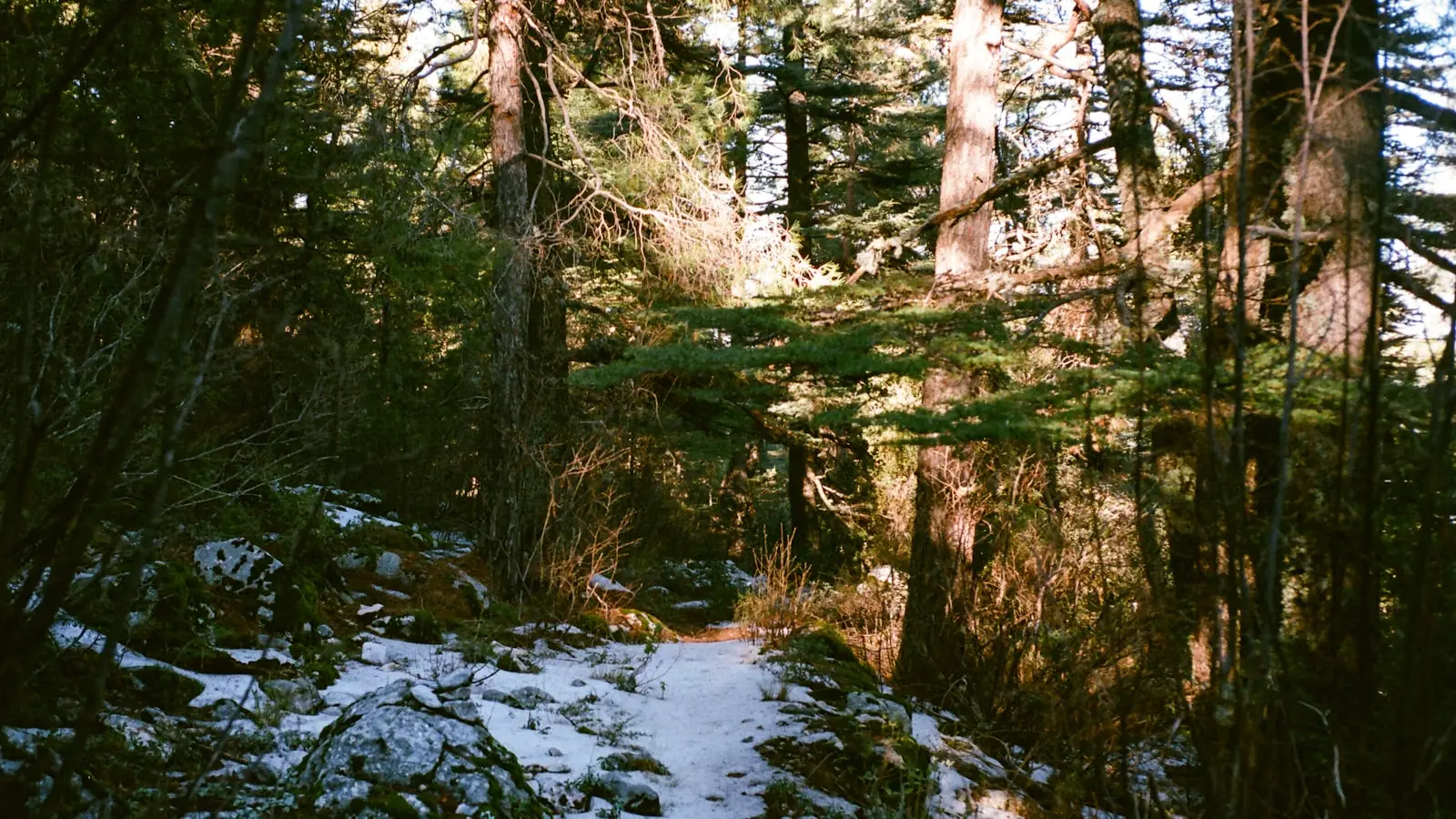
If you are planning a month-long trip to Turkey and want to combine coastal scenery, ancient ruins, and varied terrain, the best hiking trails are the Lycian Way, day hikes around Kaş and Olympos, Cappadocia valley walks, and shorter coastal routes like Butterfly Valley. Each offers a distinct balance of difficulty, cultural payoff, and logistical ease.
Key Takeaways
- The Lycian Way is the premier long-distance trek for coastal views and ancient ruins; it can be hiked in sections if you have limited time.
- Day hikes around Kaş and Olympos provide an easy, gear-free introduction to Turkey’s hiking and archaeology.
- Cappadocia valley walks deliver unique fairy chimney scenery and pair naturally with hot air ballooning.
- Spring (April–May) and autumn (September–November) are the best seasons for most trails; always carry offline maps and at least 2 liters of water.
Lycian Way: The Ultimate Long-Distance Trek
The Lycian Way is Turkey’s first and most famous long-distance hiking trail, running roughly 500–530 kilometers along the Mediterranean coast from Fethiye to Antalya. It is moderate to challenging, with daily climbs of 700–1,000 meters in some sections. The best seasons are spring (April–May) and autumn (October–November); summer heat can be punishing on exposed coastal stretches.
Highlights include Patara Beach (a 12-kilometer stretch of sand with ancient ruins), the seaside town of Kaş, the Chimera flames near Olympos, and Mount Tahtalı. You also pass dozens of Lycian rock tombs and Roman cities like Xanthos and Phaselis. The trail is well-marked thanks to the Culture Routes Society, but offline maps (Maps.me, AllTrails) are essential for remote sections where phone service drops.
Practical tips: The full route takes about 25–30 days, but most hikers break it into 3–7 day sections. You can stay in pansiyons (guesthouses) for most of the route, which means you do not need to carry a tent or food for more than a day or two. In mountain stretches like the section between Beldibi and Göynük, you must carry at least 2–3 liters of water and snacks. Starting from Fethiye or Antalya is easy via dolmuş (minibuses) that run frequently from town centers.
Trade-off: The Lycian Way gives you the most immersive experience—coastal views, ruins, and village life—but requires decent fitness and planning. If you only have a week, pick the section from Kaş to Çıralı, which packs the best highlights into a manageable 4–5 day hike.
Day Hikes Around Kaş and Olympos
For travelers without specialized gear or time for a multi-day trek, the Kaş–Çıralı coastal walk is one of the best day hikes in Turkey. This 15–20 kilometer route is easy to moderate and takes 5–7 hours. It passes the ancient city of Olympos, several secluded coves, and the Chimera flames—a natural gas fire that has been burning for millennia.
Access: Frequent dolmuş from Kaş or Antalya drop you near the trailhead. The path is mainly flat or gently undulating, with one short steep section near Olympos. You do not need trekking poles, but sturdy shoes and sun protection are recommended.
Why choose this: It gives you a taste of the Lycian Way’s scenery and history in a single day. Many hikers combine the walk with an overnight stay in Çıralı, a relaxed beach village with wooden cabins. The Olympos ruins are a short detour from the route and worth an extra hour.
Limitation: The trail can be crowded in peak season (July–August). Start early to avoid heat and other hikers. Water is available at a few small cafes along the way, but carrying 1.5 liters is wise.
Cappadocia Valley Walks: Fairy Chimneys and Underground Cities
Cappadocia offers some of the most distinctive Turkey hiking routes, with trails weaving between fairy chimneys, cave churches, and panoramic viewpoints. Rose Valley, Red Valley, and Ihlara Valley are the top picks. Each loop is 2–4 hours, easy to moderate, and well-marked.
Scenery: Unlike coastal trails, Cappadocia’s appeal is geological. The soft tuff rock has been carved into cones, ridges, and underground cities. Ihlara Valley has a river and 100 rock-cut churches with frescoes. The best seasons are April–June and September–October; summer midday heat can be intense, and winter snow may close some paths.
Navigation: Trails are signposted, but markings can fade in less-traveled areas. A guided tour adds historical context—many guides explain the Byzantine frescoes and cave dwellings. You can also hike independently using apps like AllTrails. Combine a morning valley walk with an afternoon hot air balloon flight; ballooning operates year-round and views from above are spectacular.
Trade-off: Cappadocia hiking is less physically demanding than the Lycian Way, but the terrain is dry. Carry at least 1 liter of water per hour in warm weather. You can refill at cafes in Göreme or villages near trailheads. No permits are required.
Ephesus and Pamukkale Walking Routes
These are not wilderness trails but walking routes through archaeological sites. At Ephesus, a 2–3 hour walk takes you along marble-paved streets past the Library of Celsus and the Great Theatre. It is easy and suitable for all fitness levels. Pamukkale’s travertine terraces are a 1–2 kilometer walk (barefoot, to protect the calcium formations) combined with the ruins of Hierapolis.
When to go: Early morning or late afternoon to avoid heat and crowds. Pamukkale is best at sunrise when the white terraces are empty and the light is soft.
Why include them: They offer a break from hiking while still giving you a walking experience rich in history. Regular buses run from Selçuk (Ephesus) and Denizli (Pamukkale). No special gear is needed.
Caution: These are popular tourist sites; they do not provide the solitude of longer trails. If your priority is quiet nature, skip these and add an extra day on the Lycian Way coast instead.
Coastal Walks: Butterfly Valley, Güvercinlik, and More
Short coastal walks are ideal for combining hiking with beach time. Butterfly Valley, near Ölüdeniz, involves a steep 1-hour descent into a canyon with a secluded beach. You can return by boat from the beach for a small fee. The valley is home to hundreds of butterfly species; best visited in spring and early summer.
Güvercinlik is a flat coastal trail near Bodrum, offering easy walking with sea views and access to small coves. It is about 5–8 kilometers round trip and suitable for families. No permits or entrance fees apply.
Practical notes: These walks require only standard day-hike gear. Water is available at start points but not along the trail. Check that the boat from Butterfly Valley runs during your visit (seasonal schedule).
Safety, Gear, and Logistics for Hiking in Turkey
Trail markings vary by region. On the Lycian Way, red-and-white blazes are common, but some sections have faded paint. Always download offline maps (Maps.me, AllTrails) and carry a power bank. For remote stretches, let your accommodation know your route and expected return time.
Water availability: On the Lycian Way, water sources are available every 2–3 hours in villages or at pansiyons. In remote mountain sections, you may need to carry 2–3 liters. In Cappadocia, water is available at cafes near trailheads. Fill up before starting a loop.
Best seasons: Spring (April–May) and autumn (September–November) offer mild temperatures and lower tourist numbers. July and August are hot, especially on coastal trails where humidity can be draining. High-altitude sections of the Lycian Way (e.g., Mount Tahtalı area) may have snow until late spring.
Permits and fees: No special permits are needed for most trails. Patara Beach and some sections of the Lycian Way pass through national parks that charge a small entrance fee (typically 10–20 Turkish Lira). Carry cash.
Gear recommendations: Hiking shoes with good grip, sun hat, sunscreen, layers for temperature changes (temperatures can drop 10°C between the coast and mountain passes), trekking poles for steep descents, and a headlamp if walking in late afternoon. For the Lycian Way, a lightweight sleeping bag liner can be useful in pansiyons that may not provide fresh bedding.
Solo hiking: Generally safe, but tell someone your plans. Guided tours are available for the Lycian Way and Cappadocia; they handle navigation and provide historical context. If you are new to hiking in Turkey, a guide can reduce stress and improve safety on remote stretches.
FAQ
What is the best time of year for hiking in Turkey?
Spring (April–May) and autumn (September–November) offer mild temperatures and fewer tourists. Avoid July–August if hiking in low-elevation coastal areas due to heat and crowds.
Do I need a guide to hike the Lycian Way?
Not necessarily—the trail is well-marked and many hikers do it independently. However, a guide can enhance the experience with history and navigation support, especially for remote sections.
Can I combine hiking with other activities like hot air ballooning in Cappadocia?
Yes—many travelers pair a Lycian Way or coastal hike with a few days in Cappadocia. Balloon flights operate year-round (weather permitting) and can be booked after your hiking itinerary.