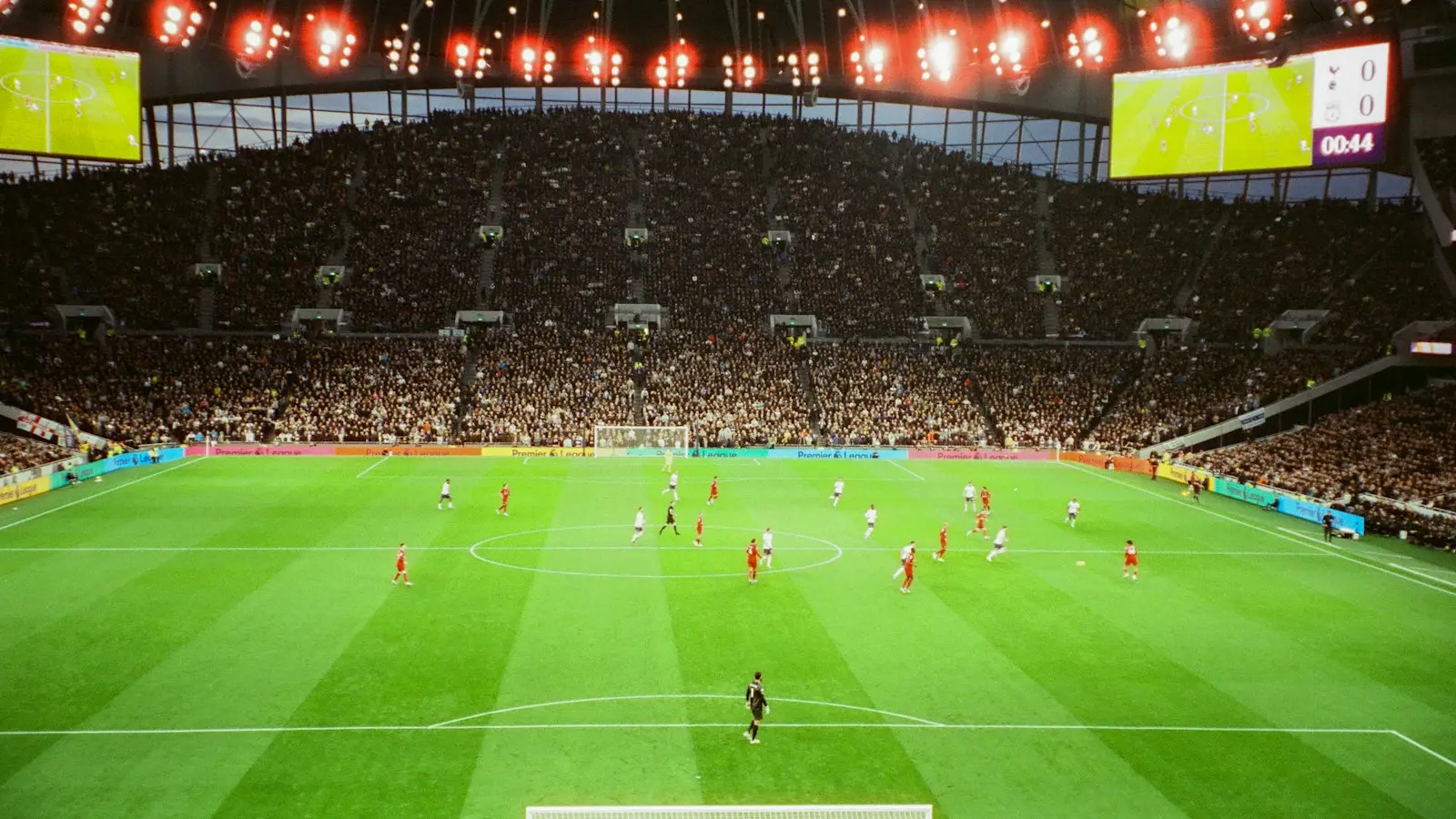
Short passing versus direct play is not a choice between intelligent football and crude football. Coaches select each route according to the space available, the opponent’s pressure, the qualities of their players, the scoreline, and how much risk the team can accept.
Short passing can help a team control its shape, move defenders, and keep possession in useful areas. Direct play can reach dangerous space before the opposition reorganizes. The important question is not which style is universally better, but which method offers the better trade-off in a particular match.
Key Takeaways
- Short passing is about connection, angles, and moving opponents; it does not have to be slow.
- Direct play is defined by speed and forward intent, not simply by using long balls.
- A high press can make short build-up risky, while a direct pass can bypass pressure if support is organized.
- Player qualities, the scoreline, fatigue, and the opponent’s defensive shape all influence the choice.
- Most effective teams combine both approaches and change their passing route during a match.
What Short Passing and Direct Play Actually Mean
Short passing uses nearby options to keep the ball connected between defenders, midfielders, and attackers. A team may pass through triangles, rotate positions, or circulate the ball from one side to another to move opponents and create a clearer route forward.
The benefits of short passing are not limited to keeping possession. Close support can give the ball-carrier several passing angles, reduce isolation, and allow teammates to receive between defensive lines. By moving the ball repeatedly, a team may force defenders to shift and open space elsewhere.
However, short passing does not necessarily mean slow football. A team can use quick one-touch combinations, sharp third-player movements, and rapid switches of play. Pass length is only one part of the tactic; tempo and forward intent matter just as much.
Direct play is defined more by purpose than by distance. It means trying to advance toward goal quickly, attack space behind a defensive line, or find a forward early before the opponent can settle into its defensive shape. A direct action might be a long pass, but it could also be a vertical pass into a striker, a quick combination through midfield, or a dribble into open space.
That distinction matters because direct play is not the same as hitting hopeful long balls. A planned direct attack usually includes a target, runners, and support around the expected contest. If a forward competes for an aerial pass, nearby midfielders may move into position to recover the second ball—the loose ball after the initial challenge. The aim is not simply to surrender possession, but to progress quickly with structure behind the decision.
A transition is the brief period when possession changes and the opponent’s defensive organization is incomplete. Direct play can be particularly useful then because the attacking team may have a few seconds to exploit space before defenders recover their positions.
How Space and Pressing Shape the Choice
Space is the central tactical currency. Short passing can create space by moving the ball away from pressure, pulling defenders out of position, and using rotations to make marking assignments less clear. A full-back may move higher, a midfielder may drop toward the defenders, and a winger may come inside to create a passing lane.
This approach becomes more difficult against a high press. Pressing is the coordinated attempt to pressure the player in possession and restrict the next pass. When the opposition pushes its defensive line and midfielders forward, a short build-up can leave the goalkeeper or central defenders with limited time and fewer safe receiving options.
The danger is not only losing the ball. A turnover near a team’s own goal can give the opponent an immediate route to a shot, especially if several players are positioned ahead of the ball. Short passing therefore requires good scanning, precise body positioning, and support at the correct distances. A technically capable player can still be trapped if the available passing lanes are too predictable.
Direct play can bypass the first line of pressure. If the opposition has committed several players toward the ball, a pass over or through that pressure may find a striker, winger, or runner in space. The ball travels beyond the area where the press is strongest, forcing the opponent to defend farther from its preferred starting positions.
Yet a direct pass is not automatically a solution. If the forward is isolated, the receiving player may lose the ball with no nearby support. If the defensive line is deep, there may be little space behind it to attack. A team also needs a recovery structure, often called rest defense: the players and positions left behind the attack to limit an opponent’s counterattack if possession is lost.
This is why a well-organized direct attack often includes three connected elements: a player who can receive or contest the forward ball, teammates close enough to collect the second ball, and defenders positioned to prevent an immediate counter. Without those elements, direct play can become a sequence of low-probability attempts rather than a coherent tactic.
Player Profiles and Tactical Fit
A coach may prefer short passing when defenders and midfielders are comfortable receiving under pressure. Useful qualities include scanning before receiving, clean first touches, accurate short and medium-range passing, and the ability to recognize when to carry the ball rather than pass.
The midfield structure matters as well. If players can form passing triangles and offer support at different angles, the team has more ways to escape pressure. A forward who can drop into midfield and link play may also help short-passing attacks connect with the final third.
The limitations are equally important. A team with defenders who struggle to make decisions under pressure may repeatedly give the opponent opportunities close to goal. Short build-up can also become sterile if players circulate the ball without moving defenders or attempting progressive passes—passes that advance the ball toward a more useful attacking position.
Direct play may suit a team with a strong aerial forward, a striker who protects the ball with his back to goal, or fast runners who can attack the space behind defenders. It can also benefit from defenders or goalkeepers who can deliver accurate longer passes and teammates who are aggressive in competing for second balls.
A team does not need a tall striker to play directly. Speed, timing, balance, and the ability to receive while moving can be more important when the target is space rather than an aerial duel. Similarly, a tall forward does not guarantee effective direct play if the surrounding players are too far away to support him.
The opponent’s defensive shape changes the value of those qualities. A powerful forward may be useful against a high defensive line if he can contest the first pass or pin defenders. Against a deep block, the same team may need short combinations, crosses, dribbling, or midfield runners because there is little room behind the defense.
Match State, Opponent Behavior, and Risk Tolerance
The scoreline changes the cost of every decision. A team protecting a lead may use short passes to make the opponent chase, slow the match, and keep the ball away from dangerous areas. But it may also choose direct play to escape pressure, gain territory, and prevent the opponent from sustaining attacks near its penalty area.
A team chasing a goal often increases its forward runs and early passes, particularly when the opponent’s defensive line is high. That does not require abandoning short combinations. A quick short pass can draw a defender forward before a third player runs beyond the line, combining control with immediate penetration.
Time remaining also affects risk tolerance. Early in a match, a coach may accept several short build-up sequences because there is time to recover from a failed attack. Late in the match, the same coach may ask for earlier forward passes, especially if the team needs territory and repeated entries into the penalty area.
Fatigue can alter the calculation. Tired defenders may struggle to defend large spaces behind them, making direct runs harder to contain. Tired attackers, however, may be less able to press after losing possession or compete for second balls. The best choice depends on which team is better placed to exploit that change.
The pitch and weather can also influence execution, although they do not determine the tactic by themselves. Poor playing conditions may make fast combinations less reliable, while a strong wind can complicate long passes and aerial contests. Coaches must weigh the intended benefit against the increased technical uncertainty.
Possession percentage alone cannot settle the debate. A team may have most of the ball but create little danger if its circulation does not move defenders. Another team may have less possession yet generate threatening attacks by winning the ball, progressing quickly, and reaching space before the defense resets.
Why Most Teams Use a Hybrid Approach
Pure styles are uncommon because matches change from phase to phase. A team may begin with short football from the goalkeeper, go direct when the opponent presses aggressively, and return to combinations after the ball reaches the attacking half.
One common adjustment is to change the point of attack. If the opponent presses one side, the team may use short passes to attract pressure before switching the ball to the opposite flank. If the opponent pushes its full-backs high, an early pass into the channel behind them may be more valuable than another pass in front of the press.
A goalkeeper’s distribution can also vary. A short pass may invite the opponent forward and create space beyond the first line. A longer delivery may bypass that pressure immediately, particularly when the receiving forward has support from midfield runners.
Teams can also alternate between a lone forward receiving direct passes and a midfield group collecting second balls. This allows the attack to be direct without becoming disconnected. The same side may then use short combinations around the next phase of possession once it has gained territory.
| Style | Likely advantages | Main failure modes | Conditions that favor it |
|---|---|---|---|
| Short passing | Keeps teammates connected, moves defenders, and can control where attacks develop | Turnovers under pressure, slow circulation, or crowded receiving zones | Players comfortable under pressure, useful support angles, and an opponent that can be moved out of shape |
| Direct play | Bypasses the first press, reaches advanced areas quickly, and attacks space behind a high line | Isolated forwards, lost second balls, and reduced control if possession is repeatedly surrendered | High opposition line, strong runners or target players, and good support around the first pass |
| Hybrid play | Changes the point of attack and adapts to pressure or match state | Requires clear shared cues and can become indecisive | Teams with varied player qualities and opponents whose behavior changes during the match |
When watching a match, look beyond the number of passes. Notice whether defenders position themselves wide to open a central lane, whether midfielders offer support behind the ball, and whether forwards run beyond the defensive line as pressure arrives.
Also watch the team’s response after a direct pass. Are midfielders close enough to challenge for the second ball? Are defenders positioned to stop a counterattack? When a team loses possession, does it press immediately or retreat into a prepared shape? These details reveal whether the direct option is planned or improvised.
For short build-up, identify the opponent’s pressing triggers. A poor first touch, a backward pass, or a receiver facing his own goal may signal the moment when the press accelerates. The key question is whether the team has a free player beyond that pressure and can reach him quickly enough.
The tactical lesson from short passing versus direct play is conditional. Short passing can control space and improve connections, but it carries risks when pressure reaches the ball before support is available. Direct play can exploit speed and disorganization, but it needs receiving quality, second-ball support, and protection against the next transition.
Effective coaches do not choose a style to satisfy a fixed idea of attractive football. They choose the route that best matches the opponent, the available players, the scoreline, and the risks of losing the ball in a particular zone. The most useful way to judge a team’s tactical style is to ask whether its passing choices create better spaces and stronger defensive security than the alternatives available in that moment.
FAQ
Is short passing always better for possession football?
No. Short passing can help retain the ball, but possession is only useful when it improves territory, creates better passing angles, or moves the opponent’s defensive shape. A team can make many short passes without progressing or creating chances. The quality of the receiving options and the purpose of the circulation matter more than pass length alone.
Is direct play the same as long-ball football?
No. Long passes are one form of direct play, but directness can also come from a vertical pass, a quick combination, a forward dribble, or an immediate run into space. The defining feature is the speed and purpose of the attack, not simply how far the ball travels.
Can a team switch between short passing and direct play during one match?
Yes, and most teams do. They may build short against a passive defense, play over a high press, and use combinations again after advancing upfield. Changes can also follow the scoreline, substitutions, fatigue, or the opponent’s adjustment. Tactical flexibility is often less about changing the entire formation than about changing when and where the team chooses to progress.