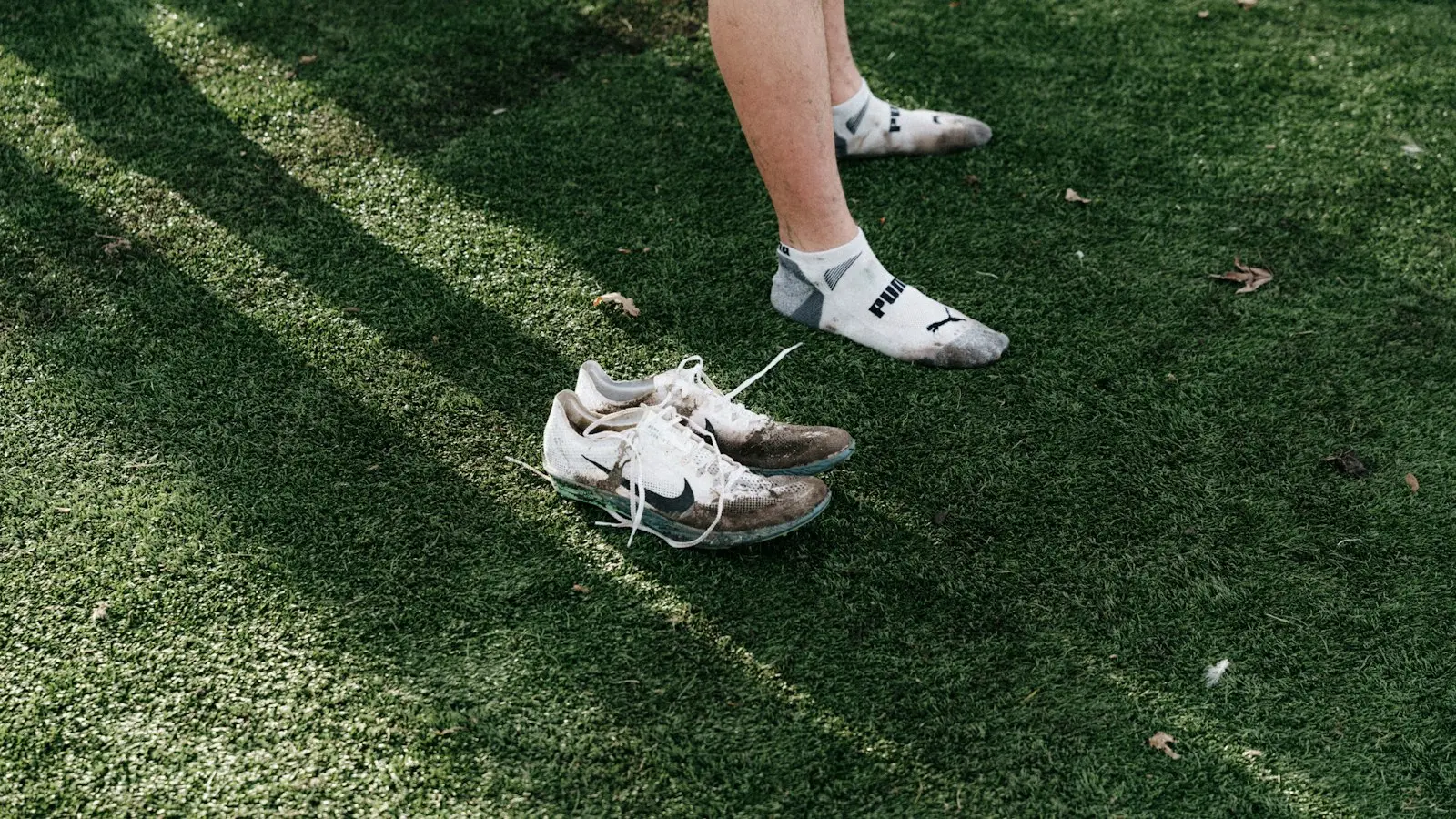
The best way to compare running shoes by cushioning is to treat cushioning as one part of the decision, not the final ranking. Start with the runs you need the shoe to handle, then assess fit, surface compatibility, stability, ride, weight, durability, and price. A highly cushioned shoe may feel comfortable and protective to one runner but heavy, unstable, or disconnected from the ground to another.
Cushioning, stack height, foam density, heel-to-toe drop, and rocker geometry all describe how a shoe may feel and function. They do not guarantee injury prevention, superior performance, or a universally better ride. The goal is to find a shoe that fits securely, suits your training, and remains comfortable at the pace and distance you actually run.
Key Takeaways
- Compare shoes by running purpose, surface, fit, and ride before ranking cushioning.
- Higher stack height or softer foam may feel comfortable, but neither guarantees better protection or injury prevention.
- A secure heel, room for the toes, and comfortable midfoot contact matter more than headline specifications.
- Test a new pair gradually, starting with easy running before using it for long or hard efforts.
- Persistent, worsening, sharp, or unusual pain needs more than a shoe change and may warrant professional evaluation.
1. Start With the Run You Need the Shoe to Handle
A useful daily trainer comparison begins with purpose. A road shoe for easy mileage faces different demands from a trail shoe, workout shoe, or racer. Before comparing foam labels, identify the surface, distance, pace, weather, and level of protection you expect.
For road and easy runs, a dependable daily trainer usually needs a comfortable upper, predictable transitions, adequate outsole grip, and a ride that does not irritate your feet over repeated use. Maximum softness is not essential if a moderately cushioned shoe already feels comfortable and stable during your normal mileage.
Long-run shoes require a different balance. Underfoot comfort can become more valuable as fatigue builds, but extra foam and structure may also add weight or make the shoe feel less agile. A shoe that feels luxurious for a short jog can become cumbersome if its platform does not suit your stride over longer distances.
Workout and racing shoes generally place more emphasis on weight, responsiveness, and efficient transitions. That does not mean lighter is automatically better. A fast shoe is useful only if you can maintain control and tolerate its ride at the intended pace. Some runners prefer a firm, direct platform, while others perform better in a softer design that feels less harsh.
Trail shoes should be judged first by traction, protection, lockdown, and terrain compatibility. A road shoe with generous cushioning may still be a poor trail choice if its outsole slips on wet rock or its upper allows excessive movement on uneven ground. For technical routes, grip and foot security can matter more than midsole softness.
Write down your priority before shopping: protection, responsiveness, flexibility, stability, low weight, versatility, or comfort over distance. This keeps marketing language from making the decision for you.
2. Understand What Cushioning Specifications Actually Tell You
Cushioning describes the shoe’s underfoot ride and how its midsole manages loading during the stride. It is not a direct score for safety. Two shoes with similar amounts of foam can feel very different because of their foam formulation, geometry, upper, outsole, and overall platform.
Stack height refers broadly to the amount of material between the foot and the ground. A higher stack can provide a more elevated, protected sensation, while a lower stack may offer greater ground awareness and a closer connection to the surface. More material can also increase weight or make the shoe feel less nimble, although the result depends on the full design.
Heel-to-toe drop is the difference in height between the heel and forefoot. A higher-drop shoe places the heel relatively higher than the front of the foot; a lower-drop shoe reduces that difference. Drop can influence how a shoe feels through the transition and how loading is distributed across the foot and lower leg, but it is not a universal prescription. Be cautious about making an abrupt change solely because a number looks appealing.
Foam density affects firmness, compression, and rebound. Softer foam may feel comfortable and forgiving, while firmer foam can feel more stable or responsive. These are tendencies rather than rules: a soft shoe can still feel stable through a broad platform, and a firm shoe can feel smooth if its geometry suits the runner.
Rocker geometry curves the sole to help the foot move from landing toward toe-off. Some runners experience a smooth, rolling transition from a rocker, while others prefer a flatter shoe that allows more direct control. The effect depends on the rocker’s position, the shoe’s flexibility, the runner’s stride, and the pace.
Treat manufacturer terms as descriptions of design, not standardized performance ratings. “Max cushion,” “energy return,” “stability,” and similar labels can be useful starting points, but they do not replace trying the shoe. Maximum cushioning is not a guaranteed injury-prevention strategy for every runner. Comfort and suitability remain individual.
3. Compare Stability, Neutral Design, and Fit Before Chasing Technology
Neutral shoes generally avoid prominent guidance structures intended to influence foot movement. Stability shoes may use a wider platform, firmer sections, sidewalls, guidance geometry, structured components, or combinations of these features. Modern stability designs are often subtle rather than rigid, so the category is not simply a choice between unrestricted movement and hard correction.
Stability features are design characteristics, not medical diagnoses. A runner who notices inward rolling does not automatically need a stability shoe, and a neutral shoe is not automatically inappropriate. Comfort, control, symptoms, training demands, and individual history are more useful decision factors than a gait label alone.
Fit comes before foam. This running shoe fit guide can help in a store or at home:
- Leave enough space for the toes to spread and move without touching the front. The exact amount varies with foot shape, but cramped toes are a warning sign.
- Keep the heel secure without tightening the laces so aggressively that the ankle or top of the foot feels pressured.
- Look for even midfoot contact. Pressure, numbness, or a narrow feeling across the arch can become more noticeable during longer runs.
- Check that the upper holds the foot without forcing the toes together or allowing the foot to slide sideways.
- Try the shoes with the socks and, where relevant, the insoles you normally use for running.
- Walk and jog if the retailer permits it. Pay attention to heel lift, toe contact, arch irritation, creasing, and unwanted movement.
Try shoes later in the day or after activity when feet may be larger, while remembering that swelling varies between runners. Do not judge fit only while sitting down. A shoe can feel fine at rest but reveal pressure or movement once you walk, jog, or add speed.
4. Build a Comparison by Priority Instead of Choosing the Most Cushioned Model
A simple comparison table can include use case, fit, cushioning feel, stability, weight, outsole grip, expected durability, flexibility, and price. The most useful entry is not a marketing description; it is your observation after trying the shoe.
For easy and recovery runs, prioritize reliable comfort and a non-irritating fit. A shoe that feels ordinary but works consistently may be a better daily option than a technically impressive model that causes pressure after several miles.
For long runs, balance underfoot comfort, fatigue management, lockdown, and durability against excess weight. If the shoe feels soft but unstable when you tire, its cushioning advantage may not translate into a better long-run experience. Conversely, a firm shoe that remains controlled and comfortable may be more useful than a softer alternative.
For workouts and racing, assess responsiveness, transition, weight, and pace-specific comfort. Evaluate the shoe at something close to its intended speed, because a model can feel dull when walking but lively while running, or aggressive at fast pace but uncomfortable during warm-up and recovery.
For trails, prioritize outsole pattern and rubber, protection from rocks and roots, upper durability, and lockdown on climbs and descents. Road-shoe cushioning should not dominate the decision when traction is the greater risk.
Versatility also matters. If you want one pair for most training, favor a predictable ride and durable construction over an extreme design. A daily trainer comparison should ask how consistently the shoe serves your normal week, not how impressive it feels during one short test.
5. Test the Choice, Account for Durability, and Respond to Pain Carefully
Use a gradual test process. Walk in the shoes first, then complete a short, easy run on a familiar surface. Check your feet immediately afterward and again later that day for hot spots, pressure, unusual soreness, or numbness.
If the first run goes well, increase distance before adding hard intervals, hills, or a long run. Track whether the upper continues to hold your foot, whether the outsole grips in your usual conditions, and whether the foam’s feel changes as the shoe is used. A comfortable first impression is useful, but it is not a guarantee of long-term suitability.
Do not expect a fixed mileage lifespan. Wear varies with body weight, gait, terrain, weather, training volume, outsole rubber, midsole materials, and whether you rotate shoes. Inspect the outsole for uneven or extensive wear, the upper for stretching or tearing, and the midsole for a ride that feels substantially less supportive or controlled than before.
Rotating two suitable pairs can be practical when they serve different purposes. One might offer a stable, durable ride for easy mileage while another feels lighter for workouts. Rotation is not medically necessary, however, and buying multiple pairs will not correct an unsuitable fit.
A change in shoes may be relevant when discomfort begins after switching models, surfaces, or training loads. It is not the only possible explanation. Stop the test and seek appropriate professional evaluation if pain is sharp, worsening, persistent, or associated with swelling, weakness, numbness, or altered movement. A different shoe is not a substitute for assessment when symptoms do not settle.
FAQ: Comparing Cushioning in Running Shoes
Does more cushioning make a running shoe safer or better for preventing injuries?
Not automatically. More cushioning can feel comfortable or reduce the sensation of impact for some runners, but it may also add weight, alter the ride, or feel unstable to others. Choose based on comfort, control, fit, surface, and training purpose rather than assuming the highest stack is the safest option.
How should running shoes fit, and how much room should there be in the toe box?
Your toes should have room to spread and move without touching the front, while the heel and midfoot remain secure. The shoe should not create pressure points, numbness, arch irritation, or excessive sliding. Try it with your running socks, walk or jog in it, and account for the possibility that feet may be larger later in the day.
Should I choose neutral or stability running shoes if my feet roll inward?
Inward rolling alone does not determine which category is right. Stability elements can provide a guided or controlled sensation, but they are not a diagnosis or a replacement for individualized clinical advice. Compare both designs if possible and prioritize the model that feels comfortable, secure, and controlled during your actual running.
What should I change first if a new shoe causes discomfort?
First check whether the discomfort comes from fit, lacing, socks, a sudden distance increase, or a major change in drop or ride. Return to shorter, easier running only if symptoms are mild and settle quickly. Persistent, worsening, sharp, or unusual pain deserves evaluation rather than repeated shoe experiments.
The most reliable way to compare running shoes by cushioning is not to find the softest model. Match the shoe to the run, confirm the fit under movement, understand what its specifications can and cannot tell you, and test it gradually before trusting it with demanding training.