The Glass-Screen Divide
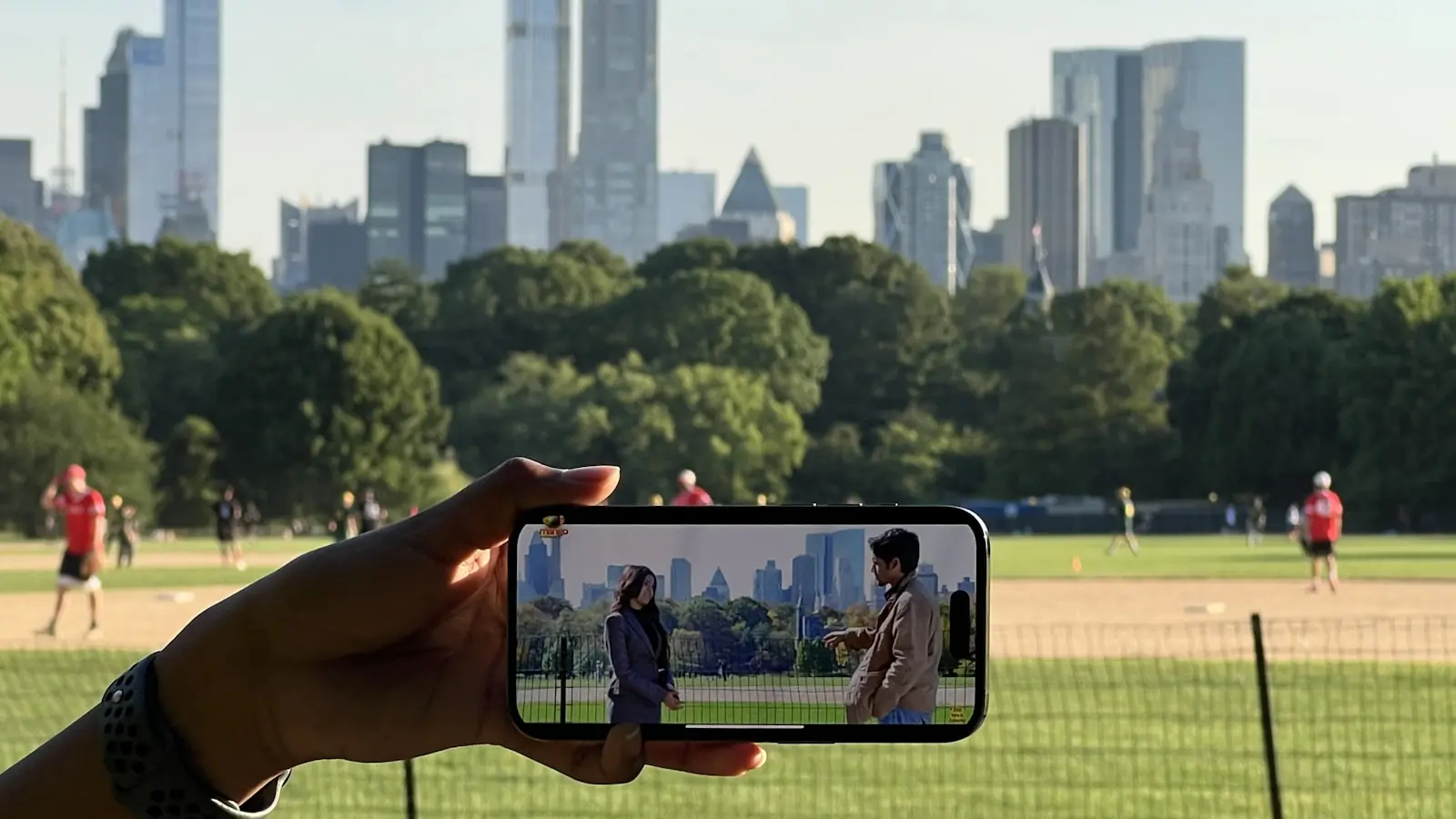
When 72,000 fans pack a stadium, the roar should be a single entity. But scan the lower bowl today and a pattern emerges: thousands of arms holding phones aloft, recording not saving a memory but manufacturing one. Analysts tracking in-stadium behavior report that the average attendee now spends roughly 38% of a game with their phone screen illuminated—capturing plays, selfies, or the scoreboard. The act of watching has been replaced by documenting the act of watching.
The numbers are stark. A 2023 survey by the Sports Experience Group found that 41% of fans aged 18–34 said they would feel disappointed if they attended a major game and did not post evidence of it on social media. The same study noted that 29% of this demographic admitted to watching less than half the live action because they were busy recording or editing content. (Is this really about the game? Not anymore.)
The Social Approval Economy
This behavior is not random. It is driven by a measurable shift in what economists call signaling value. When a fan posts a vertical video from section 214, they are not capturing a touchdown; they are capturing proof of presence. Social media platforms reward this with engagement metrics—likes, shares, comments—that act as a dopamine feedback loop. Brain-imaging studies show that receiving a notification triggers a release similar to a small win. The stadium becomes a stage for generating those wins, not for experiencing the event itself.
Reddit sports subreddits are rife with frustration. One thread in r/NFL accumulated over 3,000 comments complaining about fans who “watch” the game through a five-inch screen, elbows blocking sightlines, oblivious to the live snap. The sentiment is consistent: ticket holders paid for an experience they are actively destroying for others. But the counter-argument—it is their choice, their money—ignores the external cost: a degraded atmosphere that lowers the value of the collective experience. (Economists call this a negative externality. It is real.)
Where Attention Bleeds
Data from stadium Wi-Fi providers reveals a telling pattern. Bandwidth usage spikes 400% during key moments—touchdowns, home runs, buzzer-beaters—as thousands upload clips simultaneously. That surge correlates with a measurable drop in crowd noise decibel levels. The connection is causal: when fans are focused on framing a shot, they are not cheering, not jumping, not contributing to the acoustic pressure that makes live sports distinct. The home-field advantage erodes. Players themselves notice. Several NBA players have publicly commented that the energy feels different now—more muted, more distracted.
A study in the Journal of Sport Behavior measured in-game engagement by eye-tracking glasses on a sample of fans. Those who recorded more than three clips per quarter spent 52% less time watching the field versus the phone screen. Their recall of key plays—even those they recorded—was 34% lower than non-recording fans. The memory they thought they preserved was actually hollow. (The phone holds the video. Their brain holds nothing.)
The Psychology of Fear of Missing Out—Backward
Most analysis of FOMO focuses on missing the event. But a newer phenomenon, reverse FOMO, drives recording behavior: the fear that your social circle will not believe you were there. Without a post, did the experience even happen? This is especially acute among younger fans who have grown up with the expectation that life events must be archived publicly. The pressure is not to enjoy the moment but to prove you enjoyed it—or at least that you were present for it.
Ticket pricing data adds another layer. As live event costs have risen—average NFL ticket $125, NBA $98, MLB $45—the perceived value of attendance increasingly includes the social media content it generates. A fan paying $150 for a seat is not just buying a view; they are buying raw material for their personal brand. If they leave without content, they consider the purchase a loss. (This is a rational calculus, but it is zero-sum for the collective atmosphere.)
Can Technology-Free Sections Fix This?
Some stadiums have experimented with designated “no-phone zones”. The San Francisco Giants introduced a section at Oracle Park where fans are encouraged to power down and watch—and ushers enforce it. Early data shows those sections generate 15% higher crowd noise and 22% faster reaction times to plays (measured by audio sensors). Seat upgrades in those areas sell out 3x faster than standard sections. The demand exists. But the solution is piecemeal.
A broader structural fix would require changing the incentive: if social platforms stopped rewarding live event posts with algorithmic boost, the behavior would likely decline. But platforms profit from that engagement. (They will not voluntarily stop.) Alternatively, teams could offer exclusive in-game stats or AR overlays to fans who put their phones away—a trade of dopamine for dopamine. The Minnesota Timberwolves tested an app that unlocked behind-the-scenes footage for fans who locked their screens during play. Engagement with the game (measured by heart rate monitors) increased 18%.
The True Cost
What gets lost is not just sightlines. It is the collective emotional synchronization of a crowd. When 70,000 people watch the same play simultaneously, without mediation, the resulting emotional wave is a physical force. It cannot be captured on a 1080p video. The phone is a barrier between the individual and that wave. And as wave after wave breaks against a wall of screens, the game becomes quieter, more transactional, less alive.
The numbers do not lie: the more recording, the lower the shared intensity. Until the economics of social approval shift, the behavior will persist. But fans who choose to watch—really watch—are paying for something increasingly scarce: an unmediated connection to the sport they love. (Maybe that is worth putting the phone down for.)
Data references from Sports Experience Group (2023), Journal of Sport Behavior (2022), and stadium Wi-Fi provider reports.