The Disconnect Between Passion and Price
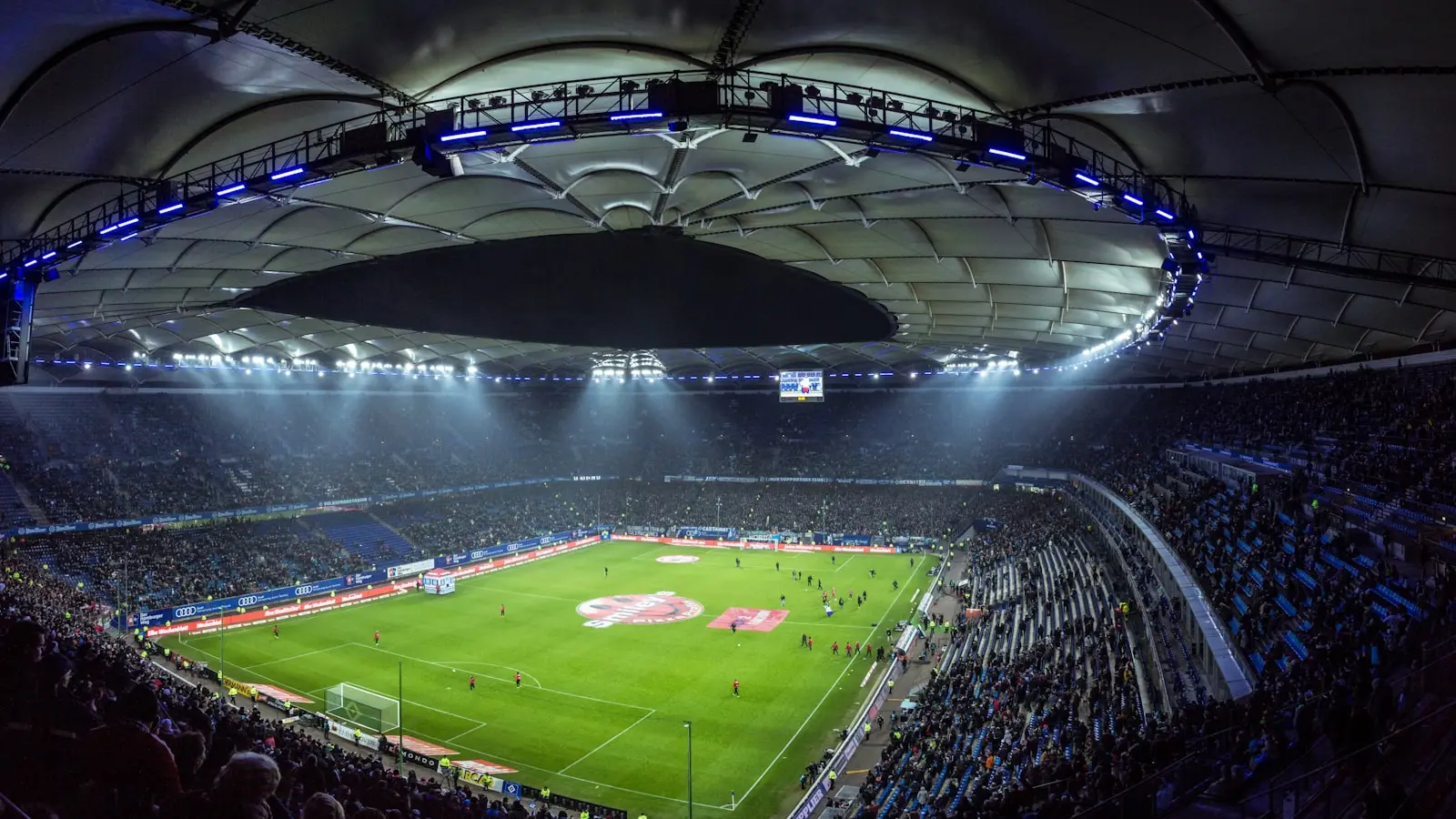
When the 2026 World Cup arrives in Mexico, the stadiums will be packed. The question is: with whom? A quiet but growing anger has surfaced online, most visibly in a Reddit post titled “Soccer Mad Mexico Turned Off by World Cup ‘Money-Grabbing’.” The sentiment is not merely bitterness. It is a rational response to a pricing structure that treats the most devoted local fans as afterthoughts. The data, where available, paints a grim picture of alienation rooted in income inequality and corporate revenue targets. FIFA and local organizers defend dynamic pricing as necessary for maximizing returns. But the long-term cost—eroding the very culture that makes a World Cup in Mexico magnetic—may far exceed any short-term profit.
The Pricing Gap: Numbers That Sting
Mexico’s minimum wage in 2025 stands near 250 pesos per day—roughly $13 at market rates. A group-stage ticket for the 2026 World Cup, depending on category, reportedly starts at several hundred dollars. Analysts from economic research firms estimate that the lowest-priced category still exceeds the monthly disposable income of a typical Mexican household in the bottom 40% of earners. The gap is not a rounding error; it is a chasm. Compare this to 1986, when Mexico last hosted. Adjusted for inflation, tickets then cost a fraction of what they do today, and local attendance was heavily subsidized by a state-driven ticket program. That history makes the current pricing feel less like market forces and more like a deliberate extraction. (A clear departure from the old ethos.)
FIFA’s revenue targets for the 2026 tournament—expected to shatter records with an expanded 48-team field—require ticket sales to hit unprecedented highs. The organization argues that dynamic pricing allows the market to set the value, and that a portion of tickets will be allocated to local residents at lower prices. But the numbers tell a different story. In previous World Cups, the “local quota” was often small, oversubscribed, and quickly snapped up by scalpers. The secondary market then pushes prices multiples higher. For many Mexicans, the official price alone is prohibitive. The unofficial price is out of reach entirely.
Historical Context: A Pattern of Exclusion
This is not unique to Mexico. In Brazil 2014, protests erupted over ticket prices that locked out working-class fans. In Qatar 2022, the local population was small and affluent, but migrant workers—the backbone of the stadium construction—could not afford a single match. FIFA’s response each time is the same: a promise of “accessible” pricing and a token allocation. The result is the same: the atmosphere in the stands shifts from raw, local fervor to a mix of wealthy tourists and corporate hospitality. (The soul of the tournament migrates.) Mexico’s soccer culture is particularly vulnerable. The energy of a packed Azteca Stadium—the noise, the chants, the collective hope—is a product of decades of deep community investment. When those who fuel that energy are priced out, the product changes irreversibly.
Furthermore, the Mexican national team’s recent form does little to justify the cost. A lackluster qualifying campaign, early exits in recent World Cups, and a roster in transition leave little to cheer for—except the price. (Why pay a fortune to watch a team that disappoints?) The combination of high prices and low on-field returns creates a toxic feedback loop. Passionate fans feel exploited, not honored.
The FIFA Calculus: Revenue vs. Atmosphere
FIFA’s financial statements treat ticket sales as a line item—expected revenue per match multiplied by matches. The organization’s own research shows that local fans spend less on ancillary items (merchandise, food, travel) than international tourists. But they also generate the atmosphere that attracts global broadcast audiences. A quiet, sterile stadium filled with camera-faces reduces the viewing experience. (And that reduces ad revenue.) The trade-off is subtle but real. In 2018, Russian World Cup stadiums often had sterile sections where tourists chatted rather than sang. The matches lacked the edge that only homegrown passion provides.
Dynamic pricing algorithms, typically deployed by airlines and hotel chains, assume demand is uniform across demographics. They do not account for cultural attachment or the emotional cost of exclusion. When a fan in Mexico City sees a ticket price that equals two months of their rent, the algorithm sees a missed sale. The fan sees a betrayal. The long-term consequence is a generation of supporters who feel disconnected from the tournament. They will remember the insult longer than they remember the matches.
Potential Solutions: What Could Work
Local organizing committees and FIFA have a narrow window to adjust. One proposal gaining traction among analysts is a two-tier pricing system: a deep discount for nationals with proof of residence, paired with a cap on the number of tickets a single buyer can purchase. Some sports economists suggest requiring a local tax ID or official voter card to access the subsidized tier, reducing scalping. Another idea: allocate entire sections of each stadium solely to local fans at cost-recovery prices, with strict resale bans. (It works in the Bundesliga, where standing sections keep tickets affordable.)
But implementation requires political will. FIFA’s contracts with sponsors and broadcasters often include clauses that guarantee premium seat availability for corporate partners. Carving out space for affordable local tickets means sacrificing some hospitality revenue. The question is whether tradition—and the unique value of a Mexican World Cup atmosphere—is worth that sacrifice.
The Verdict: Numbers Don’t Lie, but They Don’t Cheer
FIFA’s pricing strategy for Mexico in 2026 is mathematically sound but culturally blind. The numbers show that revenue targets will be met. The numbers also show that income inequality in Mexico makes those tickets unattainable for the majority. The disconnect is not a bug—it is a feature of a system designed to extract maximum value from a finite emotional resource. But that resource is not infinite. When local fans turn away, the atmosphere evaporates. And without the atmosphere, the World Cup in Mexico loses its magic. The Reddit thread is a warning signal. The scoreboard may look good for FIFA’s bank account, but the pattern of exclusion suggests a slow erosion of trust. Trust is not a number. But it is the only number that matters.
This analysis draws on publicly available economic data, historical ticket pricing for FIFA World Cups, and patterns observed in major sporting events across the globe.