The Midnight Chorus
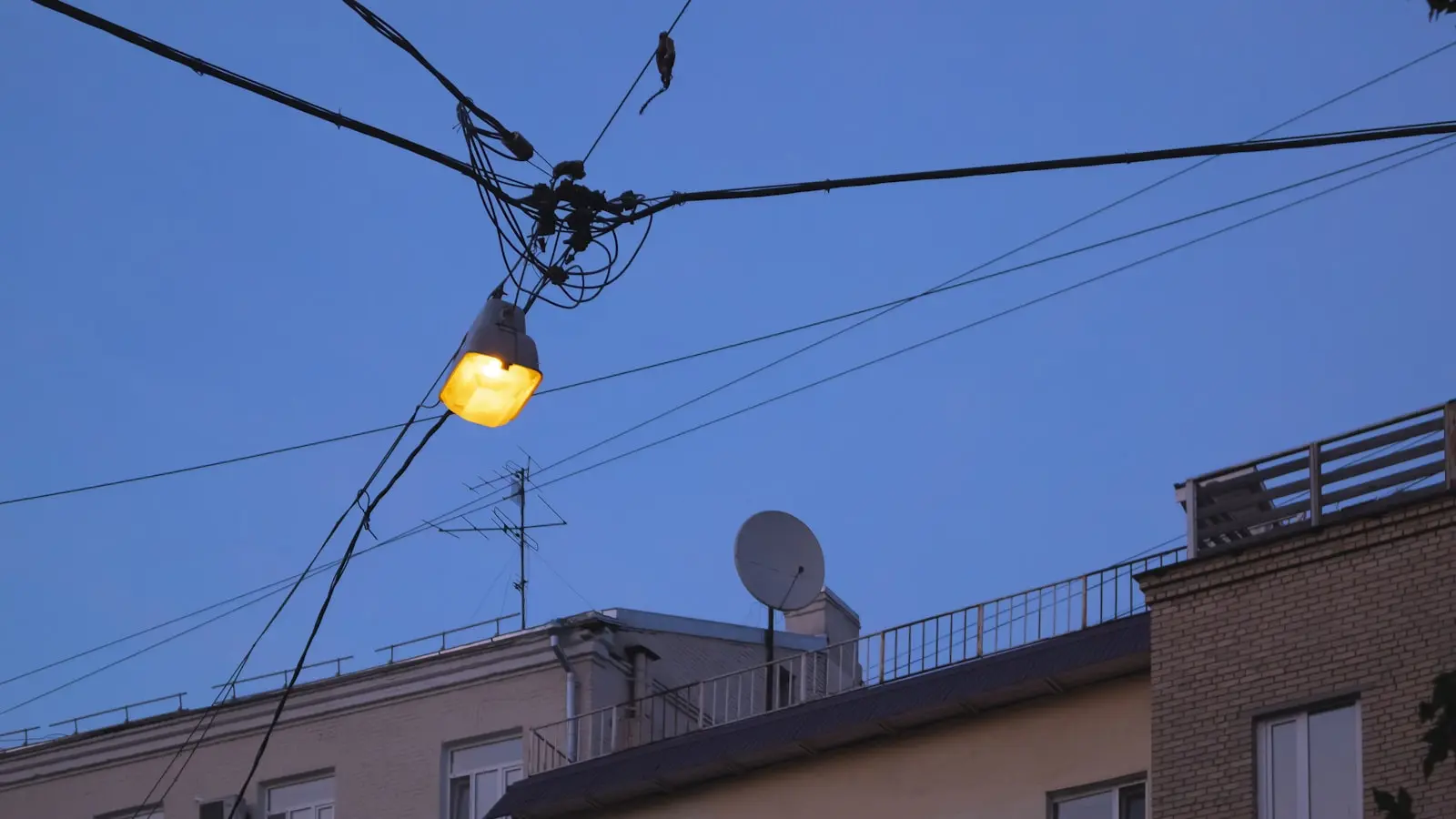
The sound begins long before the sun approaches the horizon. A lone robin or mockingbird initiates a complex territorial song at 2:00 AM, broadcasting into a pitch-black sky. The catalyst for this localized disruption is not an anomaly in the Earth’s magnetic field, nor is it a sudden shift in barometric pressure. The trigger is the relentless glare of a high-intensity LED streetlight. Urban bird populations are currently experiencing severe, chronic disruptions to their circadian rhythms and reproductive cycles, driven entirely by an escalating blanket of artificial nighttime illumination.
Recent analyses, including ongoing studies published in the Journal of Ornithology, map out a biological crisis operating directly outside bedroom windows. The rapid global transition to modern lighting systems has effectively erased the biological boundary between night and day. Birds rely on strict environmental cues to regulate survival behaviors. When light pollution from streetlamps, commercial skyscrapers, and residential security fixtures tricks avian biology into perceiving an extended photoperiod, the animals wake up. They begin foraging, defending territory, and singing up to hours earlier than their rural counterparts. The physiological cost is immediate.
The Physics of Artificial Dawn
To understand why an urban songbird mistakes midnight for morning, one must examine the specific emission spectrum of modern municipal lighting. For the latter half of the twentieth century, cities relied heavily on high-pressure sodium vapor lamps. These fixtures cast a distinctive, murky amber glow. They were notoriously inefficient, burning immense amounts of electricity to illuminate pavement. Municipalities globally rushed to replace this aging infrastructure with high-efficiency light-emitting diodes over the last decade, driven almost entirely by the promise of halved electricity budgets. The economic argument was flawless. The biological reality proved disastrous.
Standard municipal LEDs emit a blue-rich light spectrum. This is not merely a matter of visual aesthetics. Avian optical receptors evolved over millions of years to interpret this exact wavelength combination as the encroaching dawn. When a commercial floodlight bathes a neighborhood canopy in 5000-Kelvin light, the bird’s retina captures the photons and fires a chemical signal directly to the pineal gland. The biological directive is unambiguous. Wake up.
The sudden influx of blue-spectrum light artificially suppresses melatonin production. Melatonin serves as the primary chemical timekeeper for both avian and human biology, dictating restorative sleep phases and cellular repair mechanisms. Chronic melatonin suppression leads directly to sleep deprivation. A bird burning energy to sing and forage at 3:00 AM operates at a severe caloric deficit, unable to replenish its reserves until insect activity actually begins at true dawn. (Evolution rarely anticipates a 10,000-lumen floodlight). This sustained metabolic stress systematically weakens the avian immune system, leaving urban populations highly susceptible to pathogens that rural flocks easily fend off.
The Reproductive Trap
The implications of artificial lighting extend far beyond exhausted birds singing at inappropriate hours. The disruption strikes directly at the mechanism of species continuation. Photoperiodism—the biological response to the changing ratio of daylight to darkness—governs avian breeding cycles. As days naturally lengthen in the spring, a hormonal cascade triggers reproductive behavior, nest building, and egg-laying.
Artificial daylight effectively hijacks this seasonal calendar. Urban birds subjected to intense light pollution perceive the long days of late spring while the actual calendar remains firmly planted in late winter. This triggers premature breeding attempts. The consequences of this phenological mismatch are fatal.
If a population of city finches begins nesting three weeks ahead of schedule due to the glare of a nearby commercial district, the hatchlings arrive before the necessary food sources become available. Spring insect booms rely on temperature, not just light. The result is a catastrophic failure in the localized food web. Furthermore, early breeding forces nestlings to endure late-winter cold snaps. Mortality rates spike. The ecological math simply breaks down.
Scene from the Suburbs
Walk through any densely populated suburban cul-de-sac at midnight, and the architecture of this disruption becomes entirely visible. Houses are frequently ringed by motion-activated floodlights, aesthetic landscape uplighting, and glowing architectural accents. Within local community subreddits and neighborhood networking applications, residents frequently post lengthy complaints regarding incessant bird noise occurring hours before dawn. They blame overpopulation. They hypothesize about displaced wildlife.
They remain completely unaware that the blinding security lights bolted to their own garages are the exact mechanisms overstimulating the local fauna. (The human capacity to engineer an environmental nuisance while completely missing the cause is remarkable). Residents demand a solution to the noise while simultaneously keeping multiple 4000-Kelvin light fixtures burning until sunrise.
This localized light pollution is compounded by atmospheric scattering. In major metropolitan areas, upward-directed light from billboards, skyscrapers, and unshielded streetlamps hits moisture and particulate matter in the lower atmosphere, reflecting back down over the city. This phenomenon, known as skyglow, raises the baseline ambient light level across entire zip codes, leaving urban wildlife with absolutely no dark refuge.
Engineering the Dark Sky
Science dictates that discovery must lead to actionable mitigation. Environmental scientists and urban ecologists are currently lobbying city councils worldwide to implement comprehensive dark sky initiatives. The goal is not to plunge cities back into the dark ages, but to apply rigorous engineering to how we distribute artificial photons.
The mitigation framework relies on several core adjustments:
- Spectral Modification: Transitioning municipal lighting away from 5000K blue-rich diodes to warmer, 2700K or 3000K fixtures. These warmer temperatures maintain human visibility while drastically reducing the specific blue wavelengths that trigger false dawn in birds.
- Directional Shielding: Mandating the installation of downward-facing light shields or baffles on all exterior fixtures. This eliminates upward photon scatter, directly combating urban skyglow and keeping light entirely focused on the pavement where humans actually need it.
- Smart Illumination: Deploying widespread motion-sensor networks and timed dimming protocols. Streetlights can be programmed to drop their lumen output by fifty percent between 1:00 AM and 5:00 AM when human activity is negligible.
Below is a breakdown of how lighting metrics directly correlate to ecological disruption:
| Lighting Variable | Industrial Standard | Ecological Impact | Required Mitigation |
|---|---|---|---|
| Color Temperature | 4000K - 5000K | Severe circadian disruption | Shift to 2700K - 3000K |
| Fixture Design | Unshielded globe | High skyglow contribution | Full cut-off downward shields |
| Operation Cycle | Dusk-to-dawn continuous | Chronic sleep deprivation | Motion activation and dimming |
Expanding Possibility Through Evidence
The rapid deployment of LED technology was a triumph of energy efficiency. Yet, science is an iterative process measured entirely in evidence. The data emerging from urban ecology studies proves that the initial rollout of this technology carried hidden, severe biological costs. Acknowledging this failure is the first step toward correcting it.
Addressing the threat to urban bird populations does not require abandoning high-efficiency lighting. It requires refining our application of it. By aligning municipal engineering with ecological reality, cities can preserve public safety while restoring the natural circadian rhythms of the ecosystems existing within their borders. Until the infrastructure adapts, the midnight chorus will continue to sing a warning into the artificial dawn.