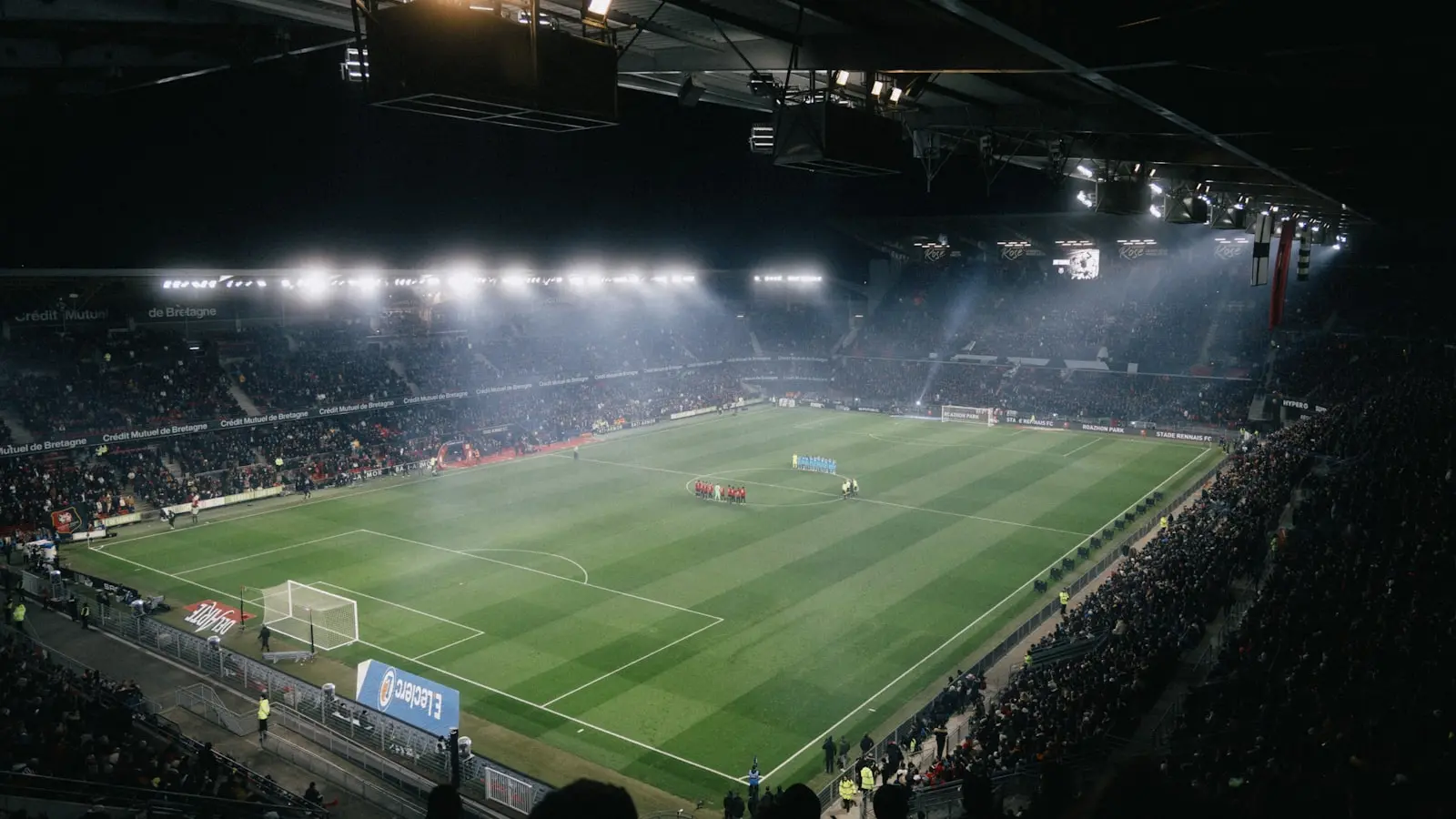
Soccer’s rules inherently produce more last-minute drama than other major sports because of a continuous clock, limited substitutions, and stoppage time that stretches without pause — creating a structural pressure cooker that other sports actively avoid. The combination forces players to make high-stakes decisions under extreme fatigue, turning the final minutes into a psychological and physical battle that attackers are built to win.
Key Takeaways
- Soccer’s continuous clock and lack of timeouts force teams to improvise under pressure, creating chaotic final moments.
- Limited substitutions widen the fitness gap, making tired defenders more error-prone in the last 15 minutes.
- Set pieces become high-probability scoring chances as defensive organization breaks down under fatigue.
- The psychological burden favors attackers, who have everything to gain, while defenders fear a single mistake.
- Compared to stop-clock sports like basketball and football, soccer’s rules inherently amplify late-game drama.
1. The Continuous Clock: No Timeouts, No Resets
In basketball or American football, coaches freeze the clock with timeouts to set up a final play, rest key players, and reset defensive assignments. Soccer offers no such luxury. The clock runs continuously, and the referee alone decides when to add extra minutes for stoppages. A team trailing with three minutes of added time cannot huddle to design a perfect play. They must improvise on the fly, often throwing defenders forward into the attack. This creates a frantic, chaotic endgame where every loose ball carries the weight of the result. The defending side, meanwhile, cannot call a timeout to calm their nerves or reorganize. They have to survive wave after wave until the final whistle, a pressure that hockey or basketball teams never face in the same way.
2. Limited Substitutions: The Fatigue Factor
Most soccer matches allow only three to five substitutions — far fewer than the unlimited changes in hockey or the tactical rotations in basketball. By the 75th minute, players have covered significant ground, and the fitness gap between teams becomes decisive. Tired defenders lose half a step, misjudge positioning, and make slow decisions. Sports science research shows that cognitive function — particularly reaction time and risk assessment — declines noticeably after sustained high-intensity effort. When a fatigued center-back faces a relatively fresh substitute forward, the advantage often belongs to the attacker. Even without fresh legs, the sheer cumulative load forces mistakes. The limited substitution rule means that key defenders who played the full 90 minutes are more likely to commit errors in the dying seconds than their counterparts in stop-clock sports, who benefit from regular breaks.
3. Set Pieces: Structured Chaos in the Final Minutes
Corners and free kicks account for a disproportionate share of last-minute winners. Historical data from World Cup and Champions League knockout rounds indicates that a significant portion of goals scored after the 85th minute come from dead-ball situations. The reason is twofold. First, defending a set piece requires intense concentration and organization — both of which degrade under fatigue. Second, the attacking team can commit almost all outfield players into the box, including tall center-backs who rarely get scoring chances during open play. The result is a crowded, chaotic scene where a single deflection or missed clearance can decide the match. Because soccer does not stop the clock for these plays, the tension compresses into a few seconds of pure unpredictability — a stark contrast to the set-piece designs in American football, where coaches have time to diagram every movement.
4. Psychological Pressure: Defenders vs. Attackers
In the final minutes, the psychological load shifts dramatically. Attackers have everything to gain: scoring a late winner transforms them into heroes regardless of earlier mistakes. Defenders, by contrast, operate under the fear that a single error will undo an entire match’s work. Research on clutch performance in sports suggests that risk-reward asymmetry favors the attacker in high-pressure situations. A penalty kick awarded in added time amplifies this. The taker faces a clear, familiar task — strike the ball toward a specific target — while the goalkeeper must cover a wide goalmouth knowing that a well-placed shot is nearly unstoppable. The goalkeeper’s margin for error is razor-thin, and the pressure often manifests in slightly delayed reactions or premature movement. This psychological imbalance explains why so many last-minute penalty kicks find the net, even when the stakes are highest.
5. Comparing Stop-Clock Sports: Why Soccer’s Drama Is Unique
Basketball offers numerous timeouts, frequent clock stoppages, and the ability to foul intentionally to extend the game. This turns the final minute into a long, tactical affair with multiple pauses. American football provides similar control through clock management, timeouts, and the two-minute warning. Hockey shares a continuous clock but allows unlimited line changes, meaning players are always fresh and the ice is small, reducing the space for chaos. Soccer’s combination — a large field, a running clock, minimal breaks, and limited subs — creates a “pressure cooker” effect. The game does not bend to give teams a second chance. Once the ball goes out of play, the clock keeps ticking, and the final whistle can sound at any moment after the minimum added time is reached. This uncertainty, absent in stop-clock sports, is the core of soccer last-minute drama.
6. The Role of VAR in Adding Tension and Delay
Video assistant referee reviews have introduced a new layer of suspense. When a potential winner or penalty occurs in stoppage time, players and fans must wait through a lengthy check — sometimes two or three minutes — before the goal is confirmed or disallowed. The delay itself becomes part of the drama, stretching the moment agonizingly. Unlike the instant resolution of a buzzer-beater in basketball, soccer’s VAR pauses allow emotions to swing multiple times: hope, doubt, relief, or despair. This added uncertainty reinforces the sport’s reputation for heart-stopping finishes, even if the underlying mechanics of the continuous clock remain unchanged.
FAQ
Q1: Why do so many last-minute goals happen in soccer compared to basketball or football? A: Soccer’s continuous clock, limited substitutions, and inability to call timeouts create a unique environment where fatigue and desperation peak simultaneously. In contrast, stop-clock sports allow teams to reset strategy and rest players, reducing the element of chaotic drama.
Q2: Are set pieces really the most common source of late winners? A: Yes. Statistical analysis of major tournaments shows that corners and free kicks account for a significant share of goals scored after the 85th minute. The structured yet chaotic nature of these plays makes them especially potent when defensive organization begins to wane.
Q3: How does the psychology of a penalty kick in added time differ from a regular penalty? A: The stakes are exponentially higher because a miss likely ends any chance of recovery. Research indicates that the psychological load on the taker is lower than on the goalkeeper, as the taker has a clear target while the goalkeeper must cover a large goalmouth under extreme time pressure.