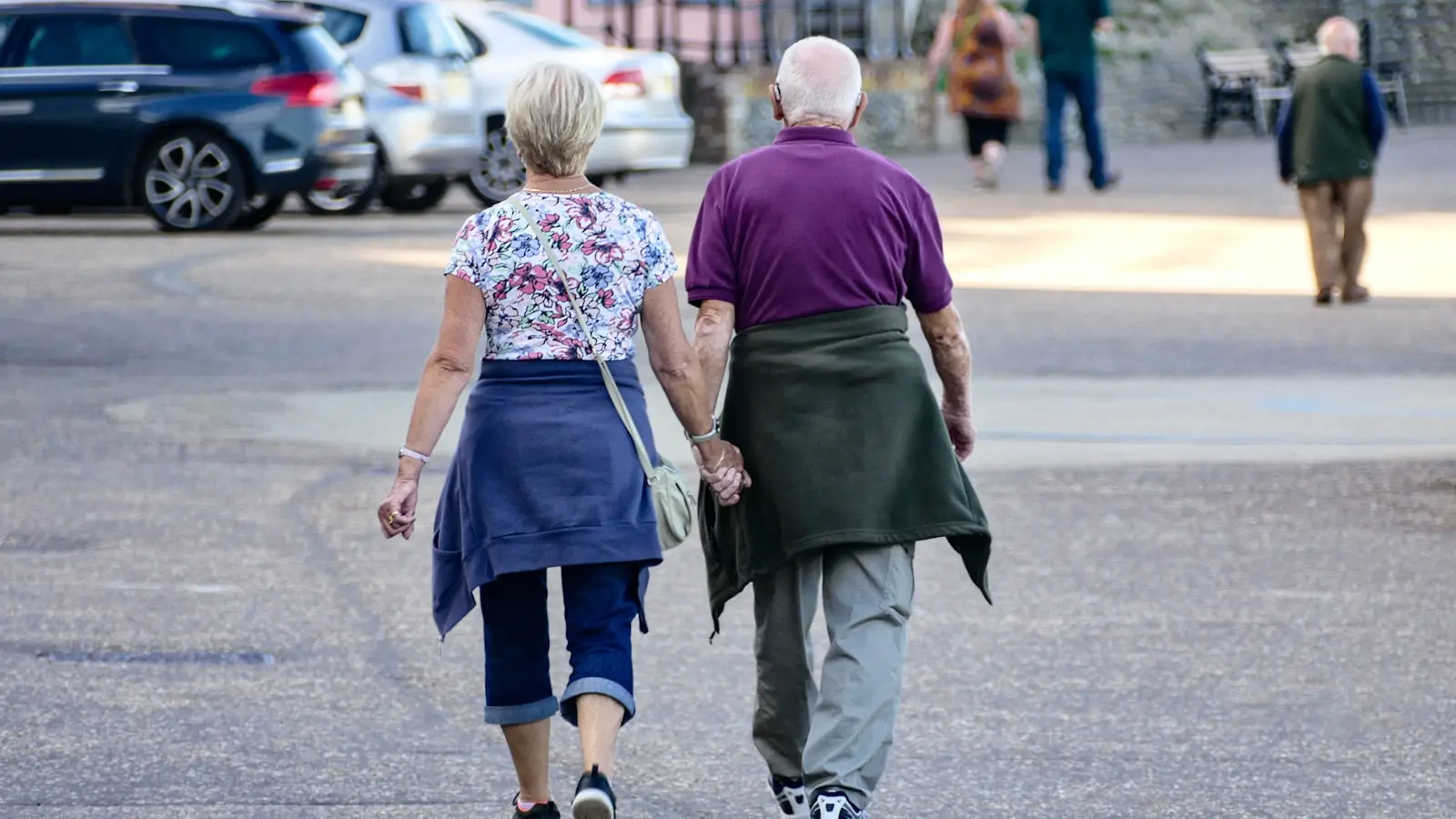
Walking can be an excellent foundation for fitness after 50. It supports cardiovascular health, mobility, mood, and the stamina needed for everyday life. But walking alone does not reliably maintain every part of fitness, particularly muscle strength, balance, power, and the progressive loading that may matter for bone health.
The practical answer is not to replace walking with a complicated gym routine. Keep walking central, then add brief strength and balance practice that suits your abilities, health history, and schedule. “Enough” also depends on the goal: maintaining independence differs from recovering from an injury, changing body weight, or training for an event.
Key Takeaways
- Walking is a strong base for heart health, endurance, mobility, mood, and daily function after 50.
- A purposeful or brisk walk generally provides a greater training effect than an easy stroll, but there is no universal pace or step target.
- Walking alone may not provide enough challenge to maintain strength, balance, power, or bone-loading capacity.
- A simple routine of regular walks plus two short strength sessions and supported balance practice can create a more complete plan.
- New symptoms, persistent pain, major mobility concerns, or unstable medical conditions warrant individualized clinical guidance.
What regular walking can maintain after 50
Walking is an accessible form of aerobic activity. A consistent habit can support heart and lung function, circulation, walking endurance, joint movement, sleep, stress management, and confidence with daily tasks such as shopping, navigating a neighborhood, or climbing a gentle incline.
Walking for heart health is most useful when it raises effort above complete rest and is repeated regularly. An easy stroll still has value, particularly when it replaces sitting, but it creates a different training stimulus than a purposeful or brisk walk. Someone who can already walk comfortably for long periods may need a slightly quicker pace, hills, or brief intervals to continue challenging their cardiovascular system.
Regular walking also preserves the practical skill of walking. It trains rhythm, coordination, lower-body endurance, and tolerance for being on your feet. These are meaningful outcomes because fitness is not only about exercise performance; it is also about having enough capacity for ordinary life without excessive fatigue.
A sustainable routine matters. A modest walk completed most weeks is usually more useful than an ambitious plan that feels punishing and disappears after a month. The best walking fitness after 50 routine is challenging enough to matter but manageable enough to repeat.
Walking is not a guaranteed solution for body-composition changes, chronic pain, bone loss, or every measure of fitness. Food intake, sleep, medications, illness, stress, previous activity, and individual physiology all affect those outcomes. It is more accurate to view walking as a valuable base than as a complete program for everyone.
Why walking workout intensity matters more than a universal step count
A single daily step target cannot determine whether a walking routine fits your needs. The same number of steps may be a gentle stroll for one person and a major challenge for another. Current fitness, route conditions, pain, mobility aids, health conditions, and goals all change what a useful amount of walking looks like.
A practical way to judge walking workout intensity is the talk test. During a purposeful walk, you may breathe harder but still be able to speak in short sentences. If you can sing easily, the effort is likely light. If speaking is very difficult, the intensity may be too high for a sustained workout or may require individual guidance.
Pace is only one lever. A gentle hill, stairs where safe, varied terrain, or a few short faster segments can raise lower-body and cardiovascular demand without making the entire walk hard. For example, you might walk comfortably, add a brief purposeful segment when you feel steady, then return to an easier pace to recover.
Duration and consistency matter, too. Several shorter walks can be useful when one continuous session is uncomfortable or difficult to schedule. Gradually increasing total walking time is often more realistic than trying to walk much farther or faster immediately.
Higher intensity is not automatically better. Hills, fast intervals, and unfamiliar surfaces can aggravate joint symptoms, trigger excessive fatigue, or increase fall risk when introduced too quickly. Change one variable at a time—minutes, pace, hill exposure, or interval length—then notice how your joints, breathing, energy, and confidence respond over the next day or two.
The fitness gaps walking may not fill: strength, bone health, and balance
Ordinary walking uses the legs, but it may not provide enough resistance to maintain or build strength in all the muscles needed for daily function. The upper body receives relatively little challenge, and even the legs can adapt to a familiar flat route so the effort no longer meaningfully improves strength.
Strength training over 50 is particularly relevant for practical movements such as rising from a chair, carrying groceries, lifting household objects, climbing steps, and recovering from a stumble. It can support muscle function and power—the ability to produce force quickly. Walking alone usually does not provide enough targeted challenge for these abilities.
Bone health requires a careful distinction. Walking is weight-bearing and can be a useful part of an active lifestyle, but its effect on bone depends on walking intensity, previous activity, bone status, nutrition, hormones, medications, and whether the skeleton receives progressive loading. Walking should not be presented as a guaranteed way to prevent fractures or maintain bone density.
Balance is another potential gap. Walking develops some coordination, especially on varied routes, but it does not necessarily practice standing still, shifting weight deliberately, turning, stepping over obstacles, or regaining control after a loss of balance. Balance exercises for seniors can be simple, supported, and low-risk.
Accessible additions include chair sit-to-stands, wall or counter push-ups, resistance-band rows, and low step-ups while holding stable support. For balance, try heel-to-toe standing near a counter, controlled side steps, or brief single-leg standing only when appropriate and with sturdy support within reach. The goal is practice and control, not proving you can balance without assistance.
A minimum viable weekly plan that keeps walking central
General activity guidance for older adults typically includes regular aerobic activity, muscle-strengthening work on multiple days, and balance-focused activity when falls are a concern. These are adaptable targets, not a test of willpower. If you are currently inactive, a smaller starting routine can still be meaningful.
A minimal weekly plan might look like this:
- Walk on most days at a pace that feels purposeful for your current abilities. Walks can be continuous or split into shorter sessions.
- On two nonconsecutive days, add a brief strength circuit with one leg movement, one push, one pull, and one movement that practices rising, stepping, or bracing.
- Add a few minutes of supported balance and mobility practice on several days each week. Pairing it with an existing habit, such as after a walk or while waiting for the kettle, can make it easier to remember.
A simple strength circuit could include sit-to-stands from a stable chair, counter push-ups, band rows, and supported step-ups. Use a resistance and repetition range that feels challenging but controlled. Steady breathing, good form, and gradual progression matter more than making the session exhausting.
Progress slowly. You might first add a few minutes to one walk, then later introduce a gentle hill rather than changing both at once. For strength work, add a little resistance, a few repetitions, or an extra set only after the current version feels comfortable and does not cause lingering joint pain or unusual fatigue.
This plan is for general fitness maintenance, not rehabilitation. If you are recovering from surgery, a fracture, a serious fall, or an injury, exercise choices and progression may need individualized assessment.
How to adapt walking around real-life barriers
Joint pain does not always mean walking must stop, but it is a reason to adjust the plan. A flatter route, shorter walks, a softer or more predictable surface, supportive footwear, or divided sessions may be easier to tolerate. Persistent, worsening, or swollen joints deserve clinical assessment rather than repeated attempts to push through.
Bad weather and unsafe sidewalks do not have to end the habit. Indoor hallways, community spaces, shopping areas, or repeated short laps at home can provide practical alternatives. Brief movement breaks throughout the day can also preserve the routine when an outdoor walk is not realistic.
Fear of falling is best met with safer conditions, not shame. Choose predictable surfaces, walk with a companion when helpful, use prescribed mobility support if applicable, and prioritize supported balance exercises. A slower, steadier walk is more useful than a faster walk that leaves you anxious or unstable.
Limited time is another reason to simplify rather than quit. Several short walks may fit better than one long session, and one or two brief strength circuits can cover important movement patterns. Consistency is built from workable choices, not an ideal schedule.
When walking should be modified or discussed with a clinician
Seek individualized advice before starting or substantially increasing exercise if you have unstable symptoms, recent surgery or injury, major mobility limitations, or a chronic condition that affects exercise tolerance. Medications, blood-pressure concerns, diabetes management, heart or lung disease, neuropathy, and osteoporosis can all influence the safest way to progress.
Stop activity and seek prompt medical guidance for chest pain, fainting, severe or unusual shortness of breath, sudden weakness, sudden confusion, or other sudden neurologic symptoms. Do not try to train through these warning signs.
Ordinary muscle effort or mild next-day soreness can occur after a new activity. Persistent pain, increasing swelling, dizziness, repeated near-falls, or symptoms that consistently worsen with walking are different and should be evaluated. Age itself does not determine capability; your starting point, medical history, previous injuries, confidence, and recovery response are more informative.
FAQ
Is walking every day enough exercise for a 50-year-old?
Walking every day can be an excellent aerobic and mobility habit, especially if some walks are purposeful enough to raise effort. For more complete fitness, most people also benefit from short sessions of strength work and balance practice. The right amount depends on health, current activity, and goals.
How fast should I walk for heart health after 50?
There is no universal speed. A useful cue is a pace that makes you breathe harder while still allowing short sentences. If that is not comfortable or safe, begin at an easier pace and build duration or consistency first.
What strength and balance exercises should I add to walking after 50?
Simple options include chair sit-to-stands, counter push-ups, resistance-band rows, supported step-ups, side steps, and heel-to-toe standing near a stable surface. Choose movements you can perform with control, and seek professional guidance if pain, balance problems, or medical conditions make exercise feel uncertain.