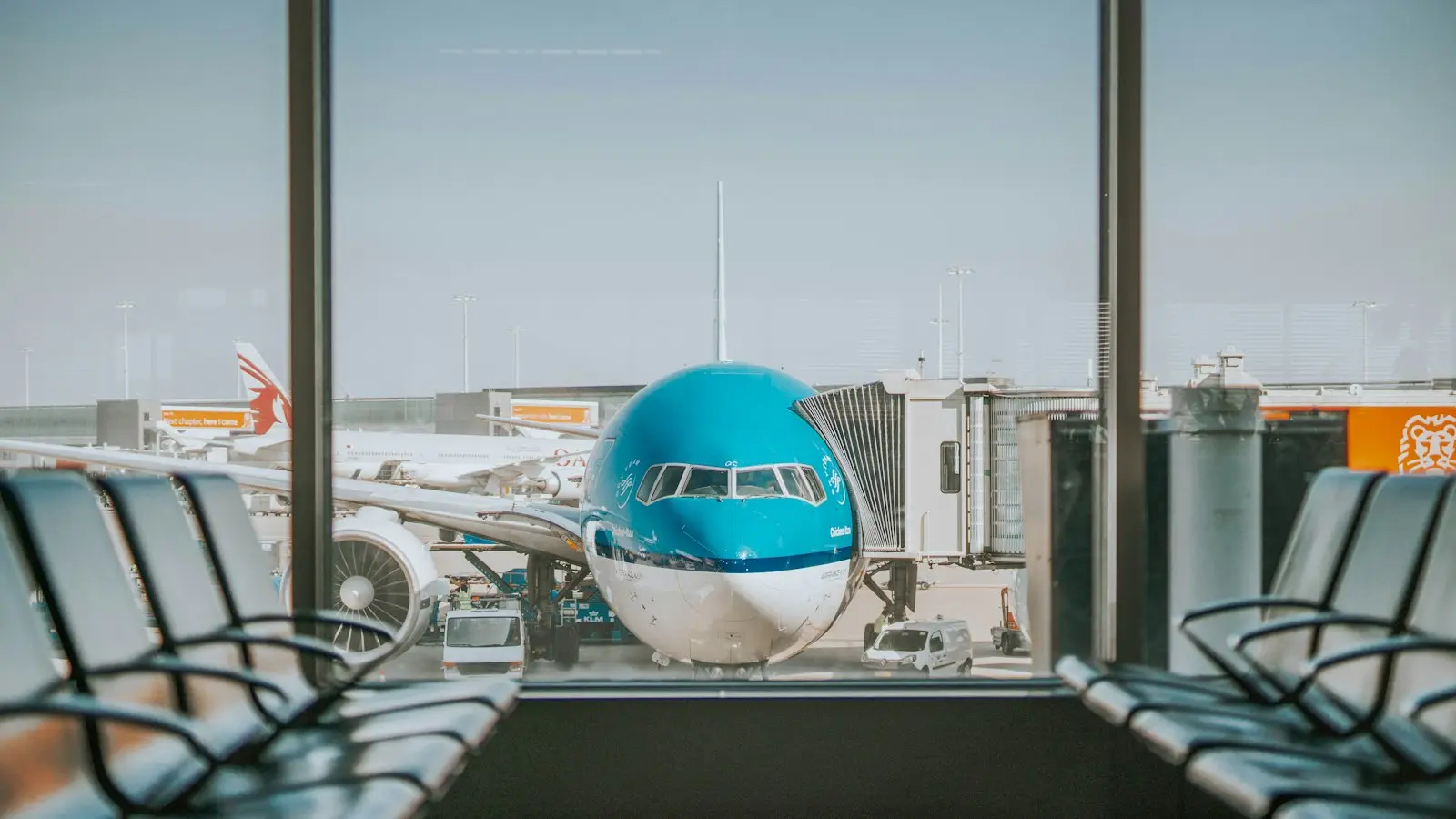
Travel disruptions can influence sports performance, but they do not automatically explain an away defeat. The most credible effects usually appear through poorer sleep, lower alertness, reduced recovery time, disrupted preparation, and more difficult selection decisions. Whether those effects become visible in competition depends on the journey, the time zones crossed, the gap before the next fixture, and the team’s ability to absorb fatigue.
The key distinction is between ordinary travel fatigue and jet lag. A domestic journey can leave athletes tired without shifting their internal body clock, while a long-haul trip can create both physical travel strain and circadian disruption. That difference helps explain why distance alone is a weak measure of the away-game travel effect.
Key Takeaways
- Travel fatigue can occur without crossing time zones; jet lag involves a mismatch between the body clock and local time.
- Travel may affect sleep, mood, alertness, perceived effort, and preparation more consistently than it affects technical or tactical output.
- Eastward and westward journeys create different adjustment demands, but neither direction is universally worse for every athlete.
- Short turnarounds, overnight transport, repeated trips, and limited roster depth can make travel more consequential.
- Travel should be assessed alongside rest days, opponent quality, injuries, venue, weather, tactics, and player availability rather than blamed for one result.
Travel fatigue and jet lag are different problems
Travel fatigue is the general physical and mental burden of moving between places. It can involve early departures, prolonged sitting, dehydration, irregular meals, airport delays, cramped transport, stress, and reduced sleep opportunity. It can occur on a coach, train, or short flight, even when an athlete remains in the same time zone.
Jet lag is different. It occurs when an athlete’s internal clock is out of step with local time after crossing time zones. An athlete may arrive when the body still expects to sleep, eat, train, or compete according to the schedule at home. This mismatch can affect sleep timing, daytime alertness, concentration, mood, and the effort required for normal work.
That distinction matters when discussing travel fatigue and sports performance. Evidence suggests that travel without a major time-zone change may have a clearer effect on how athletes feel than on every measurable aspect of performance. Players may report more fatigue, lower motivation, poorer mood, or greater stress while still producing broadly normal technical or physical outputs in a particular test or match.
Jet lag creates a more direct timing problem, but its effect is not uniform. The number of time zones crossed, direction of travel, arrival time, competition time, individual sleep habits, and opportunity to adjust all matter. One athlete may feel functional after a journey that leaves a teammate struggling to sleep or concentrate.
How sleep and circadian timing can affect readiness
The athlete’s circadian rhythm helps organize sleep, alertness, body temperature, hormone activity, and daily changes in readiness. When travel shifts the external clock faster than the body can adapt, an athlete may be awake at a biologically inconvenient time or trying to perform when the internal system is still preparing for rest.
Poor or shortened sleep can affect more than tiredness. It may reduce concentration, slow decision-making, increase perceived effort, and limit the quality of recovery between training sessions. In a team sport, that could appear as less precise communication or a reduced ability to repeat high-intensity actions. In an individual sport, there may be less opportunity to conceal a small decline in timing, coordination, or focus.
These are plausible pathways, not guarantees. A well-rested athlete may handle a difficult journey effectively, while another may be affected by a comparatively modest disruption. Existing fatigue, anxiety about travel, illness, injury, unfamiliar surroundings, and the importance of the event can all alter the response.
Eastward and westward travel also create different adjustment demands. Eastward travel generally requires the body clock to move earlier, while westward travel generally requires it to move later. Many people find advancing the sleep-wake schedule more difficult than delaying it, but that does not make eastward travel categorically worse for every athlete. Chronotype, training habits, light exposure, flight timing, and the competition schedule can change the practical burden.
The time of the event is especially important. A player may adapt reasonably well to a local evening match but struggle with an early start, or feel alert during a competition that takes place at a familiar biological time despite the local clock being different. This is why simple claims about a team crossing a certain number of time zones should be treated cautiously.
Why recovery time between fixtures matters
The sports team travel schedule becomes more important when travel is combined with a short turnaround. A journey immediately after competition can consume the hours normally used for eating, treatment, sleep, and emotional decompression. If the next fixture arrives before those processes are complete, travel becomes one part of a wider recovery problem.
The burden is shaped by logistics rather than mileage alone. A direct trip during the day may be easier to manage than a shorter journey involving late-night transport, multiple connections, border or security delays, and an arrival close to bedtime. The same route can therefore have different consequences depending on its timing and reliability.
Repeated travel can also affect training. Coaches may replace a demanding session with mobility work, recovery exercise, or tactical meetings. That may protect players physically, but it can reduce time for technical repetition, set-piece preparation, opponent-specific drills, or team coordination. The trade-off is not necessarily a mistake: after a difficult journey, preserving freshness may be more valuable than forcing a full session.
Nutrition presents a similar balancing act. Travel can interrupt normal meal timing and make it harder to access familiar food, fluids, or recovery options. Staff can plan meals and hydration around the itinerary, but delays and limited facilities create uncertainty. A team that arrives late may have to choose between a substantial meal, treatment, tactical work, and an earlier attempt at sleep.
Long-term claims require more caution. A congested run of fixtures may contribute to accumulated fatigue, but season performance also reflects opponent quality, injuries, tactical changes, squad depth, and competition priorities. Travel may be part of the load without being the dominant cause.
Team logistics, roster depth, and the away-game effect
Travel can affect results indirectly through selection. A coaching staff may reduce a starter’s minutes, rest a player with a manageable complaint, or alter the lineup because the next fixture is close. That decision can lower the team’s strongest available quality in one match while improving its chances across a longer sequence.
Substitution depth matters too. In sports with rolling substitutions or large matchday squads, coaches have more ways to distribute fatigue. They can protect high-load players, change the pressing plan, or reduce the number of athletes expected to play every minute. In sports with limited substitutions, a fatigued starter may have to remain on the field, making reduced readiness harder to manage.
Individual sports work differently. A team can spread responsibilities across players, but an individual competitor cannot replace a tired performer during a race, match, or attempt. At the same time, individual athletes may have more control over their travel schedule, warm-up routine, accommodation, and recovery environment. The impact depends on both the sport and the level of logistical support.
Home advantage includes travel-related benefits, but it is not only a matter of sleeping in one’s own bed. Home teams usually have more stable routines, familiar facilities, predictable meal access, local support, and no journey immediately before the event. Crowd influence, venue knowledge, officiating pressure, weather, altitude, and tactical familiarity may also contribute.
That makes the away-game travel effect difficult to isolate. An away team may be disadvantaged by travel while also facing a stronger opponent, a different playing surface, an unusual climate, or a tactical matchup that would have been difficult anywhere. Travel is one variable within a competitive system, not a standalone explanation.
Travel-fatigue recovery and realistic mitigation
Teams can reduce the burden of travel, even though they cannot remove it. Planning arrival times is one option. Depending on the itinerary and competition time, staff may prefer to arrive early enough for adjustment or travel later to protect sleep at home. There is no universal answer because the best approach depends on direction, distance, accommodation, and the time available before competition.
Sleep protection is central. Teams may keep room assignments quiet, limit unnecessary meetings, preserve consistent pre-sleep routines, and align training with the destination schedule. Appropriately timed light exposure can also help shift the body clock, but its timing should be planned rather than improvised. Sleep schedules and light strategies are individual matters and should be coordinated with qualified sports-medicine or performance staff.
During long journeys, regular movement, sensible hydration, and planned meals can make the process more manageable. A short, low-load recovery session after arrival may restore movement and readiness without adding substantial training stress. Staff can monitor sleep, perceived fatigue, mood, soreness, and other wellness indicators to identify athletes who are coping poorly.
Squad management is another practical tool. Rotation, modified training, altered tactical demands, and extra recovery time can protect performance when the schedule allows. These choices involve opportunity costs: resting a key player may reduce the chance of winning the next match, but forcing that player through every fixture may create a larger problem later.
Interventions also have limits. A carefully managed itinerary cannot guarantee normal sleep, eliminate a time-zone shift, prevent delays, or make an unfamiliar venue feel like home. Supplements or medication should not be treated as universal solutions and require appropriate professional guidance.
To judge whether travel mattered in a specific match, analysts should compare rest days, time zones, journey complexity, arrival time, opponent strength, venue, weather, altitude, injuries, tactical changes, and player availability. Repeated patterns across many fixtures are more informative than one poor result after a flight. The strongest conclusion is usually not that travel caused a defeat, but that it changed the conditions under which the team had to perform.
FAQ
Does flying to an away game always reduce a team’s performance?
No. Travel can increase fatigue and disrupt routines, but its effect varies widely. A direct journey followed by adequate sleep may have little visible impact, while a delayed overnight trip before a short-rest fixture may be more consequential. Opponent quality, injuries, venue, tactics, and weather must be considered before assigning blame to travel.
Is eastward travel harder for athletes than westward travel?
Eastward travel generally asks the body clock to advance, while westward travel asks it to delay. Advancing can be difficult for many people, but eastward travel is not automatically worse for every athlete. Direction, time zones, chronotype, competition timing, and preparation time all influence the adjustment.
How long does it take athletes to recover from travel fatigue or jet lag?
There is no single recovery timetable that applies to every athlete. Ordinary travel fatigue may improve after rest, food, movement, and a normal routine, while jet lag can persist as the body clock adjusts to local time. The number of zones crossed, direction, sleep quality, schedule congestion, and individual response all affect recovery.