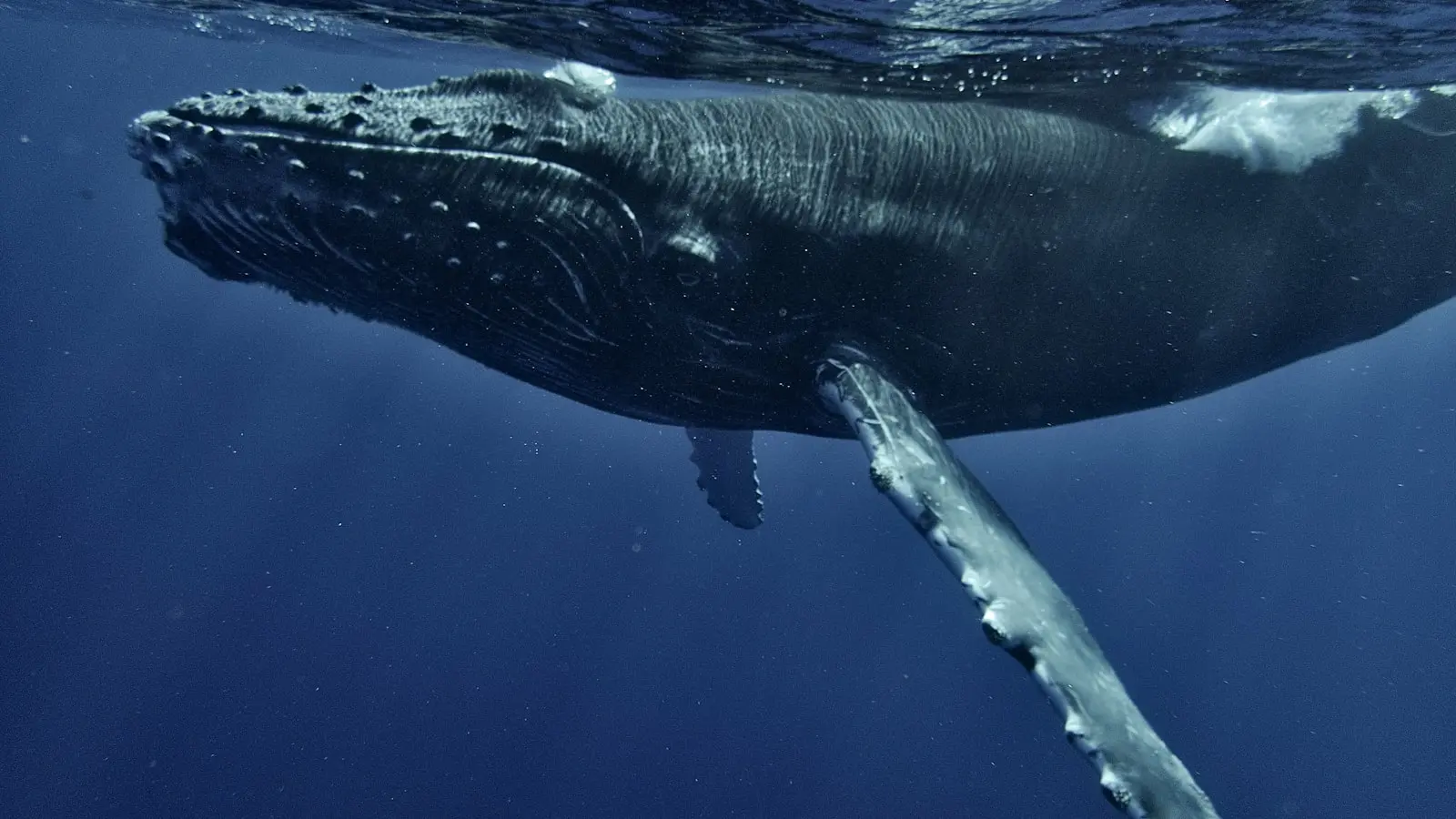
Swimming with whales in Tonga can be extraordinary, but it is not a guaranteed holiday excursion. The season creates an opportunity for encounters; it does not promise a sighting, an in-water swim, calm seas, or a particular kind of whale behavior.
The most reliable approach is to book an authorized operator early, leave several possible boat days in your itinerary, and accept that the skipper or guide may say no. That flexibility is part of responsible wildlife travel, not a failure of the trip.
Key Takeaways
- Treat swimming with whales in Tonga as a weather- and wildlife-dependent activity, not a guaranteed encounter.
- Contact licensed operators well before travel and hold more than one possible boat day.
- Confirm deposits, cancellation terms, meeting points, group arrangements, and rescheduling options in writing.
- Choose crews that prioritize whale behavior and safety over close photographs or ambitious promises.
- Be realistic about open-water swimming, boat transfers, swell, motion sickness, and remote-island disruptions.
Treat Swimming With Whales in Tonga as Wildlife Activity, Not a Guaranteed Trip
A whale can be nearby and still not be suitable for an in-water encounter. It may be traveling quickly, resting, accompanied by a calf, unsettled by vessels, or simply unwilling to remain near people. Conditions that look promising from shore can change by the time a boat reaches open water.
Weather matters just as much. Wind, swell, visibility, current, rain, and sea state affect whether a boat departs, where it can travel, and whether it is safe to put swimmers in the water. A capable skipper may shorten a trip, change the search area, keep the experience boat-based, or cancel entirely.
That makes swimming with whales in Tonga different from booking a fixed attraction. You are paying for a professionally managed attempt within a suitable weather and wildlife window, not purchasing a close encounter on demand.
This distinction matters most for travelers on a tight schedule. Families should consider children’s comfort with long boat days and deep water. Solo travelers should not assume a group can be assembled at short notice. Even confident pool swimmers may find chop, ladders, masks, fins, and open-water depth more demanding than expected.
Plan the Timing Around Weather Windows and Backup Days
Before booking, verify the current Tonga whale season directly with the relevant Tonga government, tourism, or marine-wildlife authority, as well as with your chosen operator. Seasonal operating dates and permit conditions can change, and promotional material may not reflect current rules.
Do not assume the busiest part of the season is the easiest time to arrange a trip. Peak demand can make boat places, accommodation, domestic transport, and preferred dates harder to secure. Small islands may have limited authorized capacity even when whales are present nearby.
Build your itinerary around multiple possible boat days. If possible, arrive several days before your intended whale experience rather than scheduling it immediately after an inter-island transfer or directly before an international departure. That margin helps with weather cancellations, delayed connections, no-swim days, or an encounter that is worthwhile but shorter than hoped.
Treat the first available day as an opening attempt rather than your only chance. If conditions are good, you gain free time later in the trip. If they are not, the operator has room to reschedule without turning the rest of your plans into a stressful negotiation.
Choose backup activities that do not depend on whale conditions or a long boat run. Depending on your island and accommodation, that might mean snorkeling in calmer water, a beach day, a local walk, a village visit arranged through your host, or simply a slower day. The point is to prevent a weather cancellation from feeling like a ruined holiday.
Book a Licensed Operator Before Arrival and Confirm Details in Writing
Start your whale swim booking well before you land in Tonga. Small operators may be managing boats, weather decisions, transfers, and guests while working with limited connectivity. Slow replies do not automatically signal poor service, but they do make last-minute arrangements less dependable.
Contact more than one operator and ask about several possible dates rather than one fixed morning. Share your group size, swimming experience, arrival island, accommodation, and how long you can remain flexible.
Before paying a deposit, request written confirmation of:
- the date or range of dates being held;
- the departure point, meeting time, and expected trip length;
- what is included, such as gear, food, transfers, or photography;
- expected group size and how swimmers are managed;
- deposit amount, balance deadline, and payment method;
- weather, operator, and traveler cancellation terms;
- what happens if the boat departs but no suitable in-water encounter occurs; and
- whether the trip can move to a backup date.
Ask whether the business is currently licensed or otherwise authorized under Tonga’s applicable whale-watching and swimming framework, and how that status can be independently checked. Do not rely only on polished marketing or dramatic images. Licensing and operating conditions require current official confirmation.
When comparing Ha’apai whale tours with options elsewhere in Tonga, look beyond the headline price. Consider communication clarity, safety briefings, guide experience, boat condition, group management, and whether the crew explains limitations honestly. A business that guarantees swims, effortless proximity, or perfect photographs is offering the wrong kind of certainty.
Reconfirm shortly before departure through the operator’s preferred contact method. Save phone numbers, meeting-point directions, and key booking details offline. On remote islands, delayed messages can be normal; missing a departure because you assumed the wrong dock or time is avoidable.
Choose Responsible Whale Tourism Over the Closest Possible Encounter
Responsible whale tourism starts with a simple principle: whales decide whether an encounter happens and how long it lasts. A good guide watches animal behavior, assesses the sea, and makes conservative decisions even when guests are eager to get in the water.
Once aboard, follow instructions precisely. That may include where to sit, when to enter, how to move, how to manage spacing, whether to use a camera, and when to return to the boat. Calm, quiet behavior matters more than chasing the perfect image.
Do not touch, feed, chase, block, crowd, or attempt to hold position in front of a whale. Do not separate animals from one another or treat a calf-and-adult pair as a photo opportunity. If an encounter ends quickly, that is information about what the animals are willing to tolerate, not a reason for a crew to push harder.
Current rules may cover operator licensing, vessel approaches, swimmer numbers, encounter duration, calf-related protections, and interference with whale behavior. Verify those details with the responsible Tonga authority before travel, because exact requirements and enforcement can change. Avoid operators who dismiss rules or imply that the best experience depends on getting closer than everyone else.
Ethics and trip quality are closely linked. A crew that explains a cautious decision and handles a disappointing day patiently is usually offering a more credible wildlife experience than one that treats restraint as failure.
Prepare for Ha’apai and Other Remote-Island Realities
Ha’apai and other outer-island destinations can feel wonderfully removed from routine, but that remoteness affects planning. Domestic flights may change, ferries can be weather-dependent, baggage allowances may be restrictive, and accommodation can be limited. Account for those variables before committing to a nonrefundable whale day.
Avoid booking an excursion immediately after an inter-island transfer, especially if you have no margin for delays. Likewise, do not put your only whale day directly before a departure you cannot miss. A rushed traveler is more likely to pressure an operator to go out in marginal conditions, which is unsafe and unfair to the crew.
Sort practical details before arrival. Ask your accommodation about cash access, card acceptance, harbor transfers, meals on boat days, and local connectivity. Keep enough room in your budget for shifted dates, an extra night, or changed transport plans.
For the boat, pack swimwear, a towel, drinking water, a dry bag, and a warm layer for wind or rain after a swim. Use sun protection appropriate for marine settings where suitable, and follow the operator’s guidance on gear. If you are prone to motion sickness, discuss appropriate options with a pharmacist or clinician before travel rather than trying something new on the boat.
Be candid about swimming confidence. An in-water whale encounter can involve stepping or rolling from a boat, climbing a ladder, floating in deep water, managing a mask and fins, and staying composed in swell. It may not suit people with limited mobility, severe seasickness, low open-water confidence, or health concerns that make exertion or boat transfers difficult. Ask the operator about the physical demands, then make the conservative call.
FAQ
When is the Tonga whale season, and how many backup days should I plan?
Confirm the current official seasonal window before booking rather than treating unverified dates as fixed. Plan more than one possible boat day if your budget and itinerary allow. A few flexible days are far safer than relying on a single departure.
Can I book swimming with whales in Tonga after I arrive?
You may find space, but it is risky to depend on it. Limited authorized capacity, weather changes, remote communication, and peak-season demand can make last-minute whale swim booking difficult. Contact operators well in advance and reconfirm shortly before arrival.
Do I need to be a strong swimmer to join a Tonga whale swim tour?
You should be comfortable in open water, able to follow instructions calmly, and able to manage basic snorkeling gear in changing conditions. Pool confidence alone may not be enough. Ask the operator about entry methods, flotation support, currents, ladders, and whether staying on the boat is an acceptable option.