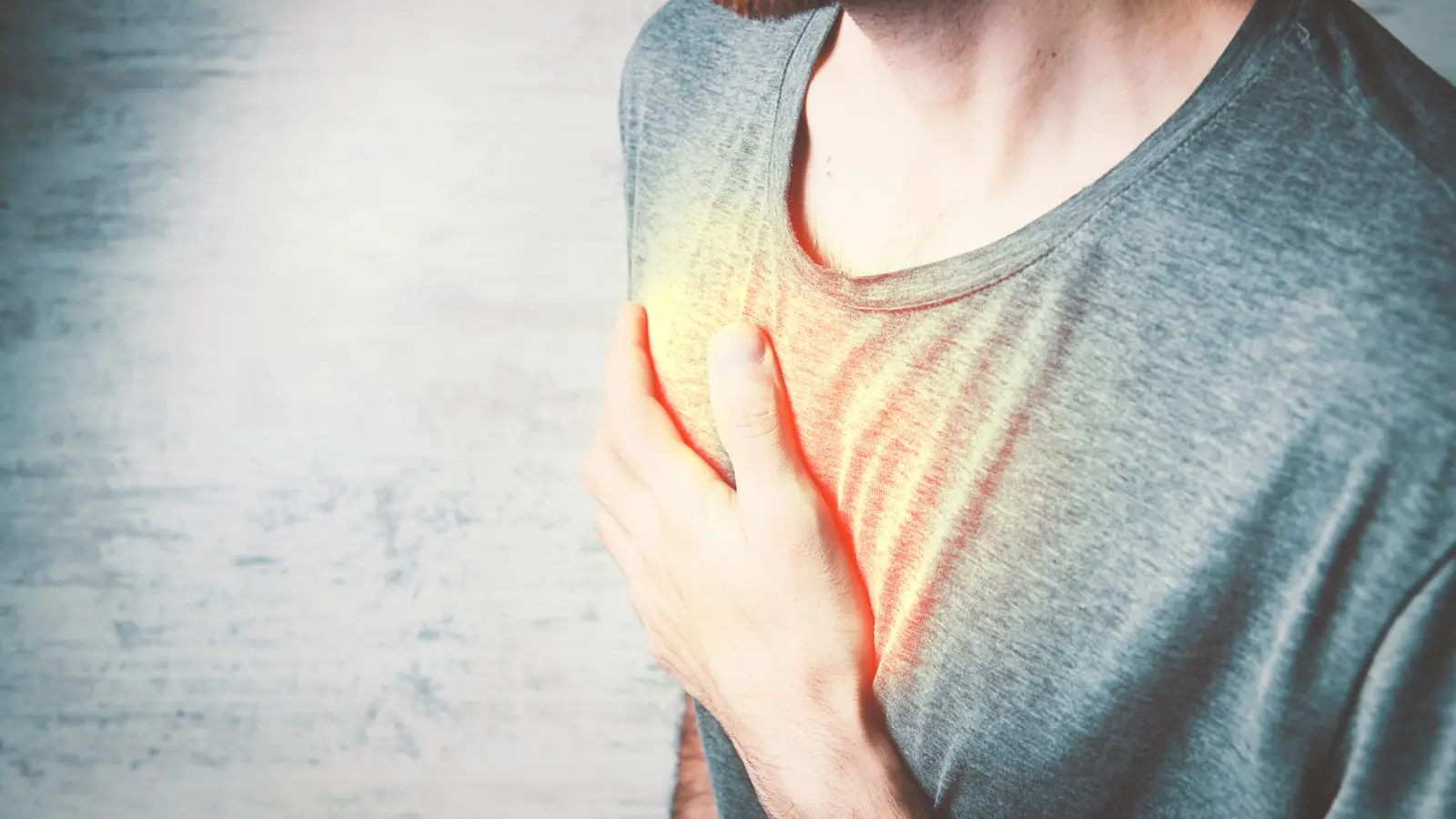
Yes, stress can produce physical chest pain that feels very much like a heart attack. The body’s stress response activates the fight-or-flight system, leading to muscle tension, rapid breathing, and a surge in heart rate and blood pressure. Understanding how these mechanisms create chest discomfort and knowing the key differences between stress-induced pain and cardiac pain can help you make safer decisions.
Key Takeaways
- Stress hormones like cortisol and adrenaline cause chest muscle tension, rapid breathing, and increased heart rate that can mimic cardiac pain.
- Panic attack chest pain is often sharp and localized; heart attack pain is typically a squeezing pressure that may radiate to the arm or jaw.
- Hyperventilation from anxiety can produce chest tightness, tingling, and palpitations that feel frightening but are not cardiac.
- Call 911 if chest pain occurs with exertion, radiates, or is accompanied by nausea, cold sweat, or shortness of breath.
- Long-term management includes therapy, exercise, breathing techniques, and medical evaluation to rule out underlying heart conditions.
How Stress Hormones Trigger Chest Pain
When you encounter a stressful situation, your adrenal glands release cortisol and adrenaline. These hormones prepare your body for immediate action by increasing heart rate, constricting blood vessels, and tightening skeletal muscles. The intercostal muscles between your ribs are especially prone to this tension, which can result in a dull ache or sharp twinge in the chest.
At the same time, stress often triggers rapid, shallow breathing, known as hyperventilation. This overbreathing lowers carbon dioxide levels in your blood, causing a feeling of chest tightness, tingling in the hands or face, and sometimes a sensation that you cannot get enough air. Some people interpret these sensations as a sign of a heart attack.
Stress can also raise blood pressure and heart rate to levels that mimic angina. In some cases, extreme emotional stress may trigger a temporary heart condition called stress-induced cardiomyopathy (Takotsubo syndrome), where part of the heart muscle weakens briefly. However, this is rare and usually occurs after a profoundly shocking event, not everyday stress.
Panic Attack vs. Heart Attack: Key Differences
Although both conditions can cause intense chest discomfort, their patterns often differ in ways that can help you distinguish them.
Location and quality of pain. Panic-related chest pain is frequently described as sharp, stabbing, or localized to a small area. It may move around. Heart attack pain is more often a heavy, squeezing pressure or tightness in the center of the chest that can radiate to the left arm, jaw, back, or stomach.
Duration. Panic attack symptoms usually peak within 10 minutes and gradually fade as breathing slows. Heart attack pain typically persists for more than a few minutes or comes and goes in a worsening pattern.
Triggers. Panic attacks can occur at rest, often during or after emotional stress. Heart attacks are more likely during physical exertion, but they can also happen at any time, even during sleep.
Associated symptoms. Panic attacks commonly include hyperventilation, numbness or tingling in the hands or around the mouth, a sense of unreality, and an intense fear of dying. Heart attacks more often involve significant shortness of breath, nausea or vomiting, cold sweats, lightheadedness, and a feeling of impending doom that is not necessarily linked to hyperventilation.
Because these symptoms can overlap, it is never safe to assume chest pain is “just anxiety” without a thorough medical evaluation.
The Role of Hyperventilation Syndrome in Anxiety Chest Pain
Hyperventilation itself is a common cause of chest discomfort in people with anxiety. When you breathe too quickly, you exhale too much carbon dioxide, leading to respiratory alkalosis. This shifts your blood chemistry and can cause chest tightness, palpitations, dizziness, and a sense of suffocation.
Chronic anxiety can keep your breathing pattern slightly elevated, making you more susceptible to these episodes. Simple breathing retraining - such as slow, diaphragmatic breathing at a rate of 6-8 breaths per minute - can often relieve the chest tightness associated with hyperventilation. Grounding techniques, like focusing on sensory details in your environment, may also help calm the stress response.
When to Call 911 Without Hesitation
Certain signs should prompt immediate emergency action, regardless of whether you have a history of anxiety or panic attacks. Call 911 if your chest pain:
- Occurs during physical exertion or stress and does not quickly resolve with rest
- Radiates to your left arm, jaw, back, or neck
- Is accompanied by shortness of breath, nausea, cold sweat, or lightheadedness
- Feels like heavy pressure or squeezing that lasts more than a few minutes
- Comes with a strong sense of impending doom that is not linked to hyperventilation
If you have risk factors for heart disease - such as older age, smoking, diabetes, high blood pressure, or a family history of early heart attacks - the threshold for seeking care should be even lower.
It is important to remember that going to the emergency room and being told your chest pain is non-cardiac is far safer than staying home with a potential heart attack. Emergency clinicians have the tools to quickly distinguish between cardiac and non-cardiac causes.
Long-Term Strategies to Reduce Stress-Related Chest Pain
If you have been evaluated by a doctor and confirmed that your chest pain is related to stress or anxiety, several approaches can help reduce the frequency and intensity of episodes.
Cognitive behavioral therapy (CBT) is effective for managing anxiety and breaking the cycle of catastrophic thinking that can amplify physical sensations. Regular aerobic exercise helps regulate stress hormones and improves cardiovascular fitness. Relaxation techniques such as deep breathing, meditation, or progressive muscle relaxation can lower baseline tension.
Lifestyle adjustments also matter. Reducing caffeine and alcohol intake, maintaining a consistent sleep schedule, and avoiding stimulants can decrease your nervous system’s reactivity. Identifying and reducing known stress triggers - whether from work, relationships, or financial pressures - can also help.
If you experience recurring episodes of chest pain with anxiety despite these measures, follow up with your primary care provider or a cardiologist for a comprehensive cardiac workup. This may include an electrocardiogram (ECG), a stress test, or imaging to rule out underlying heart conditions.
FAQ
How can I tell if my chest pain is from stress or a heart attack? No single symptom can reliably distinguish them. The safest approach is to check for red flags: pain with exertion, radiation to the arm or jaw, nausea, cold sweat, or shortness of breath. If any of these are present, call 911. If the pain is sharp, localized, and occurs with hyperventilation during a moment of high emotion, it is more likely stress-related, but only a medical evaluation can confirm.
Can stress alone cause a real heart attack (stress cardiomyopathy)? Extreme emotional stress can trigger a temporary condition called Takotsubo cardiomyopathy, which mimics a heart attack and involves a weakening of the heart muscle. However, this is rare and typically follows a sudden, overwhelming event such as the death of a loved one or a severe shock. Chronic daily stress does not typically cause this syndrome, but it can contribute to long-term cardiovascular risk through elevated blood pressure and inflammation.
What should I do if I have chest pain and a history of anxiety? Do not assume it is your anxiety. Use the same decision criteria as anyone else. If you have any doubt or any red flag symptoms, go to the emergency room. Tell the staff about your history of anxiety so they can consider non-cardiac causes, but allow them to perform the necessary tests. Once a cardiac cause is ruled out, work with your mental health provider to manage the underlying anxiety.