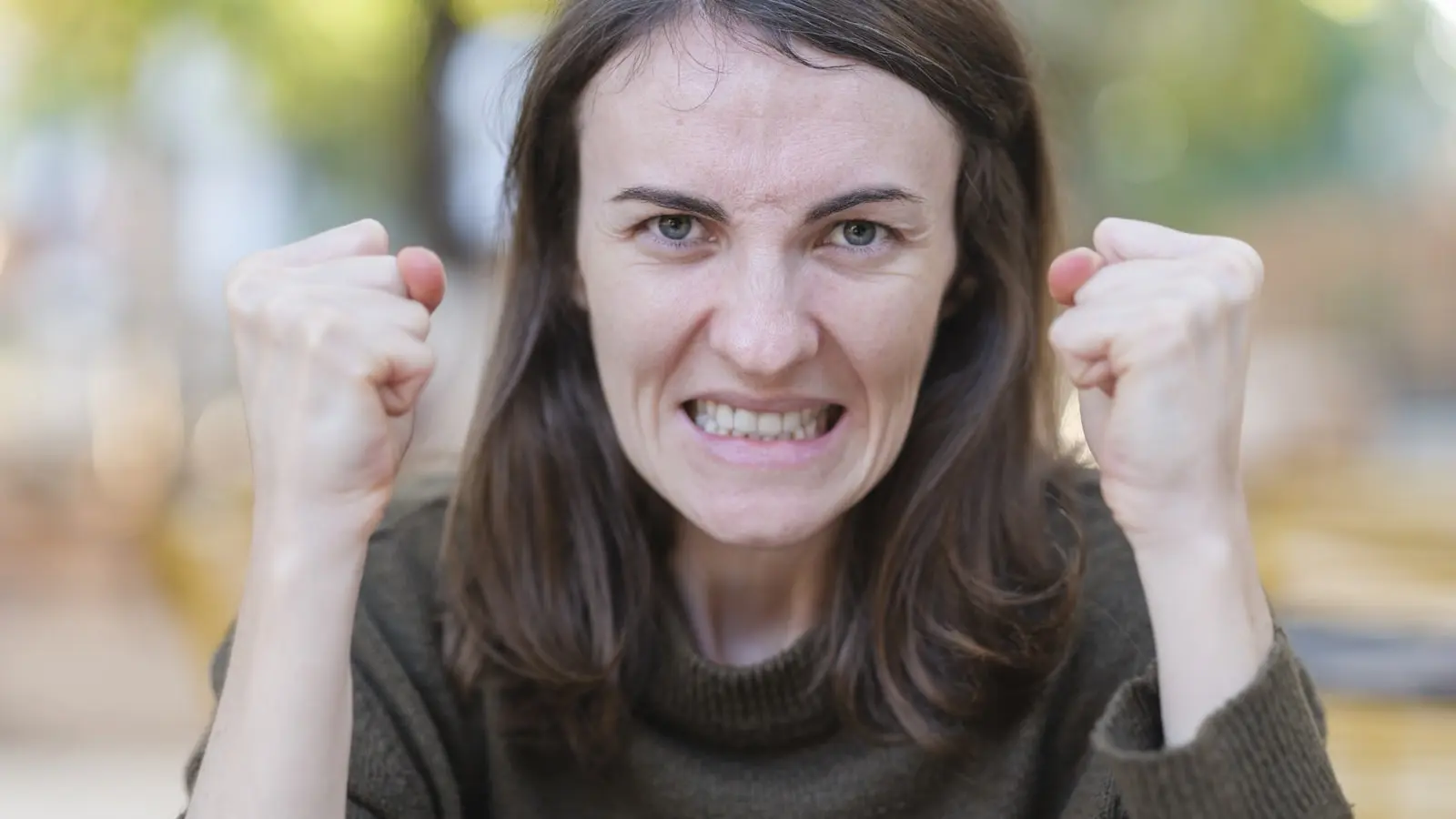
Sports villains polarize audiences, but the data and psychology suggest they often boost fan engagement rather than harm it. The key is understanding why fans enjoy booing, how that translates into revenue, and where the line between compelling villainy and toxic behavior lies.
Key Takeaways
- Sports villains often boost fan engagement through heightened emotion, in-group bonding, and increased media attention.
- The economic impact is real: polarizing athletes drive ticket sales, TV ratings, and social media buzz.
- The line between compelling villainy and toxic behavior is critical; leagues manage it to avoid alienating fans and sponsors.
- Redemption arcs show that villains can become beloved figures, especially when they show accountability.
Defining the Sports Villain: More Than a Rival
A sports villain is not simply a rival. Rivals are opponents you respect but dislike because of competition. A villain, by contrast, cultivates an antagonistic persona through deliberate rule-breaking, taunting, or unsportsmanlike conduct. In professional wrestling, this is scripted: the “heel” exists to draw heat and sell tickets. In real sports, villainy emerges organically from personality and behavior.
Historical examples illustrate the spectrum. Ty Cobb was known for aggressive, often violent play and racist attitudes that made him hated long after his career. John McEnroe’s on-court outbursts and confrontational style turned him into tennis’s most booed figure. Dennis Rodman embraced chaos with colorful hair, technical fouls, and antics that made him a villain to opposing crowds. Floyd Mayweather built his brand on arrogance, trash talk, and a perfect record that fans wanted to see broken.
Media and social media amplify these narratives. A viral clip of a scuffle, a provocative interview, or a meme can turn a mid-tier athlete into a household villain overnight. The modern 24/7 news cycle ensures that villainous moments stay in the spotlight longer, feeding engagement across platforms.
The Psychology of Booing: Why Fans Embrace Villains
Parasocial relationships explain part of the appeal. Fans develop strong emotional attachments to athletes they don’t personally know. When a villain acts against their team or values, the emotional response feels real and visceral. Booing becomes a cathartic release.
Shared dislike also strengthens in-group bonding. When fans unite against a common enemy—a notoriously dirty player, a loudmouth, a flop artist—they reinforce their own identity as loyal supporters of the “good” side. This us-versus-them dynamic is one of the most powerful forces in fandom. Cognitive dissonance plays a role too: rooting against a villain allows fans to affirm their own moral and competitive standards, making them feel superior.
Research on fan psychology suggests that negative emotions can be as engaging as positive ones. The thrill of indignation, the energy of a heated rivalry, and the satisfaction of a villain’s defeat all contribute to higher emotional investment. A game without stakes or emotion is forgettable; a game where the villain is involved is memorable.
The Economic Upside: How Villains Drive Revenue
The economic impact of sports villains fan engagement is measurable. Floyd Mayweather’s pay-per-view numbers, especially the megafight against Conor McGregor, relied heavily on the narrative of Mayweather as the brash, unbeatable villain that millions wanted to see lose. Dennis Rodman merchandise sold at high rates because fans either loved his style or bought it ironically—but either way, sales went up.
TV ratings and stadium attendance often spike when polarizing athletes are on the schedule. A player known for altercations, flops, or trash talk guarantees a charged atmosphere. Broadcasters highlight these personalities in pregame shows, generating buzz. Social media engagement multiplies that effect: every controversial play becomes a clip that circulates, drawing in casual viewers.
Correlation is not causation. A villain’s presence often coincides with high-stakes games or strong rivalries, which also drive engagement. But the pattern across sports suggests that a well-crafted villain amplifies existing interest. Leagues and broadcasters know this—they feature villains in promotional materials and schedule games involving them in prime time.
When Villainy Turns Toxic: The Fine Line
Not all villainy is good for business. When behavior crosses from entertaining to criminal or dangerous, it alienates fans, sponsors, and broadcast partners. Incidents involving violence, betting scandals, or persistent unsportsmanlike conduct can damage a league’s brand.
Leagues manage this balance through fines, suspensions, and rule changes. The NBA’s introduction of flagrant foul classifications and instant replay review partly came as responses to overly aggressive play that risked player safety. The NHL’s Department of Player Safety levies suspensions for hits that go beyond the acceptable level of physicality. Soccer’s yellow and red card system penalizes repeated fouls and simulation.
The tipping point occurs when the negative attention outweighs the engagement benefit. Families may stop attending games if they fear witnessing fights or hearing profanity. Sponsors may distance themselves from athletes with criminal records. A villain who becomes a legal liability is no longer an asset. The line is context-dependent: what works in boxing or combat sports may not work in tennis or golf.
Redemption and the Modern Villain
Several athletes have successfully transitioned from villain to beloved figure. John McEnroe, once the most booed man in tennis, became a respected commentator and elder statesman. His outbursts are now remembered as passion rather than malice. Dennis Rodman’s later career saw him embraced as a cult icon, his eccentricities reframed as authenticity. Floyd Mayweather remains polarizing, but his business savvy and longevity have earned grudging respect.
Modern examples like Draymond Green and Diego Costa show how the social media era changes the calculus. Green’s technical fouls, altercations, and outspoken personality make him a constant headline. Some fans despise him; others defend him as a fiercely competitive winner. Costa’s aggressive style and habit of winding up defenders earned him the nickname “bully,” yet his role in successful teams made him admired by his own supporters.
Accountability matters. Athletes who acknowledge mistakes, show genuine remorse, or change their behavior can reshape their narrative. Social media gives them direct channels to explain themselves, apologize, or showcase a different side of their personality. A 24/7 news cycle also ensures that negative stories persist, but it also allows for redemption arcs to play out in real time. The modern villain is not static—their image can evolve with each season.
FAQ
Do sports villains always increase fan engagement? Not always. Persistent villainy can deter casual fans and families, especially when it involves violence or illegal acts. The effect depends on the sport, the context, and the fan base’s tolerance. In some cases, a league may step in to curb behavior that damages its image.
Why do some athletes deliberately act like heels? Some embrace the role to gain attention, build a personal brand, or psych out opponents. In wrestling it’s scripted; in other sports it can be a strategic persona that boosts marketability and creates a memorable identity.
Can a sports villain become a beloved figure? Yes. Redemption arcs often work if the athlete shows genuine remorse, changes behavior, or ages into a respected veteran. Social media allows fans to see evolved personalities off the field, which can soften perceptions over time.