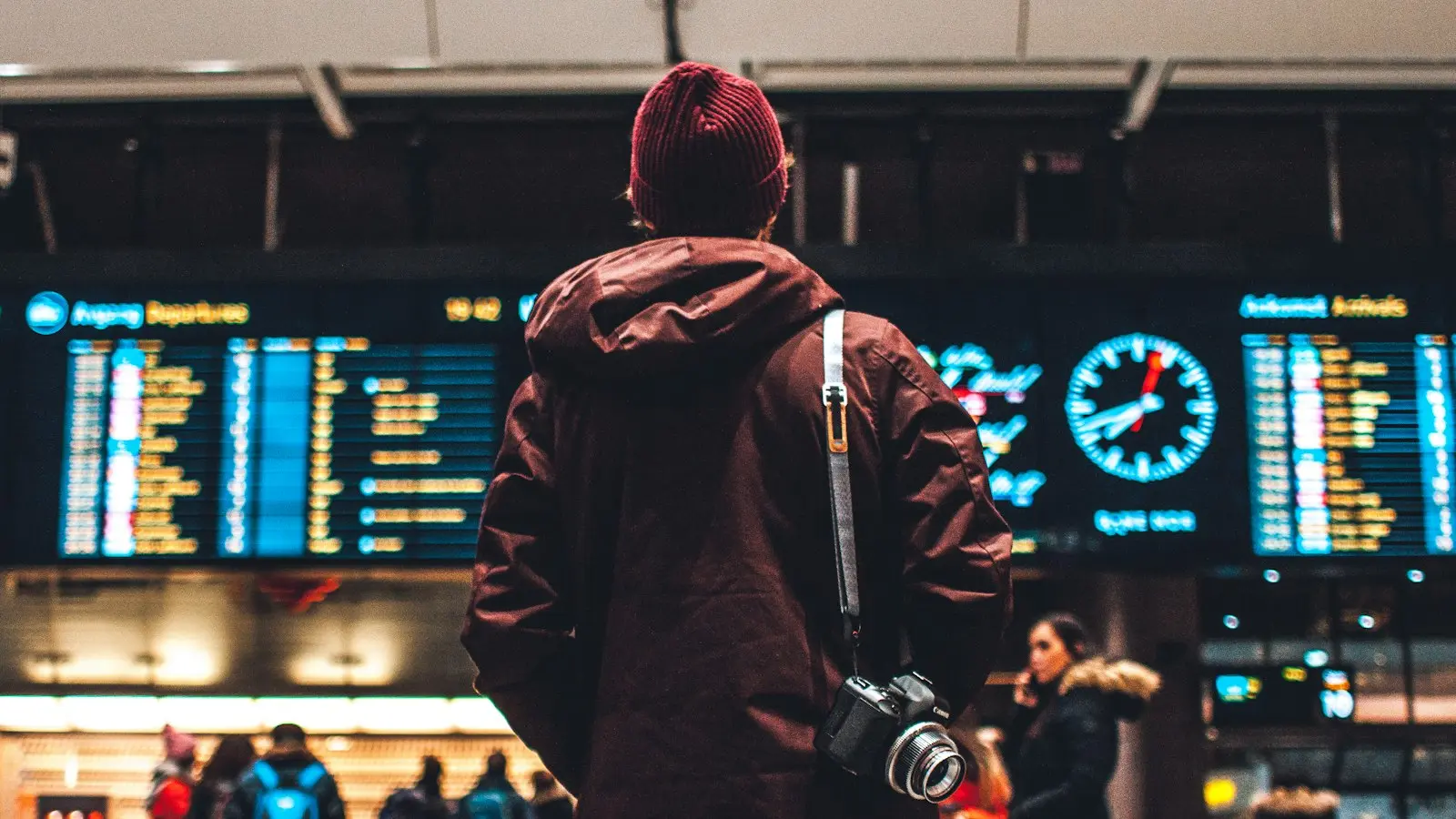
Long travel can affect sports performance, but distance alone does not make a team worse. Sports travel fatigue usually combines circadian disruption, lost sleep, prolonged sitting, altered meals, unfamiliar surroundings, late arrivals, and reduced recovery time. The effect depends on the sport, travel direction, competition time, schedule density, and the team’s preparation.
A team may struggle after crossing several time zones because athletes are less alert, poorly recovered, or still operating on their previous body-clock schedule. But the same result could reflect injuries, tactics, opponent quality, venue conditions, or ordinary competitive variance.
Key Takeaways
- Jet lag is only one part of sports travel fatigue; sleep loss, long periods of sitting, disrupted routines, and compressed recovery can matter too.
- Eastward and westward travel create different adjustment demands, but neither direction guarantees worse performance.
- Arrival time, competition timing, schedule density, sport demands, and roster depth often matter as much as travel distance.
- Sleep planning, timed light exposure, strategic naps, movement, regular meals, and appropriate recovery days may reduce disruption without guaranteeing normal performance.
- Travel can contribute to home advantage, but one away loss cannot prove that travel caused the result.
What sports travel fatigue actually includes
Sports travel fatigue is not one precisely defined condition. It describes the combined physical, cognitive, and scheduling strain created by moving athletes between environments while maintaining a demanding training and competition calendar.
Jet lag is one part of that picture. It occurs when the body’s internal clock remains aligned with the departure location while the athlete is expected to sleep, eat, train, and compete according to local time. That mismatch can affect sleep timing, alertness, mood, and perceived exercise difficulty.
Ordinary travel fatigue is different. An athlete can feel worn down after a long journey without crossing a time zone. Sitting for hours, carrying equipment, waiting in terminals, sleeping in awkward conditions, eating at unusual times, and dealing with travel stress can all reduce readiness even when the destination clock is familiar.
The arrival schedule adds another layer. A late landing may leave little time for a proper meal, mobility work, treatment, or uninterrupted sleep. An unfamiliar hotel or training facility can make routines less predictable. These disruptions become more important when the next match is scheduled soon after arrival.
Travel can also reduce preparation time. A team may have fewer opportunities to practice set plays, inspect the playing surface, complete rehabilitation, or adjust to venue conditions. These effects do not guarantee poor performance, but they can reduce the margin for error.
Why time-zone changes can affect athletes
The circadian system helps coordinate sleep, alertness, body temperature, hormone activity, digestion, and other daily functions. Crossing time zones does not instantly reset that system. An athlete may therefore be awake when the body expects sleep or competing when the body expects a lower level of alertness.
Sleep disruption is often the most visible consequence. An athlete might fall asleep at the local bedtime but wake early, sleep lightly, or fail to get enough total sleep. Poor sleep can influence reaction time, concentration, emotional control, recovery from previous exercise, and perceived exertion. The size of any performance effect varies, and laboratory findings do not always translate directly to a real match.
Competition time matters as well. An evening game at home may take place in the middle of the night according to an athlete’s body clock after a major time-zone shift. A morning event may occur before the athlete’s internal system is ready for sustained effort. The same route can therefore create different challenges depending on when competition begins.
Eastward and westward travel may present different adjustment problems. The body generally has to advance its sleep and wake schedule after eastward travel, while westward travel generally requires a delay. Those changes are not equally easy for everyone, and direction alone does not predict the outcome. Sleep habits, individual body-clock preferences, previous travel, light exposure, and the number of time zones crossed also matter.
Arriving several days before competition can give athletes more opportunity to align sleep, meals, practice, and light exposure with local time. It is not a guarantee, however. Early arrival may mean more time away from normal routines, and teams with a congested calendar may not have that option. The benefit depends on whether the extra time supports adjustment rather than adding another day of disruption.
Why the impact varies by sport, team, and schedule
Team travel performance is shaped by the demands of the sport. A sport requiring repeated high-intensity efforts, rapid decisions, precise coordination, or constant communication may expose the effects of sleep loss and reduced alertness differently from a short individual event. Endurance athletes may face another set of challenges involving pacing, fueling, thermoregulation, and sustained concentration.
Event duration also changes the risk. In a short competition, a small decline in alertness may affect a crucial start, technical decision, or late reaction. In a longer event, accumulated fatigue, pacing judgment, hydration, and nutritional timing may become more important. Tournament athletes face an added challenge because disruption can carry into several consecutive performances.
Roster depth can help some teams absorb the effects of travel. Substitutions may allow a coach to reduce the workload of an athlete who slept poorly or has not fully recovered. In sports with limited substitutions or highly specialized positions, there may be fewer ways to manage a temporary decline in readiness.
The schedule often matters more than distance alone. An overnight journey followed by a same-day competition creates a different burden from the same journey followed by two recovery nights. Back-to-back fixtures, extra time, training demands, and return travel can compound the problem. A modest time-zone change may be difficult when recovery is compressed, while a longer trip may be manageable when the team arrives early and has strong support.
Away game travel effects are also difficult to separate from home advantage. The home team may benefit from familiar facilities, regular meals, established sleep arrangements, crowd support, and knowledge of the venue. Officials, tactics, surface conditions, weather, and the psychology of playing at home may contribute as well. Travel is one possible component, not a complete explanation.
For that reason, one poor away performance cannot prove that travel caused the result. A useful assessment would examine the route, arrival time, rest interval, previous workload, injury list, competition level, and whether similar patterns occurred repeatedly. Without that context, blaming travel can become a convenient story rather than sound analysis.
How teams try to reduce travel disruption
The most credible approach is preparation rather than a single recovery trick. Teams may shift sleep and wake times before departure when the schedule allows, helping athletes move gradually toward the destination clock. Practice timing can also be adjusted so training begins to resemble the competition time.
Light exposure can influence the circadian system, but timing matters. Exposure intended to encourage an earlier or later body-clock shift is not interchangeable. Teams therefore need an individualized plan rather than assuming that more light is always better.
Strategic naps may help manage a short-term sleep deficit, especially when a late arrival or early start cannot be avoided. Naps can also create trade-offs if they are too long or poorly timed and make nighttime sleep more difficult. The goal is to support the schedule without fragmenting it further.
Movement during travel can reduce stiffness associated with prolonged sitting. Walking when practical, simple mobility work, and an arrival routine may help athletes feel more prepared, although these measures do not erase sleep loss or circadian misalignment. Meals should be planned around the destination schedule when possible, and hydration should be maintained without encouraging excessive fluid intake that interrupts sleep.
Recovery days should reflect the actual travel burden. A team arriving late after a demanding sequence of fixtures may gain more from sleep, treatment, mobility, and a short tactical session than from a normal high-load practice. A team that arrives early may use lower-intensity training to reinforce local timing and venue familiarity.
Caffeine, supplements, medication, and sleep aids require greater caution. Their effects and risks differ between athletes, and some products or medications may conflict with medical conditions, team policies, or sport regulations. These decisions belong within qualified sports-medicine oversight rather than a universal travel checklist.
Every intervention has a cost. Moving sleep times can make pre-departure days less convenient, light exposure may be difficult to control, and reducing training can limit tactical preparation. The practical aim is risk reduction, not a promise that an athlete will perform normally after a difficult journey.
What scheduling and recovery resources can change
Team travel performance is partly a resource issue. Organizations with flexible travel arrangements, reliable practice access, medical and performance staff, deeper rosters, and the ability to arrive early may be better positioned to absorb disruption. That does not eliminate fatigue, but it can provide more options when the schedule is difficult.
Scheduling decisions can also change the competitive burden. Fixture timing, rest periods, travel sequence, and access to recovery facilities all influence how quickly athletes can return to normal preparation. Claims about a particular league’s rules or travel policy should be checked against current official information because competition structures differ and can change.
The evidence has important limits. Studies may examine different sports, travel routes, time-zone changes, athlete populations, and performance measures. A controlled test of reaction time is not the same as a full team match, while a survey of perceived fatigue does not show how many points or goals a team will lose.
Broad claims about a universal travel penalty are therefore unreliable. The strongest conclusion is more modest: long-distance travel can create conditions that make performance harder, particularly when it combines time-zone change, sleep restriction, late arrival, and a dense schedule. Whether those conditions decide a result depends on the sport and the quality of preparation around them.
FAQ
How long does jet lag affect athletes after crossing time zones?
There is no fixed timetable. The adjustment period depends on the number of time zones crossed, travel direction, sleep opportunity, light exposure, individual body-clock characteristics, and competition timing. Some athletes may feel settled relatively quickly, while others experience disrupted sleep and alertness for longer. Teams should monitor actual sleep and readiness rather than assume everyone adapts at the same speed.
Is eastward travel worse for sports performance than westward travel?
Eastward and westward travel create different adjustment demands, and one direction may be harder for a particular athlete or schedule. It is not reliable to treat eastward travel as universally worse. The number of time zones, arrival time, event timing, prior sleep, and time available to adjust can be just as important.
What can teams do to reduce the effects of long-distance travel before an away game?
Teams can plan sleep and wake times, use appropriately timed light exposure, protect sleep during and after the journey, schedule movement breaks, organize meals around the destination clock, and build practice and recovery days around the competition time. These measures work best as part of an individualized plan. They reduce avoidable disruption but cannot guarantee normal performance.
The sensible conclusion is not that travel decides every away result. Sports travel fatigue can add physical and cognitive strain, especially when preparation time is short. To judge its importance, look beyond flight distance and consider sleep, time zones, travel direction, event demands, schedule density, roster depth, and recovery resources together.