When travelers return from Sicily they often describe meals that taste indulgent, rich, and satisfying. This prompts an important question: is the food actually good for you, or is it just delicious? The short answer is that the traditional Sicilian Mediterranean diet can improve heart health, but the benefits depend on which dishes you choose and how they are prepared.
Key Takeaways
- The traditional Sicilian Mediterranean diet improves heart health when centered on olive oil, seafood, vegetables, and legumes.
- Core ingredients like tomatoes, capers, pistachios, and fatty fish deliver antioxidants, healthy fats, and fiber.
- Modern restaurant versions often include fried foods, pastries, and excessive bread, which can offset benefits.
- Landmark studies associate Mediterranean eating patterns with reduced cardiovascular risk; however, overall lifestyle and portion control are equally important.
What Makes the Sicilian Diet Unique?
The Sicilian diet is a regional variant of the broader Mediterranean eating pattern. Traditional meals follow a structure that includes pranzo (lunch) as the main meal, cena (a lighter dinner), and merenda (an afternoon snack). Staples include whole grains, legumes, seasonal vegetables, seafood, and generous amounts of extra virgin olive oil. What sets Sicily apart is its heavy reliance on specific ingredients: capers, pistachios, tomatoes, olives, and wild greens. Historical trade routes brought spices and techniques that shaped a cuisine rich in flavor and variety.
Compared to the generalized Mediterranean diet, Sicilian cooking uses more tomatoes in sauces and salads, incorporates capers and olives as frequent flavorings, and includes bread in many forms. Pistachios from the region around Mount Etna appear in both savory and sweet dishes. Seafood, especially sardines, anchovies, and tuna, is central. However, the traditional home-cooked Sicilian diet differs notably from what many tourists encounter in restaurants. Family meals tend to emphasize vegetables and fish cooked simply, while the tourist version often features fried snacks and heavy pastries.
The Heart-Healthy Powerhouses of Sicilian Cuisine
Several core ingredients in Sicilian cooking have well-documented cardiovascular benefits.
Extra virgin olive oil is the primary cooking fat. It is rich in monounsaturated fats and polyphenols, compounds that research suggests can reduce inflammation, improve cholesterol levels, and support healthy blood pressure. Using high-quality olive oil as the main fat source instead of butter or processed oils is a cornerstone of heart-healthy eating.
Fatty fish such as sardines, anchovies, and tuna are abundant in Sicilian waters. These fish provide omega-3 fatty acids, which are associated with lower triglycerides, reduced risk of arrhythmias, and modest blood pressure reduction. The American Heart Association recommends eating fish, especially fatty fish, at least twice a week.
Tomatoes are used extensively, both fresh and cooked into sauces. They are a major source of lycopene, an antioxidant linked to reduced oxidative stress and improved vascular function. Cooking tomatoes with olive oil increases the absorption of lycopene, making sauce-based dishes particularly beneficial.
Capers, olives, and pistachios contribute a range of nutrients. Capers provide flavonoids with anti-inflammatory properties. Olives offer additional monounsaturated fats and polyphenols. Pistachios are high in fiber, healthy fats, and phytosterols, which may help lower LDL cholesterol.
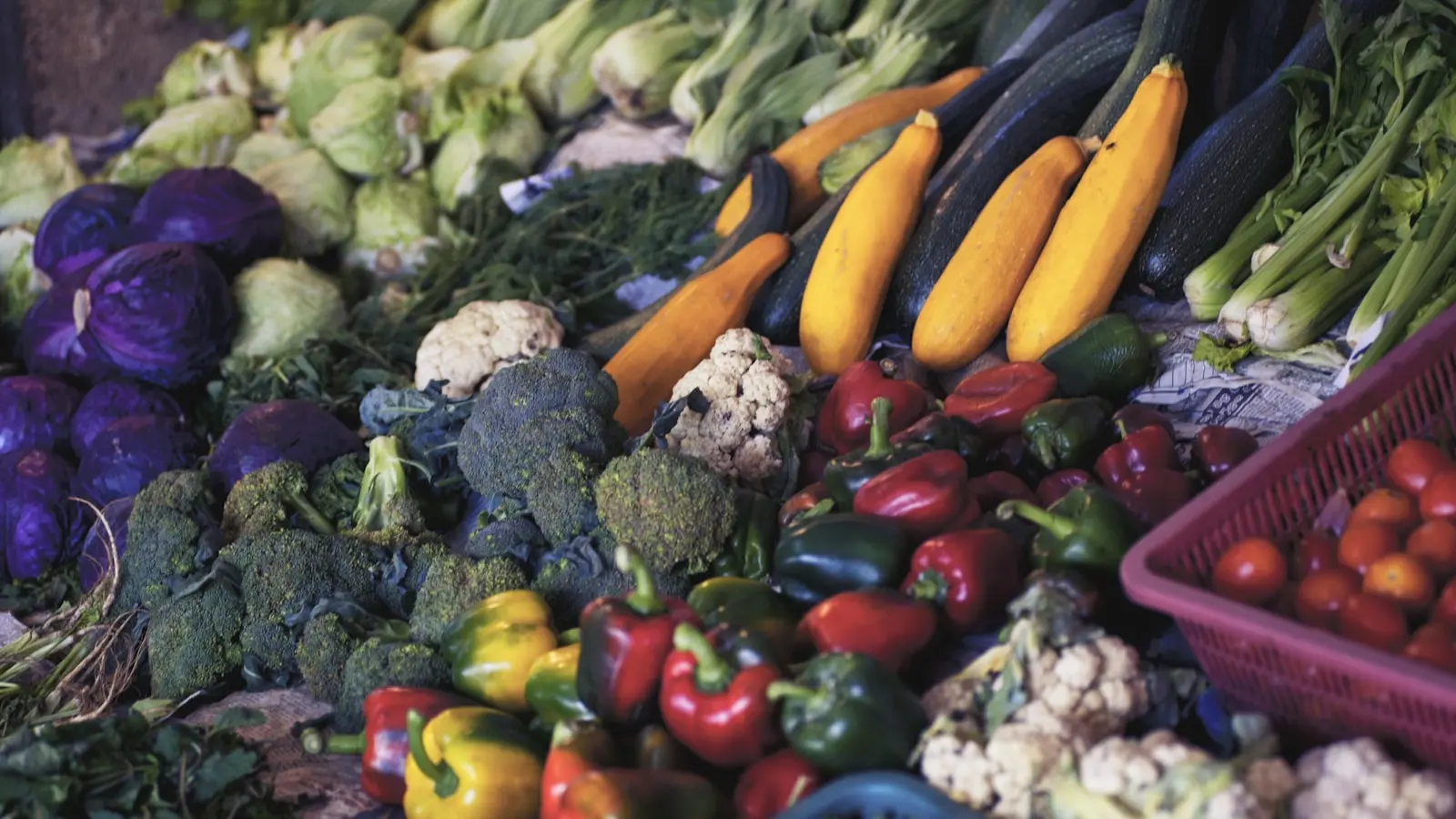
Green vegetables and legumes like wild greens (such as cardoons or broccoli rabe), artichokes, chickpeas, and lentils are rich in fiber, vitamins, and minerals. Dietary fiber helps manage cholesterol and supports healthy digestion.
The combination of these ingredients creates a diet that is naturally low in processed foods and high in plant-based nutrients. The synergy of antioxidants, healthy fats, and fiber is what likely drives the heart health benefits.
What the Research Says: Mediterranean Diet and Cardiovascular Disease
Large-scale clinical trials have examined the Mediterranean diet’s effect on heart health. The PREDIMED study, for example, found that participants following a Mediterranean diet supplemented with extra virgin olive oil or nuts had a lower rate of major cardiovascular events compared to those on a low-fat diet. The Lyon Diet Heart Study similarly observed reduced cardiac events in participants who adopted a Mediterranean-style eating pattern after a heart attack.
While these studies were not specific to Sicily, the Sicilian diet aligns closely with the patterns tested. Observational studies on southern Italian populations suggest that adherence to a traditional Mediterranean diet is associated with lower cardiovascular mortality and reduced incidence of heart disease. The key mechanisms appear to involve improvements in blood pressure, lipid profiles, and inflammation markers.
It is important to note that these findings show association and correlation, not definitive causation. Heart health is influenced by multiple factors including physical activity, weight management, sleep, and genetics. The Sicilian diet is often accompanied by a lifestyle that includes walking, social eating, and a slower pace of meals, all of which contribute to its positive effects.
A Critical Look: Potential Pitfalls in Modern Sicilian Eating
Not all Sicilian food is heart-healthy. Traditional dishes that are deep-fried, such as arancini (rice balls), panelle (chickpea fritters), and some seafood fritti, add significant calories and unhealthy fats when consumed frequently. Large portions of bread, especially in dishes like muffuletta, can increase refined carbohydrate intake. Rich pastries such as cannoli and cassata are high in sugar and saturated fat.
Tourist-oriented menus often emphasize these calorie-dense items, which are quite different from the vegetables, fish, and olive oil that define home-cooked family meals. A traveler eating only restaurant food in tourist areas may get a distorted impression of the diet.
Portion control is also a concern. Even healthy ingredients, when eaten in large quantities, can contribute to weight gain, which is a risk factor for heart disease. The heart benefits of olive oil and nuts, for example, are dose-dependent, but excessive intake can lead to excess calorie consumption.
Outside of Sicily, adapting the diet can lead to over-reliance on bread and pasta while neglecting vegetables and seafood, or using lower-quality oils. The healthiest version of the Sicilian diet is one that emphasizes balance and moderation, not every single traditional dish.
How to Apply Sicilian Diet Principles Wherever You Are
You don’t need to live in Sicily to benefit from its eating patterns. Here are practical steps:
- Use high-quality extra virgin olive oil as your main cooking fat and for dressings. Look for cold-pressed, unfiltered varieties when possible.
- Eat fatty fish at least twice a week. Sardines, anchovies, and mackerel are affordable and widely available. Canned fish in olive oil is a convenient option.
- Build meals around vegetables and legumes. Use fresh or canned tomatoes, capers, olives, and herbs for flavor rather than heavy cream or butter sauces.
- Include nuts and seeds. A handful of pistachios or almonds makes a good snack.
- Limit fried foods to occasional treats. Choose baked, grilled, or sautéed preparations instead.
- Control portions of bread and pasta. Use whole grain versions when possible, and treat them as a side rather than the main event.
- Adopt the Mediterranean lifestyle. Eat meals with others, take time to enjoy food, and incorporate daily physical activity like walking.
By focusing on the core ingredients and avoiding the pitfalls, you can create a heart-healthy eating pattern that draws on the best of Sicilian cuisine.
Frequently Asked Questions
1. Is the Sicilian diet the same as the Mediterranean diet?
No, the Sicilian diet is a regional variant. It uses more olive oil, capers, pistachios, and tomatoes, but also includes more fried items and bread. The traditional home-cooked version aligns closely with heart-healthy Mediterranean principles, while modern tourist adaptations may differ.
2. What specific heart-healthy ingredients are central to Sicilian cooking?
Key ingredients include extra virgin olive oil, sardines, anchovies, tomatoes, capers, pistachios, wild greens, and legumes. These provide monounsaturated fats, omega-3s, fiber, and antioxidants, all linked to cardiovascular benefits.
3. Are there any downsides to the Sicilian diet for heart health?
Yes. Deep-fried snacks and pastries are common in Sicilian cuisine. Overconsumption of bread and pasta can raise calorie and carbohydrate intake. Heart benefits come from the core ingredients and overall lifestyle, not from every individual dish.