Key Takeaways
- Deep vein thrombosis can occur on short flights, especially in passengers with personal risk factors or prolonged immobility.
- Flight duration is just one factor; dehydration, cramped seating, and lack of movement contribute significantly.
- Individual risk factors such as age, obesity, hormonal therapy, and prior clots often matter more than flight length.
- Simple prevention steps like ankle exercises, hydration, and walking the aisle reduce risk on any flight.
- Seek medical attention for unilateral leg swelling, pain, or redness after a flight, regardless of its duration.
What Is Deep Vein Thrombosis and How Does It Form on a Plane?
Deep vein thrombosis (DVT) is the formation of a blood clot in a deep vein, most often in the leg. The process involves three elements known as Virchow’s triad: blood stasis (slow or stagnant flow), hypercoagulability (increased clotting tendency), and vessel wall injury. On a plane, prolonged sitting in a narrow seat compresses the back of the thighs and restricts blood flow in the popliteal vein behind the knee. The calf muscle pump, which normally helps push blood upward toward the heart, becomes inactive when passengers remain seated for extended periods. This venous pooling sets the stage for clot formation, and the risk begins the moment a passenger sits down, not after a certain number of hours.
Why Flight Duration Matters—But Isn’t the Only Factor
The term “economy class syndrome” was coined after reports of DVT on long-haul flights of four hours or more. Research indicates that absolute risk increases with flight duration. However, clinical guidelines recognize that DVT can also occur on flights under four hours, particularly when other risk factors are present. Immobilization is the key trigger; it does not require a transcontinental journey. A two-hour flight with no movement, cramped seating, and dehydration can produce a pro-thrombotic environment, especially for someone already predisposed. Therefore, focusing solely on flight length misses the bigger picture: any period of sustained immobility carries some level of risk.
The Hidden Culprits: Dehydration, Seat Depth, and Legroom
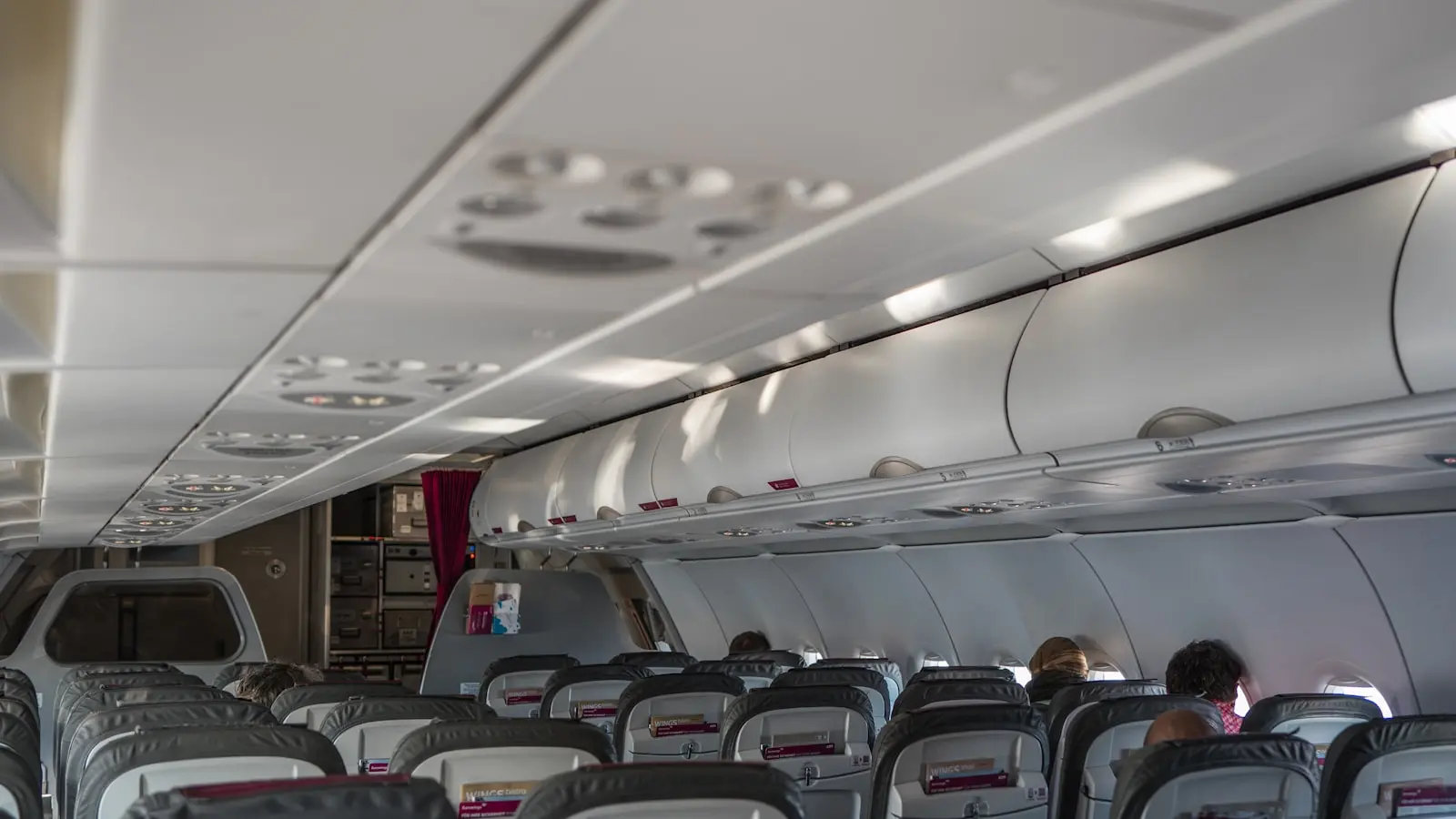
Cabin humidity is typically below 20 percent, which promotes fluid loss through breathing and skin evaporation. Dehydration increases blood viscosity (hemoconcentration), making clots more likely to form. Alcohol and caffeine further contribute to dehydration. At the same time, standard economy seats often have limited legroom, forcing the knees into a bent position that compresses the popliteal vein and impedes venous return. A narrow seat depth can also press on the back of the thighs. Even on a short flight, the combination of low humidity, limited legroom, and lack of movement can create conditions that favor clot formation. Sitting still for two hours in a tight seat is not the same as sitting still for two hours in a living room with the ability to stretch.
Who Is at Higher Risk Even on a Two‑Hour Flight?
Individual risk factors often outweigh flight duration in determining DVT risk. Conditions that increase clotting tendency include age over 40, obesity (BMI >30), pregnancy and the postpartum period, use of estrogen-containing birth control or hormone replacement therapy, active cancer, a personal or family history of DVT, and varicose veins. People with clotting disorders such as Factor V Leiden are also more vulnerable. For a healthy young adult with no additional risk factors, the absolute risk of developing DVT on a short flight is very low. But for someone in a higher-risk category, even a two-hour flight can tip the balance, especially if they remain seated and dehydrated. A personalized risk assessment is more useful than a blanket rule based on flight length.
Practical Prevention for Any Flight Length
Prevention strategies focus on reducing immobilization and maintaining good circulation. In-seat exercises such as ankle pumps (pointing and flexing the feet), calf raises, and knee extensions help activate the calf muscle pump without standing. Staying hydrated by drinking water before and during the flight is important, while limiting alcohol and sedatives that encourage prolonged sitting. Compression stockings with graduated compression (firmest at the ankle, looser higher up) are recommended for moderate- to high-risk individuals; over-the-counter support socks may not provide adequate pressure. On short flights, walking the aisle once or twice, if the seatbelt sign is off, can further reduce stasis. No single measure eliminates risk, but combining these steps lowers the likelihood of clot formation.
When to See a Doctor After a Short Flight
Symptoms of DVT typically present in one leg and include swelling, pain or tenderness, warmth, and redness or discoloration. These signs can develop within hours of the flight or up to several weeks later. Normal travel fatigue, muscle cramping, or minor swelling from prolonged sitting usually resolves quickly with movement. However, if a leg is persistently swollen, painful, or feels heavy, it warrants medical evaluation. Deep vein thrombosis can lead to pulmonary embolism if the clot travels to the lungs, so prompt diagnosis is key. Travelers should not dismiss symptoms simply because the flight was short—if the clinical picture fits, the duration of the flight is not a reliable reason to delay seeking care.
Frequently Asked Questions
Can a two‑hour flight cause a blood clot? Yes, while the absolute risk is low, case reports and small studies document DVT after flights under three hours, particularly in individuals with additional risk factors such as obesity, hormonal therapy, or a history of clots.
Are compression socks necessary on short flights? Not for everyone. They are recommended for passengers with known risk factors or for those who will remain seated without moving for the entire flight. For low-risk individuals, in-seat exercises and hydration are usually sufficient.
How soon after a short flight should I worry about DVT symptoms? Symptoms can appear within hours or up to several days later. If you experience unilateral leg swelling, pain, warmth, or redness that does not improve with walking, consult a healthcare provider regardless of flight length.