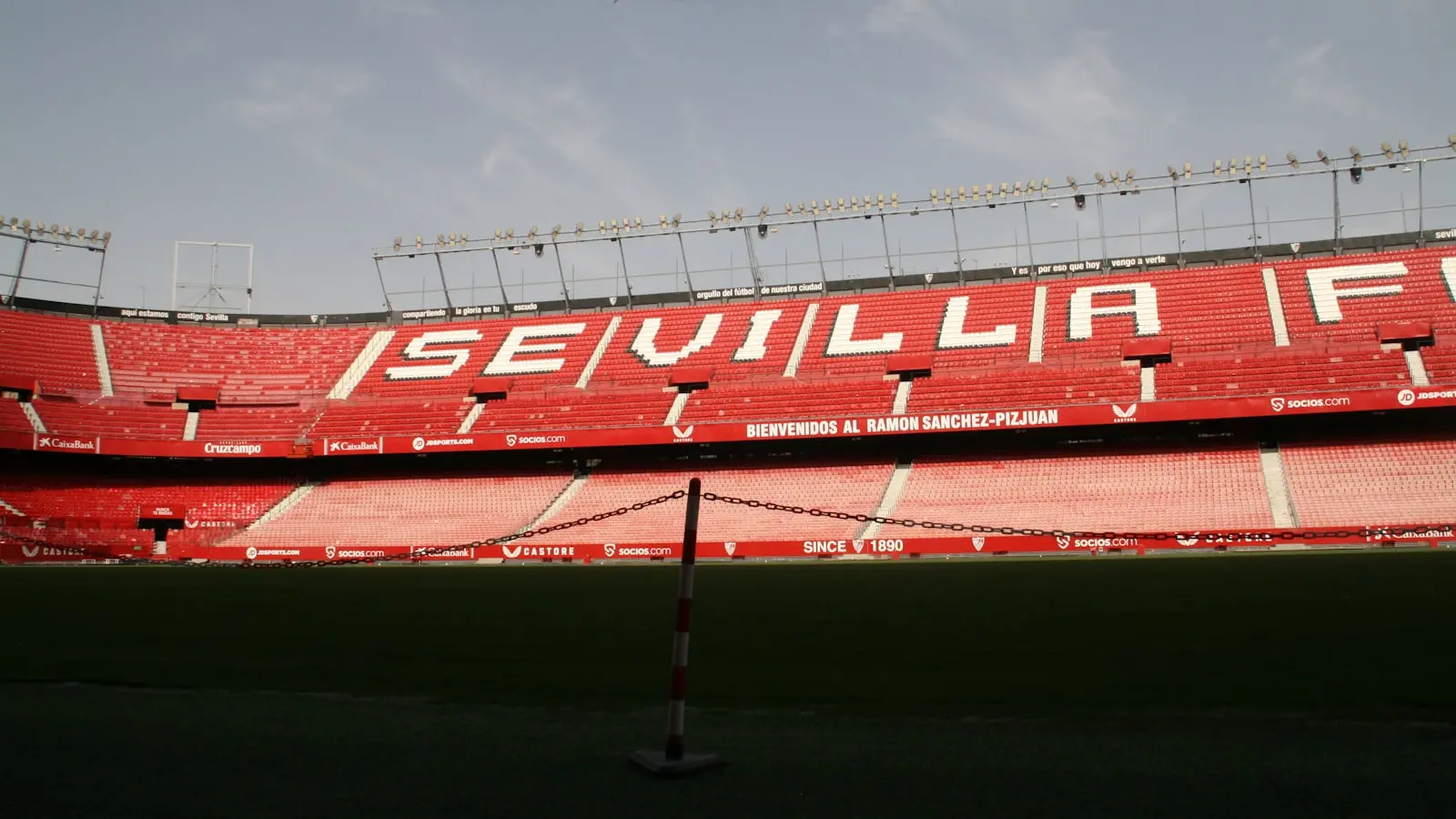
Most sports tourism checklists for Spain start and end with Camp Nou and the Santiago Bernabéu. That focus overlooks Seville, a city where the football atmosphere rivals any in Europe, the river cuts through the city like a natural sports track, and the major events remain refreshingly affordable. If you want authentic high-intensity sport without the tourist markup, Seville is the smarter choice.
Key Takeaways
- Seville’s football derby between Sevilla FC and Real Betis is among Spain’s most passionate, with a raw, local atmosphere that contrasts with the polished experience in Barcelona and Madrid.
- The Guadalquivir River offers rare urban water sports — kayaking and stand-up paddleboarding — not available in other major Spanish tourist cities.
- Flat, well-maintained paths along the river make Seville an ideal year-round destination for runners and cyclists of all levels.
- Major events like the Zurich Seville Marathon and Seville Triathlon provide high-quality competition at lower costs and with smaller crowds than similar events in larger cities.
The Electric Football Culture: Sevilla FC vs Real Betis
The Seville derby between Sevilla FC and Real Betis is consistently rated among the most passionate rivalries in Spain. The intensity stems from deep-rooted local identity, not commercial packaging. Sevilla FC, founded in 1890, has a historic edge in head-to-head results and a remarkable recent record in the UEFA Europa League. Real Betis, founded in 1905, commands fierce loyalty from its working-class base. When they meet at either the Ramón Sánchez-Pizjuán or the Benito Villamarín, the noise and tension are visceral.
What differentiates a matchday in Seville from one in Barcelona or Madrid is the absence of a staged, tourist-friendly atmosphere. You will hear authentic chanting, see local families, and feel the game as a civic event, not a spectacle. Ticket prices, even for derbies, are generally lower than for Clásicos, though derby tickets are extremely limited and often sell out weeks in advance. Planning ahead pays off. Many casual visitors who attend a Real Betis match leave surprised by the raw emotional pull, a contrast to the more polished experience in larger cities.
Unique Water Sports on the Guadalquivir River
Seville offers water-based activities that are simply not available in other major Spanish tourist hubs. The Guadalquivir River runs through the heart of the city and has earned Seville a reputation as a European capital of rowing. Kayaking and stand-up paddleboarding are the most accessible ways to get on the water. Rental operators are concentrated near the city center, typically catering to beginners and families.
Paddling past the Torre del Oro and under the historic bridges provides a perspective of Seville that no walking tour can match. The river is calm for most of the year, making it suitable even for first-timers. Sunset tours are particularly popular. The best season runs from spring through early autumn, though the mild Andalusian winter also allows for afternoon sessions. This is a rare chance to combine active sport with cultural sightseeing without leaving the city core.
Running and Cycling Through Seville’s Scenic Routes
Seville’s flat topography and near-constant sunshine make it an underrated destination for runners and cyclists. A network of dedicated paths follows the Guadalquivir, stretching for several kilometers on both banks. These routes are free of car traffic, well-maintained, and lit in the evenings. The city’s climate permits outdoor training in every month, a significant advantage over northern European cities.
For visitors who want company, the Sevilla Running Club organizes group runs that welcome travelers. Those who prefer to cycle can rent bikes and follow the river loop that connects the Alamillo Park to the Triana neighborhood. The route passes key landmarks, making it easy to combine a workout with exploration. The flat terrain also means Seville is a popular base for amateur triathletes preparing for races elsewhere.
Major Annual Sporting Events: Marathon, Triathlon, and Tennis
The Zurich Seville Marathon is the centrepiece of the city’s event calendar. It typically takes place in February, drawing roughly 14,000 participants the flat, fast course makes it a frequent choice for marathon debutants and those chasing personal bests. The race weaves through historic streets and finishes near the Plaza de España, a setting that rivals any in Europe.
Later in the year, the Seville Triathlon offers Olympic and sprint distances, plus shorter events for children and beginners. It is designed as a community celebration, so even non-participants can enjoy the atmosphere along the Guadalquivir. An ATP tennis tournament has been held in the city in the past, though its status changes year to year; it is best to check the current calendar before booking. Golfers have half a dozen courses within a short drive, including Real Club de Golf Sevilla, which has hosted professional events. The Estadio Olímpico de La Cartuja also periodically hosts international football matches and concerts, adding to the city’s event capacity.
How Seville’s Sports Scene Compares to Barcelona and Madrid
Barcelona and Madrid dominate the sports tourism conversation largely because of two super-clubs and their global brands. But that dominance comes with downsides: high ticket prices, crowded matchday zones, and a commercialized feel. Seville offers the same top-tier football passion at lower cost and with smaller crowds. The Seville derby is just as intense as any Barcelona-Madrid fixture, yet tickets are easier to obtain outside of derby weeks and cost significantly less.
Beyond football, Seville fills a gap that Barcelona and Madrid largely ignore: accessible water sports and year-round outdoor running and cycling. The Guadalquivir provides a natural training corridor that neither coastal Barcelona nor inland Madrid can match within city limits. Because Seville is smaller, you can attend a match, kayak on the river, and visit the Alcázar or the Cathedral all in the same day without long commutes. That convenience makes Seville an efficient and enriching base for sports-minded travelers who also appreciate culture and food.
The trade-off is that Seville lacks the sheer volume of elite professional clubs. You will not find two Champions League contenders in the same metropolitan area. But for the traveler who values authenticity, affordability, and diversity of activity, Seville surfaces as the hidden gem that most sports tourism guides overlook.
FAQ
How difficult is it to get tickets for a Seville derby? Tickets are extremely limited and often sell out weeks ahead of the match. Prices for derby games are higher than for standard league matches, but still generally lower than for Clásicos in Barcelona or Madrid. Buying directly from the club websites or official ticket portals is the only reliable method; reseller prices fluctuate sharply.
What are the best water sports to try on the Guadalquivir River? Kayaking and stand-up paddleboarding are the most popular and widely available. Some operators offer guided sunset tours that combine a paddle with views of the illuminated landmarks. Rental prices are typically affordable, but check current rates on operator websites before your trip.
What time of year is the Seville Marathon held, and is it suitable for beginners? The Zurich Seville Marathon usually takes place in February. The course is flat and fast, which makes it a good option for first-time marathoners. Always verify the exact date on the official event website, as it can shift from year to year.