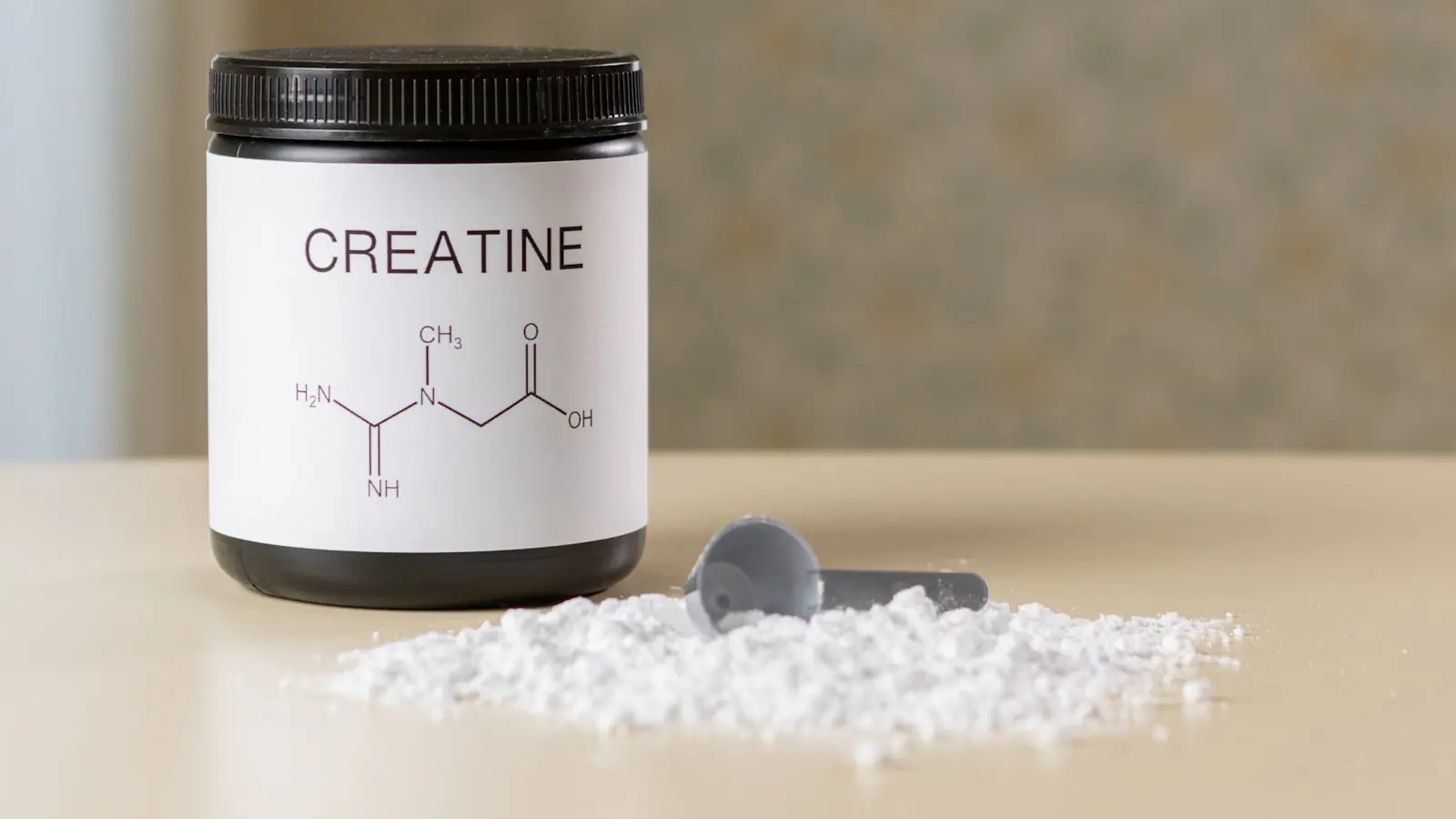
When starting creatine, the safest approach for a beginner is a consistent daily dose of 3–5 grams of creatine monohydrate. You may choose an optional loading phase, but it is not required. Despite common fears, creatine does not harm kidneys in healthy individuals when taken at recommended doses.
Key Takeaways
- Take 3–5 grams of creatine monohydrate daily for a safe and effective starting protocol.
- A loading phase is optional; skipping it works just as well once muscles are saturated.
- Creatine does not harm healthy kidneys, and there is no need to cycle the supplement.
- Stay well hydrated and choose a brand with third-party testing for quality assurance.
What Is Creatine and How Does It Support Your Workouts?
Creatine is a naturally occurring compound your body produces and also obtains from foods like red meat and fish. Inside your muscles, it helps regenerate adenosine triphosphate (ATP), the primary energy currency for short, explosive movements such as sprinting or heavy lifting. By increasing your muscle’s creatine stores through supplementation, you can improve strength, power output, and recovery between sets. Extensive research has established creatine as one of the most effective and safe supplements available for healthy individuals.
Dosage Guidelines: Loading Phase vs. Steady Daily Intake
The Loading Phase (Optional)
If you want faster results, a loading phase involves taking 20 grams per day for 5–7 days, split into four 5-gram doses. This rapidly saturates your muscles, and some people notice performance improvements within the first week. However, splitting the dose is important because larger single servings can cause mild digestive upset in some users. Once the loading week is complete, you drop to a maintenance dose of 3–5 grams daily.
The Steady Daily Approach (No Loading)
Many beginners prefer skipping the loading phase entirely. Simply take 3–5 grams every day without any high-dose period. This method takes about 3–4 weeks to fully saturate your muscles, but it avoids any initial digestive issues and is far simpler to follow. The steady approach is just as effective in the long run.
Key Recommendation
Both methods work. Choose based on your preference for convenience versus speed. After the initial period, the maintenance dose remains 3–5 grams daily regardless of whether you loaded. There is no need to cycle creatine; you can take it continuously for months or years without losing effectiveness.
Addressing Safety Concerns: Kidneys, Hydration, and Side Effects
Does Creatine Damage Kidneys?
This is the most common worry among beginners. Current research consistently shows that creatine supplementation at recommended doses does not harm kidney function in healthy individuals. The confusion often comes from the fact that creatine naturally raises serum creatinine levels, a marker sometimes used to assess kidney health. This rise is not a sign of damage, but simply a reflection of the supplement. If you have pre‑existing kidney disease or impaired function, consult your doctor before starting. For everyone else, creatine is considered safe.
Hydration and Water Intake
Creatine draws water into your muscle cells, which can slightly increase your body water content. This does not cause dehydration as long as you drink enough fluids. A general target of 8–10 cups of water per day is adequate, with more needed during exercise. The idea that creatine leads to cramping or overheating has not been supported by controlled studies.
Common Side Effects and How to Manage
Some beginners experience minor digestive discomfort—such as bloating, gas, or loose stools—especially during a loading phase or with low‑quality powders. These effects usually resolve within a few days. Splitting your daily dose or switching to a micronized creatine monohydrate (which dissolves more easily) can help. Another benign side effect is a temporary weight gain of 1–3 pounds due to extra water inside your muscles. This is normal and not a cause for concern. If side effects persist, reduce your dose or try a different form, such as creatine hydrochloride (HCl), though monohydrate remains the first choice for most.
Choosing the Right Type and Brand of Creatine
Why Creatine Monohydrate Is the Gold Standard
Creatine monohydrate is the most studied, most effective, and most affordable form. It has been used safely for decades and is backed by extensive clinical research. For beginners, it is the clear first recommendation. Micronized monohydrate is simply regular monohydrate ground into finer particles, which makes it mix more easily in water and may be gentler on the stomach.
Other Forms: Creatine HCl, Ethyl Ester, etc.
Other types like creatine HCl, ethyl ester, or buffered creatine are marketed as having better absorption or fewer side effects. However, the evidence does not show they outperform monohydrate for most people. They are also significantly more expensive. The exception: if you have a sensitive stomach and monohydrate consistently causes discomfort, creatine HCl may be worth trying. Otherwise, stick with monohydrate.
What to Look for in a Brand
Choose supplements that carry third‑party testing seals such as USP, NSF, or Informed‑Sport. These verify that the product contains what it claims and is free from contaminants. Avoid products with long ingredient lists or proprietary blends—pure creatine monohydrate should be the only active ingredient. Transparent labeling and a reputable manufacturer matter more than flashy marketing.
Who Should Avoid or Be Cautious with Creatine?
Creatine is safe for the vast majority of people, but certain groups should exercise caution. Individuals with diagnosed kidney disease or reduced kidney function should avoid creatine unless cleared by a healthcare provider. People taking medications that affect the kidneys, such as high‑dose NSAIDs or certain diuretics, should also consult a doctor first. Pregnant or breastfeeding women should not take creatine due to insufficient safety data. If you have a history of digestive issues like irritable bowel syndrome, you may want to start with a low dose (2–3 grams) and gradually increase. As with any supplement, talking to your doctor is a wise first step if you have an underlying condition.
Frequently Asked Questions
Is it necessary to do a loading phase when starting creatine?
No, a loading phase is optional. A consistent daily dose of 3–5 grams is effective and often recommended for beginners to minimize potential side effects.
Can I take creatine with other supplements like protein powder or pre-workout?
Yes, creatine can be safely combined with protein, carbohydrates, and most pre‑workouts. In fact, taking it with carbs or protein may enhance absorption.
How long does it take to see results from creatine?
With loading, some notice performance improvements within the first week. With steady daily dosing, effects typically appear after 3–4 weeks once muscle stores are saturated.