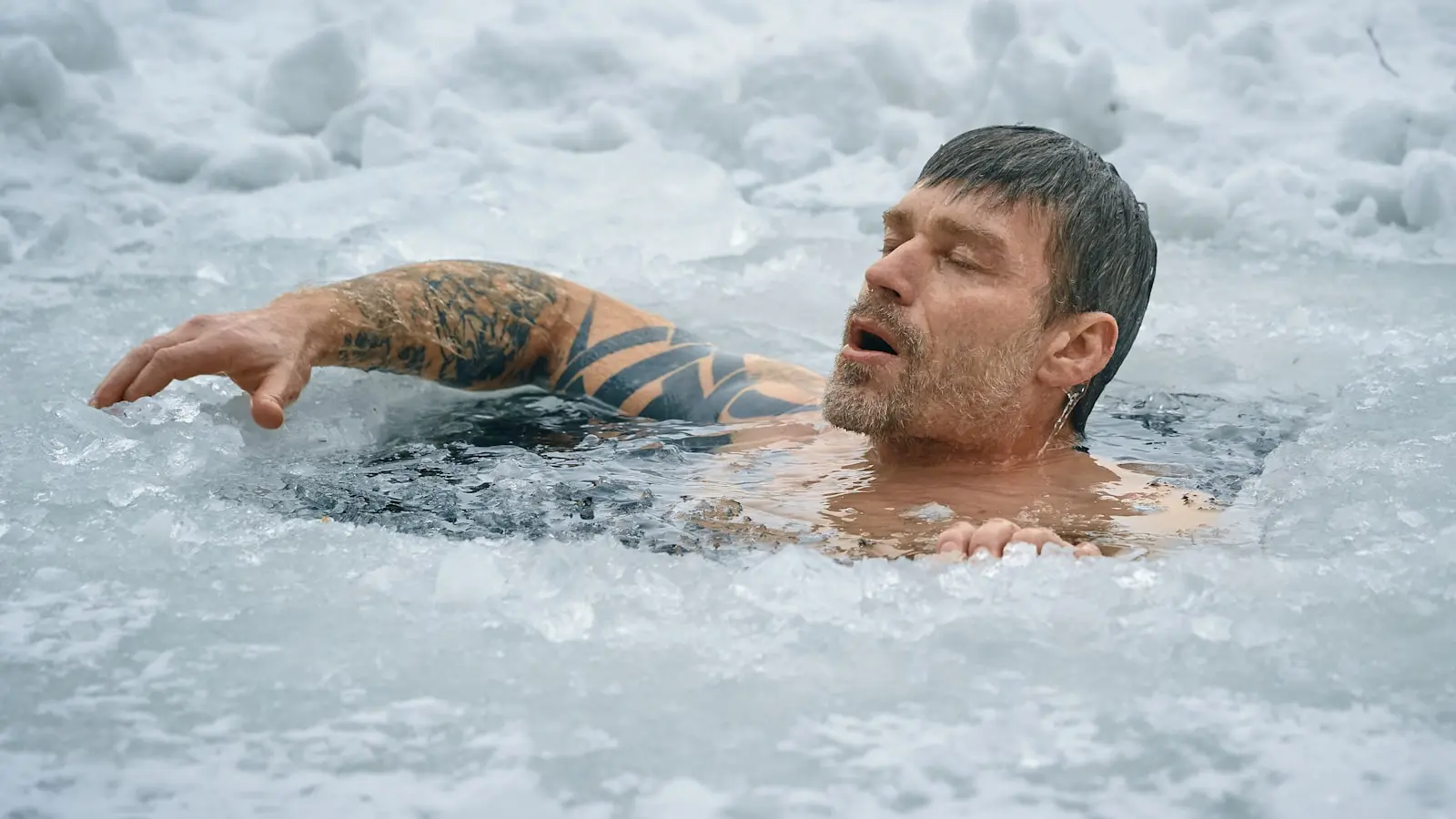
Cold water immersion, often called an ice bath or cold plunge, triggers rapid constriction of blood vessels near the skin and in muscles. This vasoconstriction reduces blood flow, limiting swelling and the accumulation of inflammatory markers like cytokines. The cooling effect also numbs nerve endings, providing immediate pain relief after intense exercise. Many athletes feel less sore in the hours and days following a hard workout, especially when delayed onset muscle soreness (DOMS) typically peaks.
Key Takeaways
- Cold water immersion effectively reduces acute muscle soreness and perceived fatigue, making it useful for between-event recovery or high-volume training blocks.
- The reduction in inflammation may interfere with the signaling needed for muscle protein synthesis, potentially blunting long-term strength and hypertrophy gains in resistance training.
- Optimal protocols typically use water at 10–15°C for 10–15 minutes, but individual tolerance and training goals should guide timing and frequency.
- Cold therapy is most beneficial for endurance athletes or during competition periods; it may be counterproductive during heavy hypertrophy-focused mesocycles.
- No single recovery method is superior: active recovery, foam rolling, and contrast therapy offer different advantages and are often combined.
How Cold Water Immersion Works: Vasoconstriction, Inflammation, and the Acute Response
The immediate physiological response to cold water is vasoconstriction, which reduces blood flow to muscles and skin. This limits edema and slows the release of pro-inflammatory cytokines, lowering perceived pain. The numbing effect on nerve endings further contributes to short-term relief. However, this suppression of inflammation is a two-edged sword: while it reduces soreness, it may also dampen the natural repair and adaptation processes that depend on an initial inflammatory cascade.
The Evidence for Recovery: What the Research Says About Soreness and Fatigue
Systematic reviews and meta-analyses consistently report that cold water immersion reduces perceived muscle soreness and fatigue after exercise. Athletes using cold plunges often feel more ready for their next session, especially when training or competing on consecutive days. Research generally supports temperatures between 10°C and 15°C (50–59°F) and durations of 10 to 15 minutes for these acute benefits.
Most studies, however, examine only short-term outcomes—soreness ratings, range of motion, and subjective recovery—rather than chronic changes in muscle size or strength. This limitation means the evidence is stronger for immediate comfort than for long-term performance enhancement. Feeling better does not automatically mean muscles are adapting optimally.
The Trade-Off: Can Ice Baths Blunt Long-Term Strength and Muscle Gains?
The primary concern with regular cold water immersion after resistance training is that it may blunt the inflammatory response needed for muscle protein synthesis and hypertrophy. Inflammation signals satellite cells to activate and repair damaged fibers, driving growth over time. By attenuating that signal, cold therapy could reduce the magnitude of adaptation.
Some studies have observed smaller gains in muscle thickness and strength in groups using cold water immersion immediately after resistance training compared to passive recovery. Other research finds no significant difference, and the effect appears to depend on factors such as training status and the timing of immersion. The evidence is not definitive, which is why many sports scientists advise caution for athletes whose primary goal is maximizing muscle size or strength.
When Cold Therapy Helps Most: Practical Guidelines for Athletes
For athletes needing rapid return to performance—during tournaments, multi-day competitions, or high-volume endurance blocks—cold water immersion can be a strategic tool. A typical protocol involves submerging the body (up to the neck) in water at 10–15°C for 10–15 minutes. Starting with shorter durations and gradually increasing helps with tolerance.
Cold therapy is also the gold standard for rapidly cooling the body in heat illness, and it may offer mental resilience benefits through the release of norepinephrine and endorphins. During heavy resistance training phases focused on hypertrophy, many experts recommend avoiding cold immersion within the first few hours after a workout to preserve the full inflammatory signal. If used, delay the plunge until later in the day.
Cold Plunges vs. Other Recovery Methods: Active Recovery, Foam Rolling, and Contrast Therapy
Cold water immersion is one of many recovery strategies. Active recovery—light movement such as walking or cycling—increases blood flow without fully suppressing inflammation and may support metabolic clearance. Foam rolling and massage address muscle tension through mechanical pressure but do not provide systemic cooling.
Contrast therapy, alternating between hot and cold water, aims to combine vasodilation and vasoconstriction to promote circulation. Some research suggests it may be as effective as cold immersion alone for reducing soreness, with less potential to blunt adaptation. No single method is universally superior; athletes often combine approaches based on sport demands and individual response.
Individual Variability and Sport-Specific Considerations
Response to cold water immersion varies widely. Endurance athletes—runners, cyclists, swimmers—often benefit more from immediate recovery because their training emphasizes repeated high-volume sessions rather than maximal force production. In contrast, strength and power athletes (weightlifters, sprinters) may experience greater interference with adaptation, making selective use more important.
Training status also matters: well-trained athletes may respond differently than beginners. Genetic factors, baseline inflammation levels, and personal cold tolerance all influence outcomes. Psychological factors are worth noting—some athletes feel mentally sharper after a cold plunge, while others find it stressful. The most practical approach is to experiment with timing and frequency, observe how your body responds, and align the method with your primary training goal.
FAQ
Does cold water immersion help with DOMS? Research suggests cold water immersion can reduce delayed onset muscle soreness 24–72 hours after exercise, likely due to vasoconstriction and reduced inflammation. The effect is most noticeable when used soon after the workout.
Can ice baths slow down muscle growth? Some studies indicate that regular post-resistance training cold water immersion may blunt hypertrophy and strength adaptations by suppressing the inflammatory signaling needed for muscle repair. However, the effect varies and is not universally observed, so it is not a settled rule.
What is the optimal temperature and duration for a cold plunge? Commonly recommended parameters are water temperatures between 10°C and 15°C (50–59°F) for 10–15 minutes. Individual tolerance and specific goals should guide adjustments. Starting with shorter exposures helps the body adapt.