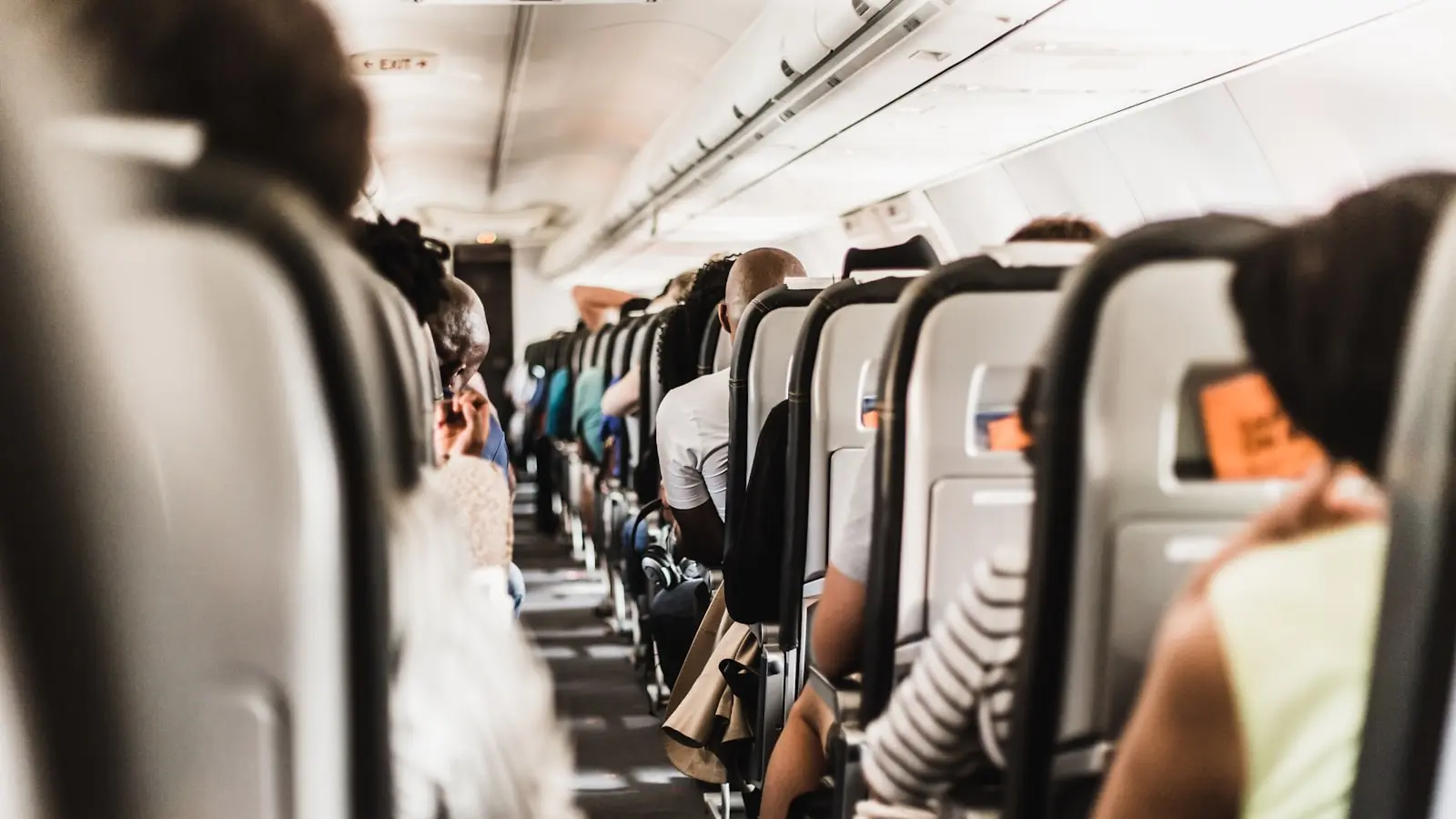
Jet lag strikes when your internal clock is still living in your departure city while your body has landed somewhere else. Resetting that clock quickly comes down to giving your brain the right cues at the right times. The most powerful tools are timed light exposure, careful melatonin use, and a pre-trip schedule shift. Here is a practical, evidence-based plan to realign your circadian rhythm and minimize travel fatigue.
Key Takeaways
- Shift your sleep schedule by 30–60 minutes daily, starting 3–4 days before departure.
- Use bright morning light after eastbound flights; seek bright afternoon/evening light after westbound flights.
- Take melatonin only at your target bedtime in the new time zone, in low doses (0.5–3 mg), after consulting a doctor.
- Stay hydrated, eat meals aligned with local time, and keep naps under 20 minutes if needed.
- Get outdoor exercise during daylight hours to help anchor the new circadian phase.
Why Your Internal Clock Goes Haywire After a Long-Haul Flight
Your body’s master clock sits in the suprachiasmatic nucleus (SCN) of the brain, a cluster of about 20,000 neurons that respond primarily to light. This clock runs on a roughly 24-hour cycle and controls when you feel sleepy, hungry, or alert. Normally, sunlight keeps it synchronized with the day-night cycle of your location.
When you cross three or more time zones in a few hours, your SCN cannot adjust fast enough. It can only shift by about one hour per day on average. The mismatch between your internal time and the local time produces the grogginess, poor sleep, and brain fog we call jet lag.
Direction matters. Traveling east requires you to fall asleep and wake up earlier than usual—a phase advance. This is harder for most people because the human circadian clock naturally runs slightly longer than 24 hours, making it easier to stay up later (phase delay) than to go to bed earlier. That is why eastbound flights tend to cause more severe symptoms. Understanding this mechanism helps you choose the right timing for each intervention.
Pre-Trip: Shift Your Sleep Schedule Gradually Before You Fly
Start preparing three to four days before departure. Each day, move your bedtime and wake time by 30 to 60 minutes toward your destination’s schedule. If you are flying east (e.g., New York to London), go to bed and wake up earlier each day. If you are flying west (e.g., Los Angeles to Tokyo), do the opposite by staying up later and sleeping in.
Pair these schedule shifts with front-loaded light exposure. When trying to phase advance (eastward travel), seek bright light soon after waking—natural sunlight is ideal. This tells your brain that morning has arrived earlier. When trying to phase delay (westward), expose yourself to bright light in the late afternoon or early evening to push your bedtime later.
Avoid caffeine and alcohol in the evenings during these pre-trip days. Both can interfere with sleep quality and make it harder to adopt the new schedule. Use an alarm or a sleep app to stay consistent. Even small shifts add up and reduce the gap your clock has to close upon arrival.
During the Flight: Smart Eating, Hydration, and Light Management
Your in-flight habits can either prepare your body for the new time zone or make jet lag worse. The goal is to align your behavior with the destination’s day-night cycle as much as possible.
Hydration is key. Drink plenty of water and avoid alcohol, which dehydrates and disrupts sleep quality. Caffeine is okay in small amounts early in the flight if you need to stay awake, but stop consuming it several hours before your planned sleep period.
Eat light meals that match the timing of meals at your destination. If it will be breakfast time when you land, skip the heavy dinner on the plane. Your digestive system also follows circadian cues, so eating at the right local time helps signal your internal clock.
Manage cabin light strategically. If you need to sleep during the flight to match the destination’s night, use an eye mask and noise-canceling headphones. Conversely, if you arrive in the late afternoon and need to stay awake, keep your cabin light on or open the window shade during the latter part of the flight. Light entering your eyes is the primary driver of circadian reset—even the dim cabin lights can have an effect.
Post-Arrival: Use Timed Bright Light Exposure to Anchor Your New Rhythm
Once you land, light is your most powerful tool. The direction you traveled determines when to seek or avoid bright light.
After eastward travel: You need to advance your clock—make your body think it is earlier than it feels. Get at least 30 to 60 minutes of bright outdoor light within the first two to three hours after waking at your new local time. Morning light is the strongest signal to shift your clock forward. In the evening, wear blue-blocking glasses or dim indoor lights to avoid tricking your brain into thinking it is still daytime.
After westward travel: You need to delay your clock. Seek bright light in the late afternoon and early evening to push your bedtime later. This helps you stay awake until a reasonable local hour. Avoid bright light in the first few hours after waking if possible—morning light will delay your clock further, which is the opposite of what you want when traveling west.
If natural sunlight is unavailable (e.g., in a hotel room or cloudy weather), a light therapy box that emits 10,000 lux can substitute. Position it at eye level for 30 minutes at the appropriate time of day. Avoid looking directly at the light source.
Screens from phones, tablets, and laptops also emit blue light. Turn them off at least one to two hours before your intended bedtime to prevent unintentional clock delay or advance.
Melatonin: When and How Much to Take for Jet Lag
Melatonin is a hormone your brain produces naturally in response to darkness. Taking a supplement can help signal to your body that it is time to sleep, but only if you take it at the correct time. Timing is everything.
For eastward travel: Take a low dose of melatonin at your target bedtime in the new time zone. Typical recommendations from sleep experts suggest 0.5 to 3 milligrams, taken about 30 minutes before you plan to fall asleep. A lower dose is often sufficient and reduces the risk of grogginess the next day.
For westward travel: Melatonin is less critical because phase delaying is easier for most people. If you do use it, take it at bedtime in the new time zone, but be aware that taking it too early can interfere with the natural delay you are trying to achieve. Some travelers find it helpful to take a small dose on the day of travel or the first night after arrival.
Avoid high doses (5 milligrams or more) unless specifically advised by a doctor. Higher doses can cause morning drowsiness, vivid dreams, or headaches. Also, be aware that melatonin is not regulated as strictly as prescription medications; product quality and actual dosage can vary.
Important caveat: Melatonin should not be used by children, pregnant women, or people with autoimmune conditions without consulting a healthcare provider. For frequent travelers, occasional use is generally considered safe, but long-term nightly use lacks strong safety data. Always talk to your doctor before starting any supplement.
Daytime Strategies: Exercise, Outdoor Time, and Avoiding Napping Mistakes
Once the sun is up, your daytime behavior can reinforce the new circadian rhythm or sabotage it.
Moderate physical activity—such as walking, jogging, or cycling—performed outdoors in natural light helps anchor the new schedule. Exercise itself influences the circadian clock, and combining it with light exposure doubles the benefit. Aim for at least 20 minutes of activity in the morning if you traveled east, or in the late afternoon if you traveled west.
Napping can be tempting but needs careful management. A short power nap of 20 minutes or less early in the day may help you recharge without undermining the next night’s sleep. However, long naps (over 30 minutes) or naps taken after 3 p.m. local time can reduce your sleep drive and make it harder to fall asleep at the correct bedtime. The safest rule is to avoid napping altogether if you can power through, but if you must nap, keep it brief and early.
Stick to local meal times. Eating at the appropriate hours—breakfast, lunch, and dinner—provides additional timing cues for your peripheral body clocks (e.g., liver, pancreas). Avoid heavy or spicy meals close to bedtime, as they can interfere with sleep quality.
Finally, get out and explore your destination on foot. Walking in daylight, experiencing the local rhythm, and staying engaged will naturally help your brain accept the new schedule. Sitting in a dark hotel room will only prolong the adjustment.
Frequently Asked Questions
How long does it take to reset your body clock after jet lag? As a general rule, the body adapts at a rate of about one day per time zone crossed. For example, crossing six time zones may take roughly six days to fully adjust. However, individual factors such as age, travel direction, and pre-trip preparation can speed up or slow down this process. Eastward travel typically takes longer than westward travel.
Can light therapy really help with jet lag? Yes. Light exposure is the strongest external cue for shifting circadian rhythms. Timed exposure to bright light—especially natural sunlight—can advance or delay your internal clock by up to two hours per day in some cases. Light therapy boxes can be a useful backup when natural light is limited.
Is it safe to take melatonin for jet lag every time I travel? Occasional use at appropriate doses (0.5–3 mg) is generally considered safe for most healthy adults. However, there is limited research on long-term daily use, and melatonin can interact with certain medications or health conditions. It is best to consult a physician before starting regular melatonin, especially for children, pregnant individuals, or people with autoimmune disorders.