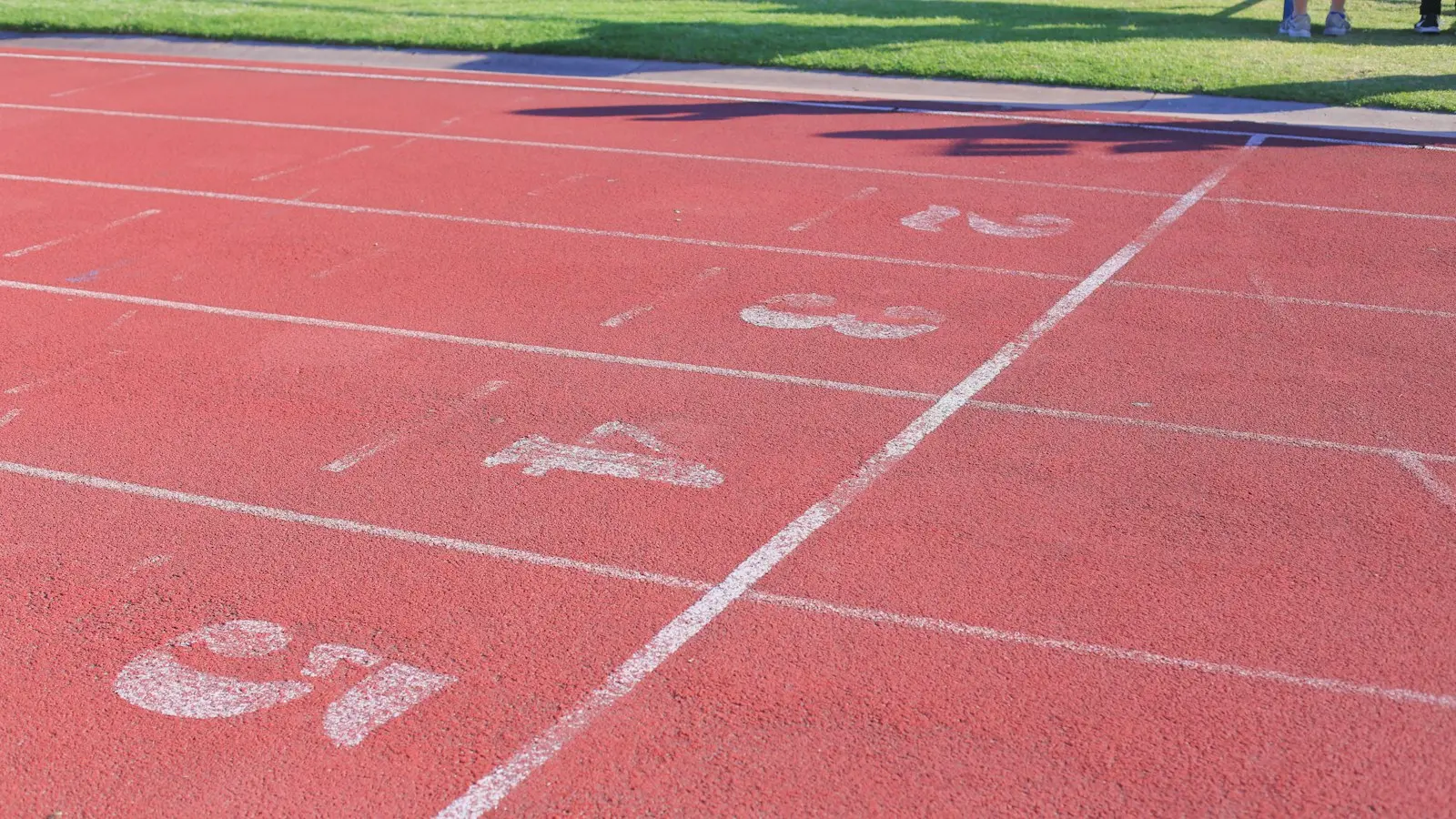
An all-out sprint calls for more than simply stopping at the finish. To recover after sprinting safely, ease down with a walk or very easy jog, assess how you feel, replace fluids and food according to your needs, and give your body time to rest. Gentle mobility may improve comfort, but no cooldown, stretch, drink, or recovery device can guarantee that soreness or injury will be prevented.
If you feel faint, confused, unusually weak, have chest pain, severe breathing difficulty, or develop severe muscle pain or dark urine, stop exercising and seek urgent medical assessment.
Key Takeaways
- Transition gradually from sprinting to walking or very easy jogging, but stop if you feel unwell.
- Hydrate according to thirst, sweat loss, weather, and session length rather than following a universal water target.
- Eat a normal meal or snack containing carbohydrate and protein when appropriate, and prioritize sleep and rest.
- Gentle mobility or stretching may improve comfort but does not guarantee faster healing or prevent soreness.
- Delay sprinting if you have pain, swelling, bruising, weakness, limping, or worsening symptoms; seek urgent care for serious warning signs.
1. Understand What an All-Out Sprint Demands
Maximum acceleration creates a different stress from ordinary jogging. In a few seconds, the hamstrings, quadriceps, calves, hip flexors, gluteal muscles, Achilles tendon, and other connective tissues must produce and absorb force rapidly. The faster the acceleration and the less familiar the movement, the less time the body has to adjust to changes in stride, balance, or surface.
An all-out effort also raises breathing and heart rate quickly. Coordination and reaction speed matter, especially when sprinting during a sport, on an uneven surface, or while changing direction. Even a brief effort can leave the nervous system and muscles temporarily fatigued.
Recovery needs vary with training status, age, body size, heat and humidity, footwear, surface, sprint distance, previous injuries, and whether the sprint was unexpected or repeated. A dramatic match-winning run may be impressive, but it is not a universal fitness prescription. The useful lesson is how to manage high-intensity effort, not how to imitate an elite performance without preparation.
2. Use a Gradual Five-Minute Cooldown
A practical cooldown after one hard sprint is to reduce the effort in stages:
- Move from sprinting to walking or a very easy jog.
- Continue for about five minutes if you feel steady and comfortable.
- Let your breathing begin to settle without forcing it.
- Stop sooner if you develop dizziness, chest discomfort, severe breathlessness, unusual weakness, or loss of coordination.
Five minutes is a flexible example, not a medically required duration. Someone who has sprinted repeatedly, exercised in the heat, or is untrained may need a longer, gentler transition. Someone who feels unwell should not keep moving simply to complete a cooldown.
Walking is usually the simplest choice after an all-out effort because it reduces the workload while preserving gentle movement. An easy jog may be reasonable for a well-conditioned person who is breathing comfortably and has no pain, but it should not become another training interval. The goal is to lower effort, not to continue training.
For beginners and older adults, walking is often the safer default. People returning after an injury should follow their clinician’s or rehabilitation professional’s plan rather than use a standard cooldown. In hot conditions, move to a cooler place, loosen unnecessary layers, and pay attention to symptoms rather than relying on a routine.
A cooldown may make the transition from intense exercise to rest feel more comfortable. It should not be presented as a guaranteed way to prevent injury, fainting, or delayed-onset muscle soreness. Those outcomes depend on many factors, including preparation, intensity, heat, hydration, and underlying health.
3. Replace Fluids and Fuel Without Overcomplicating It
Hydration after exercise should reflect how much you sweated, how long you exercised, the weather, and your individual needs. After a single short sprint in mild conditions, drinking according to thirst and having normal fluids with a meal may be sufficient for many people. A longer session, repeated sprints, hot weather, or heavy sweating may require more deliberate replacement.
There is no safe universal water target for every athlete. Drinking far beyond thirst can also be harmful, particularly during prolonged activity, because excessive fluid intake can dilute the body’s sodium concentration. If you have a kidney, heart, or other medical condition, or take medication that affects fluid balance, ask a qualified clinician for individualized advice.
Electrolytes may be useful when sweating is prolonged or substantial, especially in heat, but they are not automatically necessary after every brief sprint. A sports drink or electrolyte product is an option, not a requirement. Do not treat a supplement label or fixed serving size as a personal prescription.
Food can be straightforward. If you are hungry after explosive running, choose a normal snack or meal that combines carbohydrate and protein. Examples include fruit with yogurt, a sandwich with a protein filling, milk with cereal, beans and rice, or a regular meal containing grains, potatoes, pasta, or other carbohydrate foods alongside protein.
Carbohydrate helps replace energy used during exercise, while protein supplies building blocks for muscle repair and adaptation. A strict minute-by-minute feeding window is not essential for everyone after one sprint. Nutrition requires more planning when training sessions are long, frequent, or close together.
Sleep and rest remain foundational. Rather than depending on an exact sleep number or a promised hormonal effect, aim for enough consistent sleep that your energy, mood, coordination, and performance are returning to normal. The next day’s activity should be guided by symptoms and readiness, not by a desire to prove that the previous effort was harmless.
4. Manage Soreness, Stretching, and Recovery Tools
Muscle soreness after sprinting may not appear immediately. Unfamiliar or unusually intense loading can produce delayed-onset muscle soreness, which may make muscles feel tender, stiff, or uncomfortable with ordinary movement later. Soreness alone does not prove that a workout was effective, and more soreness does not mean greater fitness gains.
Gentle mobility can be useful if it feels comfortable. You might slowly move the ankles, bend and straighten the knees, or perform easy hip movements. Comfortable static stretching can also provide temporary relief or help maintain flexibility for some people. It should not be forced, bounced into, or used to push through pain.
Stretching is not a guaranteed treatment for delayed soreness and does not repair a strain or tendon injury. If a stretch causes sharp pain, increases symptoms, or makes a joint feel unstable, stop. There is no need to stretch immediately if you would rather walk, rest, or wait until your breathing and body temperature have settled.
Active recovery and complete rest each have a place. Easy walking or gentle mobility may feel helpful when symptoms are mild, balance is normal, and movement does not worsen pain. Rest is more appropriate when you are dizzy, unusually fatigued, limping, weak, or experiencing pain that increases with movement.
Foam rolling, compression garments, cold therapy, and contrast-water therapy may make some people feel temporarily better. They should not be treated as necessary or universally effective for speeding tissue repair or restoring performance. These tools cannot compensate for excessive sprint volume, inadequate preparation, poor technique, heat exposure, or insufficient recovery between sessions.
5. Decide When to Resume Activity—and When to Seek Help
Before returning to running or sprinting, look for practical signs of improvement. You should be able to walk normally, manage ordinary daily activities, and perform easy movement without worsening pain. Significant swelling, bruising, altered gait, marked weakness, or instability are reasons to delay sprinting and seek professional advice.
Sudden sharp pain during the sprint, a popping sensation, immediate loss of power, or pain that persists or worsens is more concerning than ordinary delayed soreness. These symptoms can occur with several different problems, so they should not be self-diagnosed as a specific strain or tear. A clinician can assess the injury and advise on rehabilitation.
Urgent medical assessment is warranted after intense exercise for symptoms such as fainting, confusion, chest pain, severe or persistent shortness of breath, inability to cool down, severe weakness, or a rapidly worsening condition. Severe muscle pain or weakness accompanied by unusually dark urine also requires prompt assessment because serious exertional muscle injury is possible.
For safer sprint training, beginners should start with a thorough warm-up, submaximal accelerations, fewer repetitions, and generous recovery intervals. Build speed and volume gradually rather than making the first session an all-out test. Older adults, people exercising in heat, and anyone returning from injury may need lower intensity, more rest, and professional guidance before maximal work.
Stop a sprint session when technique deteriorates, pain changes your stride, or fatigue prevents controlled movement. Sprinting through sharp pain, dizziness, chest symptoms, or loss of coordination is not a recovery strategy.
6. Frequently Asked Questions
How long should I recover after an all-out sprint?
There is no universal recovery timetable. The answer depends on how hard and how often you sprinted, your training history, the weather, your symptoms, and whether you plan another high-intensity effort. Wait until breathing, coordination, walking, and muscle function have returned to your normal baseline before considering another sprint. Persistent or worsening symptoms should be assessed rather than managed by a calendar.
Is it better to walk or completely rest after sprinting?
Walk slowly if you feel steady, can breathe comfortably, and have no concerning pain. Complete rest is better if walking increases pain, you feel faint or unstable, or your fatigue is unusually severe. A cooldown is optional movement for comfort, not a test of toughness.
Why are my muscles sore the day after sprinting?
Delayed soreness can follow unfamiliar or unusually intense loading, particularly when sprinting involves forceful acceleration or deceleration. Mild tenderness and stiffness that gradually improve may fit this pattern. Immediate sharp pain, swelling, bruising, weakness, a popping sensation, limping, or symptoms that worsen should not be dismissed as ordinary soreness; seek medical advice.
Recovering after sprinting safely is mostly about moderation: ease down, check symptoms, drink and eat sensibly, sleep, and return gradually. Simple fundamentals matter more than a gadget, supplement, or rigid routine.