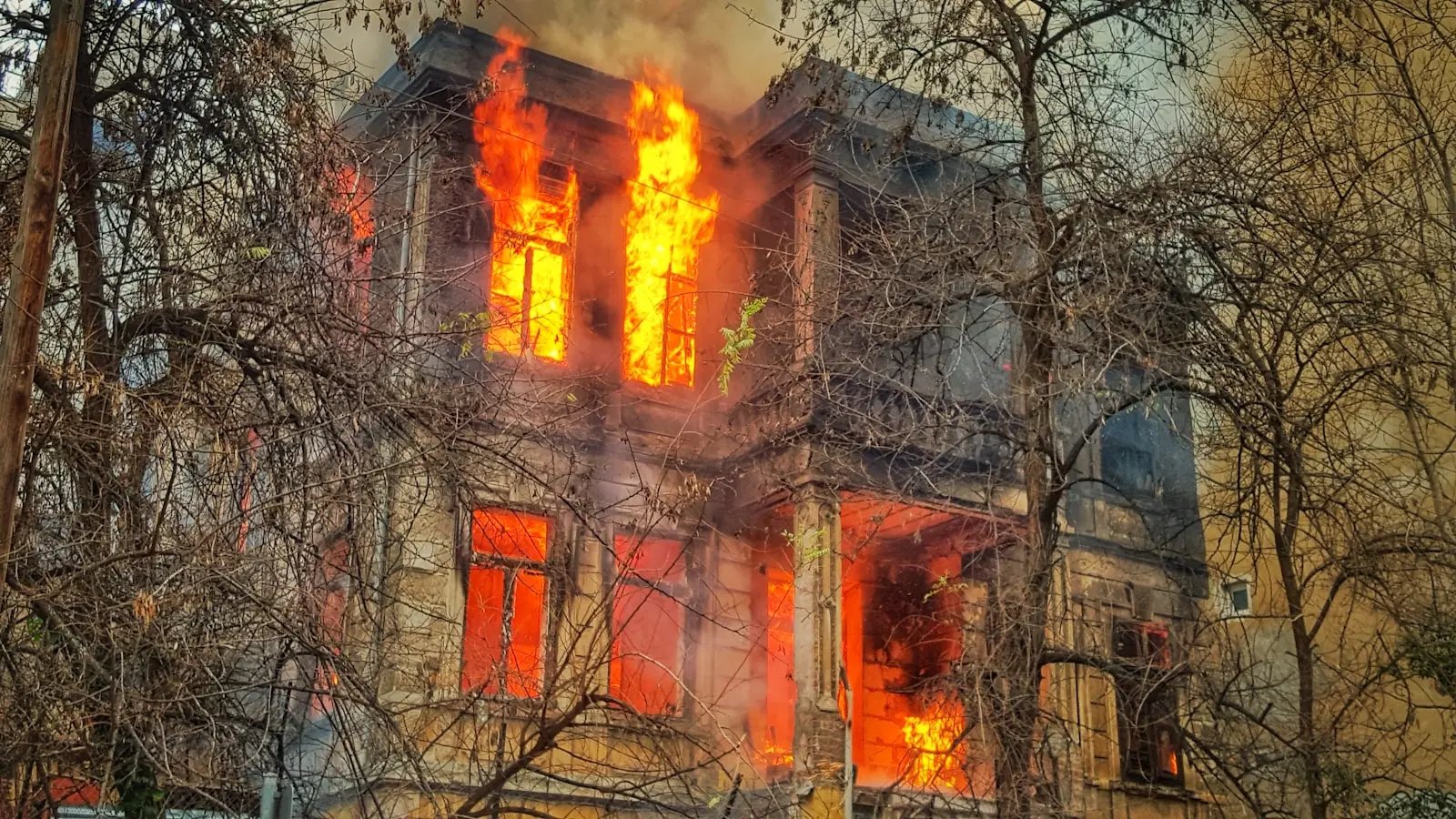
If rebuild costs exceed insurance after a fire, do not assume you must immediately pay the difference. A contractor’s estimate above your dwelling limit does not establish the final covered amount, and an early or verbal claim figure may not be the final settlement.
First determine whether you have a true insurance coverage shortfall or an unresolved disagreement about damaged work, pricing, depreciation, code upgrades, or policy benefits. Your declarations page, policy form, endorsements, claim documents, and applicable state law control the outcome.
Key Takeaways
- A contractor’s bid higher than the insurer’s estimate may reveal missing scope or changed conditions, not necessarily an exhausted policy limit.
- Review the full policy, endorsements, payment ledger, and withheld depreciation before treating the gap as final.
- Compare the contractor and insurer estimates line by line, then submit documented omissions or newly discovered damage promptly.
- Extended replacement cost, ordinance-or-law coverage, debris removal, and additional living expense are policy-dependent; do not assume they apply.
- Do not commit to a rebuilding contract or financing plan until you know the confirmed claim funds, lender requirements, and remaining shortfall.
In the first days after a loss, preserve the paper trail. Save photos, videos, receipts, contractor proposals, inspection reports, permit notices, and every communication with the insurer. Avoid nonessential demolition, signing a large construction contract, or accepting paperwork described as final until you understand the funding, cancellation, draw, and change-order terms.
Confirm Whether There Is a Real Coverage Shortfall
Separate four numbers that are often treated as one: the contractor’s estimate, the insurer’s estimate, the insurer’s approved replacement-cost value, and the dwelling coverage limit. They may eventually align, but they are not automatically the same.
A contractor may price the complete project based on current conditions, including work not confirmed until demolition or permitting. The insurer’s scope may use different quantities, local pricing, or assumptions about what is damaged and covered. The dwelling limit is usually the maximum available for the structure under ordinary coverage, subject to policy features that may add coverage.
Request the claim documents you can obtain, including the itemized estimate and scope, payment ledger, correspondence, inspection findings, and written explanation for any withheld depreciation. Review them beside:
- Your declarations page and all endorsements
- The complete policy form, conditions, exclusions, and loss-settlement provisions
- Contractor estimates and trade-specific bids
- Fire, smoke, water, structural, and engineering reports
- Photos, invoices, permits, code notices, and demolition findings
Several terms determine whether the apparent gap is real. The dwelling limit is not the home’s sale price, tax assessment, mortgage balance, or land value. Rebuilding cost reflects the cost to restore the insured structure under the policy terms, while market value also reflects location, land, and local demand.
Replacement cost generally means the cost to repair or replace covered property without subtracting depreciation, but it is commonly subject to the policy limit. Actual cash value, or ACV, generally reflects depreciation. Some claims begin with an ACV payment, with recoverable depreciation paid later if the homeowner repairs or replaces, provides required proof, and meets the policy deadline.
Also identify the deductible, sublimits, and exclusions. A missing payment may be caused by a deductible, excluded work, or depreciation that is not yet payable rather than a depleted dwelling limit.
Look specifically for extended replacement cost, increased dwelling coverage, or guaranteed replacement cost language. These features are not universal and may have conditions. An inflation guard may adjust coverage over time, but it may not fully match a sharp rise in local labor and material costs after a major disaster.
The key question is whether you have a scope dispute or a genuine limit problem. If covered work was omitted, undermeasured, or underpriced, the claim may still increase. If everyone agrees on the covered rebuilding cost and it remains above the dwelling limit plus applicable extensions, the remaining amount is a true home insurance claim gap.
Reconcile the Contractor Estimate and Insurer Scope
Do not compare estimates only by their totals. Ask both the contractor and insurer for detailed versions that can be matched room by room and trade by trade. A focused reconciliation is more productive than simply arguing that one number is too low.
Create a worksheet with columns for location, item, quantity, unit, labor rate, material allowance, and total. Compare framing, roofing, insulation, drywall, electrical, plumbing, HVAC, finishes, cleanup, and contractor overhead or profit where applicable. Mark each difference as a quantity issue, price issue, omission, or elective upgrade.
Pay close attention to damage that can be missed early: smoke migration, water intrusion from firefighting, charred framing, compromised wiring, damaged ductwork, and access costs needed to reach damaged areas. If demolition reveals changed conditions, photograph them, obtain a written explanation from the contractor or appropriate professional, and submit the evidence promptly as a supplement or request for reinspection.
Separate necessary restoration from upgrades you would choose anyway. A larger kitchen, different layout, or premium finishes may be worthwhile, but those choices can create costs beyond the insurer’s obligation. Keeping restoration and redesign costs separate makes both the claim review and financing decision clearer.
Code-related work deserves its own review. Rebuilding after fire can trigger current requirements for electrical systems, energy standards, structural connections, fire safety features, drainage, or other local rules. Permits, engineering, specialty testing, debris removal, and hazardous-material handling can also add meaningful costs.
Some policies include ordinance-or-law coverage or separate debris-removal provisions. Whether they apply, how they are triggered, and whether they have separate limits depends on the policy. Obtain local code requirements in writing where possible, then ask the insurer how each required item is being handled.
Before signing a construction contract, review cancellation terms, allowances, payment draws, price-escalation language, and change-order procedures. A contractor can help document the work, but a contract that commits you to an unfunded project can turn an insurance dispute into a cash-flow problem.
Check Every Coverage Bucket and Payment Condition
Ask the insurer targeted questions in writing. Clear written answers help you understand the claim and create a record if the explanation changes.
Ask whether the dwelling limit is actually exhausted or whether payments so far are only an initial ACV amount. Ask what recoverable depreciation remains, what you must do to receive it, and what deadlines apply. Request the policy language supporting any payment decision.
Then ask whether the declarations page lists extended replacement cost, increased dwelling coverage, or guaranteed replacement cost. If it does, ask how the provision applies, what conditions must be met, and whether the insurer believes any limitation affects your claim.
Also ask about ordinance-or-law coverage, debris removal, other structures, personal property, and trees or landscaping if relevant. Each can have its own limit or conditions. Code-required work is not automatically paid outside the dwelling limit; the policy determines whether separate coverage is available.
Additional living expense, often called ALE, can be important while rebuilding after fire. It may cover eligible increases in housing and daily living costs while the home is uninhabitable, subject to time and dollar limits. It is not simply flexible construction money. Personal-property coverage serves a different purpose from dwelling coverage as well, even when all household finances feel connected after a major loss.
Replacement-cost payment timing can be difficult because some policies require completed repairs or replacement before the full amount is payable. Documentation, deadlines, and state-specific rules can affect that process. Confirm the requirements before treating an ACV payment as the final settlement.
Escalate a Disputed Estimate in the Right Order
When the disagreement involves covered damage, pricing, or policy interpretation, escalate in stages and keep each request factual. Send a written estimate-reconciliation request that identifies disputed line items, supporting documents, and the specific resolution you seek.
If that does not resolve the issue, request a reinspection or supervisor review. Provide photographs, revised estimates, engineering findings when relevant, permit requirements, and code documentation from the local authority having jurisdiction. A well-organized package is usually more useful than unsupported invoices or a general demand for more money.
Ask whether the policy includes appraisal. Appraisal may help resolve an amount-of-loss dispute, but it may not decide every disagreement about coverage. Mediation may also be available through the insurer or state-supported programs in some locations.
You can contact your state insurance department for consumer-assistance or complaint procedures. That may help clarify process expectations, but it does not guarantee additional payment. Appraisal rules, deadlines, licensing requirements, and legal remedies vary by state.
Outside help may make sense when the gap is large, the damage is complex, or policy language is genuinely disputed. Before hiring a public adjuster, coverage professional, or attorney, consider qualifications, licensing, fees, conflicts of interest, and the amount of money likely to remain after fees. A percentage-based fee can materially reduce funds available for rebuilding.
Choose a Rebuild or Exit Plan If a Gap Remains
Once the claim has been reconciled, you can make a more reliable decision. One option is to rebuild substantially as before and fund a verified remaining shortfall with savings, a loan, or approved construction financing. Another is to reduce the scope or redesign, provided the plan meets code, zoning, permit, lender, and insurance requirements.
A phased rebuild may appear less expensive, but it only works if the structure can be safely permitted and the financing supports an incomplete project. In some situations, limited stabilization followed by a sale may be less risky than carrying a partially rebuilt home for years.
Buying or building elsewhere may be possible under some policies, but replacement-location settlement rules vary. Do not assume the insurer will pay the same way if you do not rebuild on the original lot. Get the insurer’s position in writing before signing a purchase contract or selling the damaged property.
If you have a mortgage, notify the servicer early and request its casualty-loss procedures. The lender may be named on insurance checks and may require inspections, documents, or staged draws before releasing funds. That process can affect contractor scheduling and temporary cash flow, so coordinate it before setting construction deadlines.
Compare financing only after calculating the full project: confirmed insurance benefits, lender-controlled proceeds, permits, contingency, temporary housing, debt payments, and the cost of delays. Disaster assistance may be available in certain circumstances, but eligibility can be limited and should not be treated as a substitute for confirmed insurance benefits. Tax treatment of insurance proceeds, casualty losses, and property basis depends on individual facts; discuss those questions with a qualified tax professional.
The practical rule is simple: do not select a rebuild plan until you have a reconciled claim estimate, confirmed policy benefits, lender instructions, permit and code costs, and a written plan for any remaining gap.
FAQs
Does replacement cost coverage pay more than my home insurance limit?
Not usually by itself. Standard replacement cost coverage commonly remains subject to the stated dwelling limit. Payment above that limit generally requires a feature such as extended replacement cost or guaranteed replacement cost, if your policy includes it and its conditions are met.
Can I ask the insurer for more money when my contractor estimate is higher?
Yes. You can request a review, reinspection, or supplemental consideration supported by a detailed estimate, photos, and documentation of changed conditions. But a higher contractor bid alone does not automatically create coverage beyond the policy terms or limits.
What happens to insurance money if I have a mortgage and do not rebuild?
The answer can depend on the mortgage documents, servicer procedures, loan balance, policy loss-settlement terms, and state law. Obtain written instructions from both the servicer and insurer before deciding whether to rebuild, sell, or relocate.