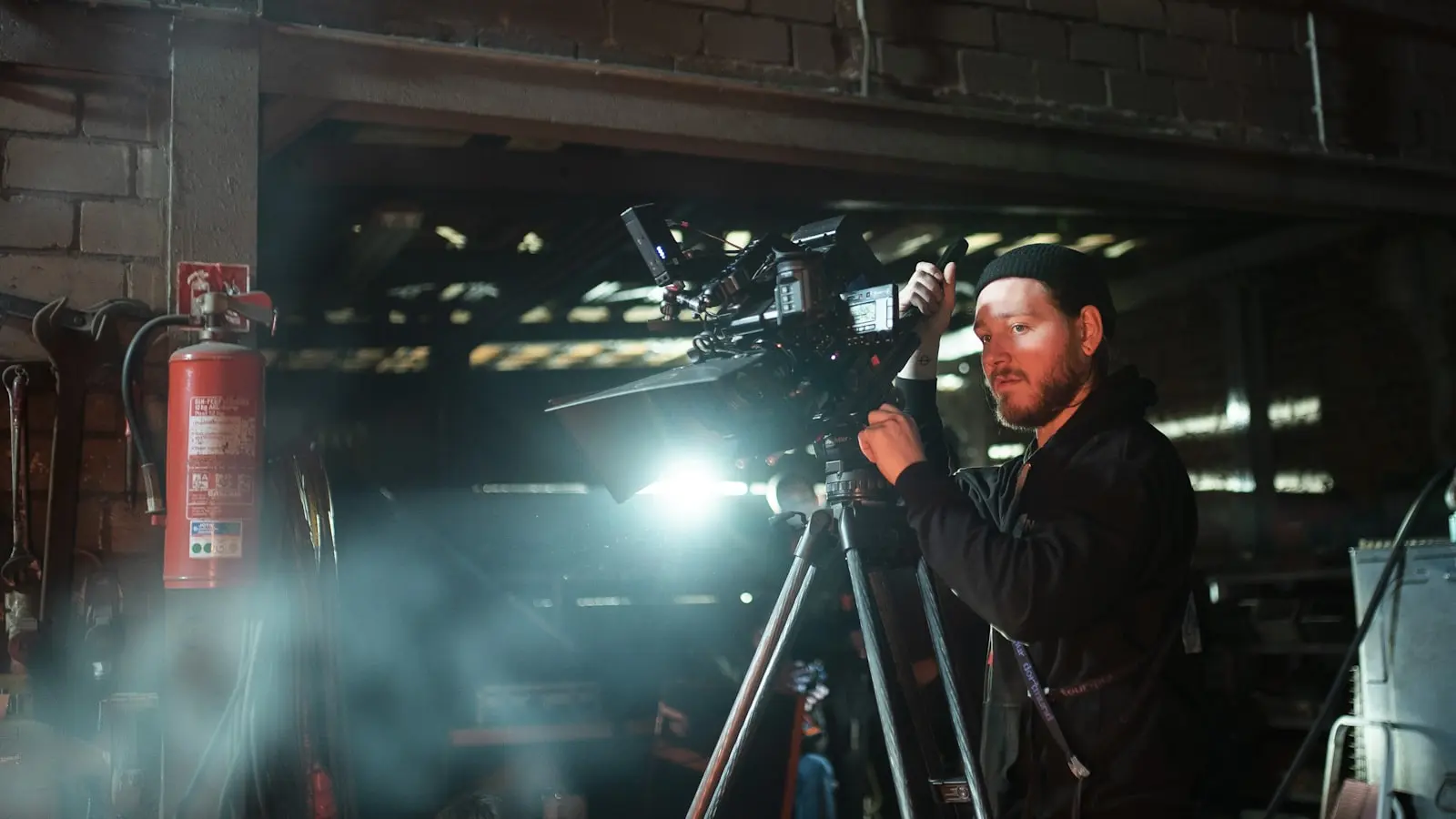
Overnight filming is a shift-work fatigue problem, not a test of stamina. To protect sleep during night shoots, plan a protected daytime sleep block, use caffeine and light deliberately rather than continuously, and arrange a backup ride home before fatigue makes driving unsafe.
A routine cannot make repeated night work risk-free or replace adequate sleep. It can reduce avoidable sleep loss and help performers, crew, event workers, and other overnight staff make safer decisions when schedules become demanding.
Key Takeaways
- Protect the longest realistic sleep block before and after an overnight call; daytime sleep needs active protection from light, noise, and household demands.
- Use naps, caffeine, meals, and bright light as short-term alertness tools—not substitutes for sleep.
- Treat the post-wrap commute as a safety decision. If you are struggling to stay awake, do not drive.
- Avoid relying on alcohol, sedating products, or supplements as automatic sleep solutions.
- Seek clinical advice when sleepiness, insomnia, unintentional dozing, or drowsy-driving near misses persist.
Why Sleep During Night Shoots Is Harder Than Simply Sleeping Later
Your circadian rhythm is the internal timing system that helps regulate sleepiness and alertness. For most people, daylight supports wakefulness and darkness supports sleep. An overnight call asks the body to work when it is naturally becoming sleepy, then sleep after sunrise when it is becoming more alert.
That creates two related problems. The first is not getting enough total sleep: a late wrap, commute, shower, food, and household duties can quickly narrow the available sleep window. The second is timing: even when enough time is available, daytime sleep may be lighter, shorter, or interrupted more easily than nighttime sleep.
Morning light, traffic, deliveries, household noise, warm rooms, messages, childcare, and appointments can all disrupt recovery. A changing production schedule adds pressure, especially when an overnight scene is followed by an early fitting, travel, or a rapid return to a daytime call.
Film set fatigue can build quietly. Waiting between setups may feel like rest, but it does not necessarily restore alertness when you must remain ready, emotionally focused, or physically prepared. Long hours, driving, hair and makeup calls, safety-sensitive tasks, and repeated switches between day and night schedules all add to the burden.
Build a Sleep Plan Before the First Overnight Call
Start with the actual schedule, not an ideal routine. Note the call time, likely wrap, commute, next obligation, and the longest realistic sleep window. For many people, the non-negotiable block is the main daytime sleep period after wrap.
Avoid deliberately staying awake all day before the first night call to “prepare.” Instead, create a genuine sleep opportunity the night before and, if practical, add a pre-shift nap. Arriving at a run of nights with less accumulated sleep loss may help, but it does not replace sleep during the run.
A pre-shift nap can be useful if it fits your day and leaves time to wake fully before travel or work. Some people feel temporarily groggy after a nap, so do not make the minutes immediately before call your nap window. Leave time to hydrate, eat something familiar, and become fully oriented.
Your daytime sleep setup matters because it reduces predictable interruptions. Useful options include:
- Blackout shades, an eye mask, or both to limit daylight.
- Earplugs, white noise, or a fan if they are comfortable and safe for you.
- Do-not-disturb settings for nonessential calls and notifications.
- A clear agreement with housemates about a protected sleep block.
- A cool, comfortable room and a plan to avoid errands immediately after wrap.
Not everyone has a quiet bedroom or full control of their household. With shared housing, childcare, or back-to-back calls, divided sleep may be more realistic: protect the longest block possible, then add a shorter nap before the next shift. If available, ask a trusted person for help with morning responsibilities or use a quiet off-site rest space.
A simple before-call checklist prevents last-minute decisions when you are already tired: identify the sleep window, decide whether a nap is possible, pack food and water, set a caffeine plan, check transport options, and commit in advance not to drive if dangerous sleepiness develops.
Stay Alert on Set Without Borrowing Too Much From Tomorrow’s Sleep
Alertness tools are temporary supports. They may help during part of a shift, but they do not erase serious sleep loss or make a fatigued person reliably safe for driving, stunts, equipment use, or other high-consequence work.
Bright set lighting and daylight can increase alertness when the body expects sleep. The trade-off is that unnecessary bright morning light after wrap may make it harder to fall asleep soon afterward. If you plan to sleep when you get home, reduce avoidable bright-light exposure on the way home where practical, without compromising safe travel.
Specialized light devices and strict light schedules are not universal solutions. Timing matters, and anyone considering regular light-based treatment for an ongoing sleep problem should discuss it with a qualified clinician.
Caffeine can help some people stay alert earlier in an overnight shift. The practical goal is to leave enough time before your intended sleep period for its effects to fade as much as possible. There is no universal cutoff because sensitivity, medications, anxiety, pregnancy, heart conditions, and sleep problems can all change what is appropriate.
Avoid stacking coffee, energy drinks, caffeine tablets, and pre-workout products without reading labels. Total intake can add up quickly, and feeling more awake is not the same as being fully restored. If caffeine repeatedly leaves you unable to sleep after wrap, move it earlier in the shift or reduce reliance on it rather than escalating the amount.
For food, aim for regular, portable meals and lighter snacks that you tolerate well. Overnight food options can be limited, and skipping meals may make fatigue feel worse for some people. A very large or heavy meal close to your intended sleep period may be uncomfortable, so a smaller familiar meal after wrap is often easier to manage.
If the workplace permits and a safe rest area is available, a planned short nap during a break may help some workers manage fatigue. Allow time to wake fully afterward. Sleep inertia—the groggy period after waking—matters before driving, performing stunts, climbing, operating equipment, or making safety-critical decisions.
Production-level planning matters too. Reasonable turnaround, scheduled breaks, transport options, quiet rest spaces, and a culture where people can report dangerous fatigue are practical safeguards. Individual discipline cannot fully compensate for a schedule that consistently prevents adequate rest.
Protect the Commute and Improve Sleep After Wrap
The trip home deserves its own decision point. After an overnight shoot, you may feel alert while packing up or talking with colleagues, then become much sleepier during a quiet drive. Being close to home does not make drowsy driving low risk.
Warning signs include struggling to keep your eyes open, repeated yawning, drifting within the lane, missing turns, difficulty recalling the last few minutes of driving, or needing constant stimulation to stay awake. If these occur, do not continue to drive.
Choose an alternative before the shift whenever possible: ride with an alert driver, use production transport, take public transit, call a taxi or rideshare, arrange pickup, stay nearby, or rest in a safe location until adequately alert. Tell the appropriate production contact if fatigue creates an immediate safety concern.
Open windows, loud music, cold air, and more caffeine may feel stimulating briefly, but they are not dependable fixes for dangerous drowsiness. A safe ride or a safe place to rest is the better decision.
Once home, keep the transition simple. Reduce bright light where practical, have a light familiar meal if you are hungry, silence devices, and go directly into the planned sleep routine. The aim is not a perfect wellness ritual; it is removing barriers between wrap and sleep.
Alcohol is not a reliable sleep strategy. It may make someone feel sleepy initially, but it can disrupt sleep later and add safety concerns when fatigue, medications, or next-day driving are involved. The same caution applies to sedating over-the-counter products, prescription sedatives, cannabis, and unselected supplements. They are not universal fixes for sleep after night shift work.
Reset After a Run of Night Shoots and Know When to Get Help
Transition days are difficult because everyday responsibilities often resume before the body has caught up. Family duties, travel, appointments, and daytime calls can pressure people to flip immediately back to a daytime schedule, which may deepen sleep loss rather than solve it.
The best reset depends on what comes next. If you worked only one or two nights and are returning to daytime life, a shorter recovery sleep after the final shift followed by a reasonable local bedtime later may help some people move back toward days. This is a general strategy, not a rule, and it may not be safe or realistic if you are already severely sleep deprived.
If another night call is imminent, protect daytime sleep rather than forcing a daytime reset. When shifts rotate repeatedly, consistency where possible is often more useful than repeatedly attempting abrupt changes. Keep sleep conditions, meals, wake times, and caffeine patterns as predictable as your schedule allows.
Melatonin requires individualized caution. Its timing, dose, formulation, interactions, and suitability vary. Speak with a clinician or pharmacist before using it routinely, particularly if you are pregnant, have a health condition, take medication, or need to drive or perform safety-sensitive work.
For one or two weeks, track sleep timing, estimated total sleep, naps, caffeine, near-misses while driving, and how alert you feel at work. This can reveal patterns that are hard to notice during a busy run of calls.
Seek clinical advice if excessive sleepiness persists despite adequate opportunities to sleep, insomnia continues after the schedule changes, or fatigue affects safety, mood, or daily functioning. Loud snoring, witnessed breathing pauses, unintentional dozing, and drowsy-driving near misses also warrant attention. These signs do not establish a diagnosis, but they are good reasons to discuss sleep with a qualified clinician.
FAQ: Can actors use melatonin to sleep after a night shift?
Melatonin may be appropriate for some people, but it is not a one-size-fits-all sleep aid. Timing and potential interactions matter, so regular use is best discussed with a clinician or pharmacist rather than treated as an automatic part of an actor sleep schedule.
FAQ: When should I stop caffeine before sleeping after a night shoot?
There is no universal hour-based cutoff. Caffeine can linger, and people process it differently. Use it earlier in the shift when possible, then adjust your personal cutoff based on whether it supports alertness at work without interfering with intended daytime sleep.
FAQ: What should I do if I am too tired to drive home after an overnight shoot?
Do not drive while dangerously sleepy. Use production transport, an alert driver, public transit, a taxi or rideshare, or a safe place to rest. If fatigue creates an immediate safety issue, notify the relevant production contact rather than trying to push through.