The Silent Cost of Immobility
A Reddit user spent weeks in a hospital bed after a shooting. The visible wounds healed. The invisible damage — rapid muscle atrophy — may take months to reverse. The user did not specify an exercise routine, but the sports and fitness community immediately rallied with protocols. Isometric contractions. Resistance bands. High-protein meals. Physical therapy consultations requested before the second day. This is not anecdotal chatter. It mirrors the standard of care in athletic rehabilitation units.
Muscle loss begins within 24 to 48 hours of complete inactivity. Analysts at the American College of Sports Medicine report that bed rest alone can reduce muscle cross-sectional area by 1.5% per day in the first week. For a patient hospitalized two to three weeks, that translates to a 15% to 20% drop in muscle mass — enough to turn a previously active individual into someone who struggles to stand without assistance. (Is that reversible? Yes, but only with structured load.)
Why the Body Eats Its Own Tissue
The mechanism is straightforward. When skeletal muscle is not loaded, protein synthesis drops while breakdown accelerates. The body prioritizes essential organs. Muscles become a reserve fuel source. This is not a flaw. It is a survival adaptation. But for the patient facing weeks on a hospital mattress, the adaptation becomes a liability.
Data from bed rest studies shows that the quadriceps and hamstrings — the primary leg muscles — suffer the fastest rate of loss. Upper body muscles, particularly those used for grip and arm movement, degrade more slowly. But even the pectorals and deltoids lose cross-sectional area if the arms remain inactive. The Reddit user, presumably limited by pain and medical restrictions, likely experienced lower-body atrophy first.
The Sports Medicine Playbook
The fitness community’s advice aligns with what sports medicine practitioners prescribe for injured athletes placed on prolonged bed rest. The key principles:
1. Isometric Exercises
Isometric contractions involve tensing a muscle without moving the joint. These require no equipment, no clearance from wound sites, and minimal cardiovascular demand. Analysts at the National Strength and Conditioning Association note that maximal voluntary isometric contractions performed for 5 to 10 seconds, repeated several times daily, can reduce the rate of atrophy by up to 30% compared to complete inactivity. The Reddit thread emphasized asking a nurse or PT for clearance before attempting. (Smart. A bullet wound complicates muscle tension around the torso.)
Specific exercises mentioned: glute squeezes, quad sets, abdominal bracing, and calf flexes. Each can be done lying flat. No need to sit up. No need to compromise wound dressings.
2. Resistance Bands
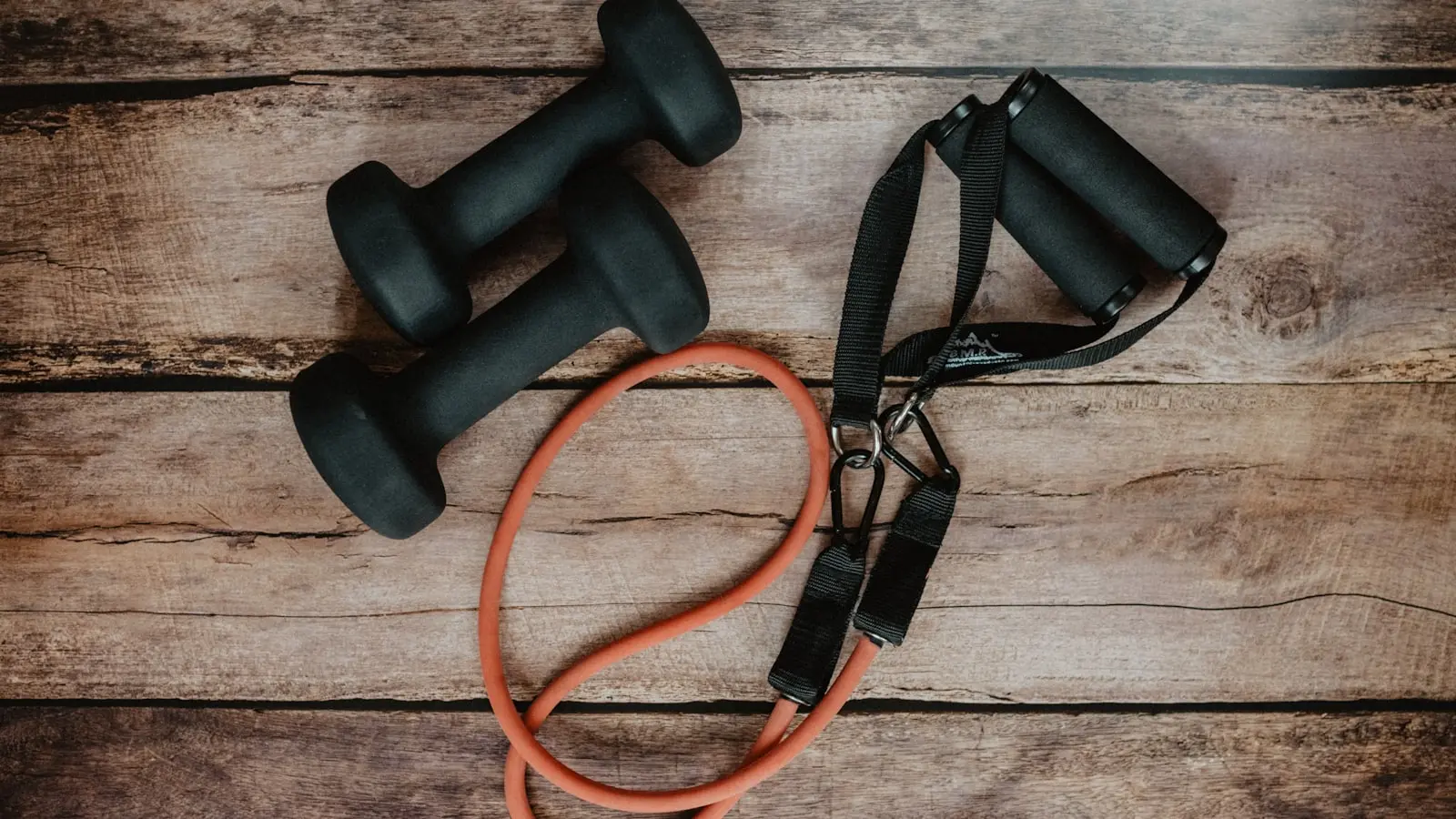
If medical staff approve, light resistance bands allow for partial range-of-motion work. Hospital gyms often have these available. Even 10 repetitions of band rows or bicep curls, done while seated, can maintain neuromuscular activation. A study in the Journal of Applied Physiology found that three sessions per week of low-load resistance training during two weeks of bed rest preserved leg lean mass better than no training. The effect size was modest — roughly 5% less loss — but in a context where every percentage point matters, it is actionable.
3. High-Protein Nutrition
Hospital food often fails to meet the protein requirements of a healing, immobilized body. The recommended intake for such patients is 1.5 to 2.0 grams per kilogram of body weight per day — roughly double the standard dietary allowance. Reddit users advised requesting protein shakes or supplements through the hospital nutritionist. Data from the International Society of Sports Nutrition indicates that adequate protein intake combined with even minimal muscle activation can blunt atrophy by 15% to 20%.
The Role of Early Physical Therapy
The most consistent advice from Reddit physical therapists: request a PT evaluation on day one, not day seven. Early intervention allows for passive range-of-motion sessions, bed-based exercises, and monitoring for pressure ulcers that complicate muscle recovery. A delay of even three days in initiating PT increases total rehabilitation time by an average of four days per day of delay, according to retrospective analyses from inpatient rehab facilities.
The Reddit user’s condition — weeks in bed after a shooting — suggests significant tissue damage and likely surgical intervention. That complicates loading. But passive movement of unaffected limbs, isometric glute squeezes, and ankle pumps are almost always permissible. (The body does not care about the drama. It only cares about the load.)
Context Beyond the Thread
This is not an isolated case. When athletes suffer season-ending injuries, they often follow a similar protocol before surgery even occurs. The difference is access. An elite athlete has a dedicated sports medicine team. The average hospitalized patient must advocate for themselves. The Reddit thread serves as a decentralized advisory network — imperfect, but better than silence.
The real question is not whether muscle can be preserved. It can, partially. The question is how much ground is lost before rehabilitation begins. Inactivity is a debt that accumulates daily. The cost of that debt is measured in months of limping, three-minute stair climbs, and the psychological toll of feeling weaker than before the injury.
Recovery Trajectory
For every week of bed rest, analysts estimate roughly two to three weeks of active rehabilitation to regain full function. That ratio worsens with age and pre-existing health conditions. A 30-year-old active individual who loses 15% of leg muscle over two weeks may require six to eight weeks of progressive resistance training to return to baseline. A 50-year-old with the same loss may need twelve weeks or more.
The user’s post did not specify age or fitness level. But the community’s advice — start now, fight every day — applies regardless. The body records every hour of stillness. It also records every glute squeeze, every band pull, every protein shake consumed.
Comparing Protocols: Athlete vs. General Patient
| Aspect | Elite Athlete Protocol | General Hospital Standard |
|---|---|---|
| PT start | Day 0 – pre-op | Day 3–7 (often delayed) |
| Equipment | Full resistance bands, electrical stimulation | Bands only if patient asks |
| Nutrition | Custom meal plan with supplements | Standard hospital tray |
| Monitoring | Daily muscle ultrasound | Visual inspection only |
The gap is not about medical impossibility. It is about resource allocation and patient advocacy. The Reddit user, by posting the story, essentially bypassed the system and self-organized a sports-medicine-informed plan.
Final Verdict
Can you prevent muscle atrophy during weeks of hospitalization? Partially. The data supports isometrics, resistance work (with clearance), and high protein intake. Early PT consultation is non-negotiable. The Reddit thread distilled this into actionable steps. The science confirms the method.
But prevention is not preservation. Some loss is inevitable. The goal is to minimize the hole from which the body must climb. For the Reddit user recovering from a gunshot wound, that hole will be deep. The right protocols can make the climb shorter. (The body listens to physics. Give it force. Give it fuel. Give it time.)
Each day of stillness compounds. Each isometric contraction is an investment in future mobility. The data says it works. The community says it is worth asking. The patient’s biology will respond to the load — or the lack of it. The choice, however limited, remains.